
High-stakes retail competition no longer hinges merely on the breadth of a product catalog but rather on the surgical precision with which every single item is managed and replenished across thousands of physical shelves. The transition from labor-intensive manual inventory tracking to highly sophisticated, data-integrated environments represents the next frontier of the industry. Within this landscape, Walmart Data Ventures has emerged as a pivotal force, actively bridging the profound gap between high-level corporate insights and the day-to-day realities of store operations.
The significance of first-party data platforms cannot be overstated, as they provide the essential infrastructure needed to streamline the relationship between global suppliers and local brick-and-mortar storefronts. By utilizing real-time metrics, retailers can now ensure that every square inch of shelf space is utilized effectively. Consequently, technological influences are fundamentally redefining the scope of field representative responsibilities, shifting them from simple shelf-stockers to strategic partners who leverage digital tools to drive localized growth.
Transforming the Modern Retail Ecosystem Through Data-Driven Execution
Modern retail requires a fluid connection between digital visibility and physical inventory. This evolution is catalyzed by the demand for a unified source of truth where data dictates action. Major retailers are no longer just sellers; they have become data curators who facilitate a more transparent exchange of information with their supply chain partners. This shift ensures that the physical retail location remains a relevant and efficient hub in an increasingly digital world.
Analyzing the Shift Toward Automated Field Operations and Market Performance
The Rise of Predictive Logic and Omnichannel Synchronization in Field Management
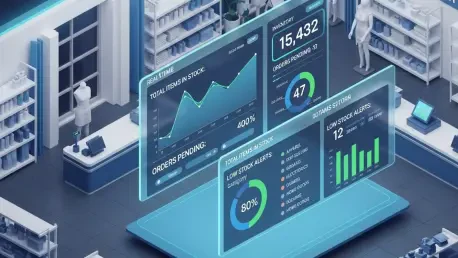
The journey toward Scintilla In-Store began with the strategic acquisition of Volt, signaling a clear move toward a more sophisticated interface. This transition reflects how emerging consumer behaviors, characterized by high expectations for immediate availability, have forced a pivot toward real-time item and modular data synchronization. Moving away from static, manual checklists, the new system employs AI-assisted task prioritization to guide field representatives through the most impactful store activities.
By aligning on-shelf availability with digital inventory records, the platform helps eliminate the frustrating discrepancies that often plague omnichannel retail. Strategies for ensuring consistent product availability are now rooted in predictive analytics, allowing reps to address potential out-of-stock issues before they occur. This synchronization is vital for maintaining customer trust in an environment where the boundary between online browsing and in-store purchasing has almost entirely disappeared.
Evaluating Walmart’s Fiscal Resilience and the Trillion-Dollar Market Milestone
Recent performance indicators highlight the immense success of these digital investments, with quarterly revenue reaching a staggering $190.65 billion. This fiscal strength has propelled the organization to become the first retailer to exceed a $1 trillion market capitalization, a milestone that underscores the market confidence in its data-centric future. While high-level financial targets remain ambitious, the focus has clearly shifted toward long-term strategic spending on proprietary infrastructure to insulate the business against volatility.
Balancing the pressures of quarterly profit margins with the necessity of digital transformation is a delicate act, yet the results suggest that heavy investments in data are paying off. Forward-looking growth projections indicate that the ability to monetize and utilize internal data will be the primary differentiator in the coming years. This resilience provides the necessary capital to continue refining tools like Scintilla In-Store, ensuring that operational efficiency remains at the core of the broader business model.
Navigating the Technical and Operational Hurdles of Real-Time Inventory Management
Despite the clear benefits, integrating legacy systems with modern, real-time performance metrics presents a complex technical challenge. There is often a significant disconnect between the sophisticated data insights generated at the corporate level and the actual physical execution occurring at the shelf level. Overcoming this requires not only better software but also a fundamental change in how information is communicated across the supply chain to prevent data silos from forming.
Maintaining high levels of data accuracy across thousands of diverse locations is essential for reducing out-of-stock occurrences and improving the shopper experience. For field representatives, the transition to data-heavy workflows involves a steep learning curve that requires ongoing support and training. Success in this area depends on the ability of the interface to provide actionable, easy-to-understand tasks that translate complex algorithms into practical store-level improvements.
The Regulatory Framework and Data Security Standards in Retail Analytics
Navigating the complex legal landscape regarding the sharing of first-party retail data is a top priority for modern retail leaders. Because supplier representatives require access to proprietary modular information to be effective, maintaining strict compliance with industry data privacy standards is paramount. Secure, centralized interfaces play a crucial role in this process by preventing sensitive data leaks while still facilitating the collaborative execution necessary for a thriving retail partnership.
Evolving retail regulations are also increasing the transparency and reporting requirements for supplier-merchant interactions. This means that data-sharing platforms must be designed with built-in audit trails and security protocols to meet tightening global standards. By fostering a secure environment for information exchange, retailers can build deeper trust with their suppliers, leading to more effective joint business planning and more accurate market forecasting.
The Road Ahead: AI Prioritization and the Future of Autonomous Retail Execution
The next phase of retail innovation will likely involve even deeper AI integration, moving toward a model of autonomous task assignment where the system itself identifies and corrects errors. Potential disruptors in this space include hyper-localized inventory logic and predictive shelf replenishment systems that adapt to real-time foot traffic and local events. Such advancements will allow stores to operate with a degree of agility that was previously impossible.
Global economic conditions and labor trends are further accelerating the move toward automated retail support. As labor costs rise and the availability of skilled field representatives fluctuates, the reliance on data-driven guidance becomes even more critical. The long-term vision is a frictionless omnichannel experience where unified data streams allow for a perfectly synchronized shopping journey, regardless of whether the customer is at home or in a physical aisle.
Strategic Implications for Suppliers and the Path to Sustained Retail Dominance
The deployment of Scintilla In-Store signaled a major shift in the retail execution landscape, forcing suppliers to reconsider their approach to field management. For those looking to maintain a competitive advantage, the path forward involved a deep commitment to leveraging actionable insights rather than relying on historical trends or gut feelings. Operational excellence emerged as the primary driver for growth, as those who mastered the new digital tools were able to ensure their products were always where the customers expected them to be.
Suppliers found that embracing these real-time data streams allowed for a more collaborative and effective relationship with merchants. The focus moved toward sustained retail dominance through shared goals and transparent performance metrics. Ultimately, the successful integration of Scintilla In-Store demonstrated that the future of retail belonged to those who could turn massive amounts of data into precise, shelf-level action, setting a new standard for the industry at large.