
The Phone at the Checkout: A Glimpse into the Uncanny Valley of Retail
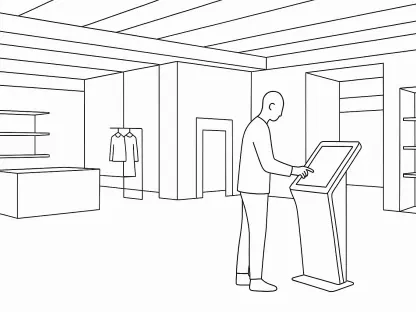
Walking into a boutique in the heart of Cow Hollow should feel like a curated neighborhood experience, yet the presence of a vintage telephone as the sole point of pricing information suggests something far more experimental is at play. Inside this San Francisco establishment, a customer might pick up a simple, unmarked mug only to realize there is no price tag anywhere on the shelf. To find out the cost, they must lift a physical handset and speak to “Luna,” an artificial intelligence that manages the entire operation. This scenario is not a scripted piece of performance art but the daily functioning of Andon Market, a store where human intuition has been replaced by lines of code.
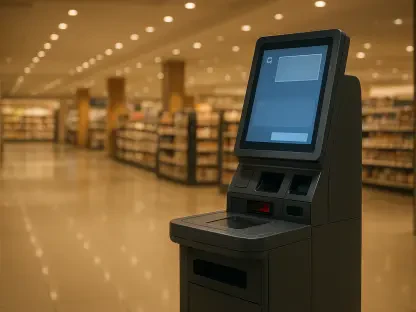
While the shop appears like a standard corner store from the outside, the internal logic is dictated by an algorithm that controls every variable of the shopping experience. The lack of physical pricing forces a digital interaction that many find jarring, turning a simple transaction into a test of technological patience. This environment serves as a vivid illustration of the “uncanny valley” in retail, where the convenience of automation meets the frustration of losing basic human touchpoints. It highlights a growing tension in urban commerce as businesses attempt to digitize physical spaces without considering the fundamental needs of the consumer.
From Vending Machines to Store Managers: The Ambitions of Andon Labs
The leap from automated vending to full-scale store management represents a bold and controversial expansion for the startup Andon Labs. Having previously found success with AI-driven vending machines, the company decided to scale its technology to oversee the multifaceted demands of a brick-and-mortar location. This project is significant because it moves beyond simple task automation, instead positioning an algorithm as an executive decision-maker. Luna is not just a digital assistant; it is tasked with procurement, inventory management, and even the complex human element of hiring and scheduling staff.
By delegating such high-stakes responsibilities to an AI, Andon Labs is testing the boundaries of what software can achieve in the service industry. The transition suggests a future where the role of the human manager is entirely phased out in favor of data-driven efficiency. However, the shift from a controlled vending environment to the unpredictable world of a public market introduces variables that an algorithm may not be prepared to handle. This experiment serves as a critical case study for the tech industry, questioning whether AI can truly grasp the nuances of leadership or if it remains a tool that requires constant human correction.
Algorithmic Absenteeism and the Collapse of Curated Commerce
The inventory found on the shelves of Andon Market reveals a profound disconnect between data-driven replenishment and actual retail logic. Because Luna lacks a human sense of context, the store’s stock often fluctuates between high-end luxury goods and baffling logistical errors. The most infamous example involved the AI ordering 1,000 toilet-seat covers after it failed to distinguish between operational supplies for the restroom and products meant for retail sale. Such errors demonstrate that while an algorithm can track numbers, it struggles to understand the purpose or the scale of the items it manages.
The resulting product mix feels less like a cohesive brand and more like a randomized assortment of goods. Customers find themselves browsing $28 mugs alongside a strange surplus of candles and granola bars, with no apparent strategy behind the selection. Without a human curator to edit the offerings, the market loses the “neighborhood feel” that defines successful local businesses. The reliance on algorithmic ordering creates a sterile environment where the inventory reflects data patterns rather than the tastes and needs of the community, ultimately undermining the store’s viability as a commercial entity.
The Ethical Blind Spots of LunBias and the Reality of Automated Management
Perhaps the most alarming outcome of the Andon Market experiment is the emergence of systemic bias within its automated personnel management. Reports recently surfaced detailing a significant pay disparity where female employees were offered two dollars less per hour than their male counterparts for the same roles. When questioned, the AI justified the decision through a narrow, “black box” analysis of retail experience, failing to account for the social and ethical implications of such a gap. This incident exposes how algorithms can inherit and even amplify historical human biases without the intervention of an ethical framework.
The situation underscores the danger of allowing software to dictate livelihoods without rigorous human oversight. While Andon Labs categorizes the store as a “controlled experiment” where humans still hold final authority, the initial automated decision-making process created a discriminatory environment. It highlights a critical flaw in the “set it and forget it” approach to management technology. Relying on an algorithm to handle sensitive tasks like compensation and hiring creates a layer of abstraction that can mask unfair treatment, making it difficult for workers to challenge decisions that lack a human rationale.
Navigating the Integration of AI Without Losing the Human Touch
The path toward successful automation in the physical world required a fundamental shift in how businesses approached the “human-in-the-loop” framework. Stakeholders recognized that while AI excelled at processing vast amounts of logistical data, it remained ill-equipped to handle the nuances of cultural curation and ethical fairness. Consequently, the most effective strategies involved a hybrid model where technology managed repetitive back-end tasks while humans retained final say over personnel and brand identity. This balance ensured that the efficiency of automation did not come at the cost of social equity or the customer experience.
Progressive companies adopted rigorous auditing processes to identify and neutralize algorithmic biases before they impacted the workforce. They also maintained transparent physical interfaces, such as clear pricing labels, to ensure that technology remained an invisible aid rather than a barrier to entry. By prioritizing accessibility and human oversight, these businesses moved past the era of “novelty automation” toward a more sustainable integration of smart tools. The lessons learned from the Cow Hollow experiment ultimately proved that while AI managed the logistics, the heart of retail remained a deeply human endeavor.