
The global demand for affordable luxury items requires a logistical precision that traditional retail frameworks simply can no longer sustain in an increasingly digitized marketplace. Current jewelry logistics depend heavily on high-velocity supply chains that bridge the gap between manufacturing hubs in Thailand and major consumer markets across North America and Europe. Companies must now prioritize agility, as the modern retail landscape shifts toward a model where the speed of distribution dictates the strength of a brand’s competitive advantage.
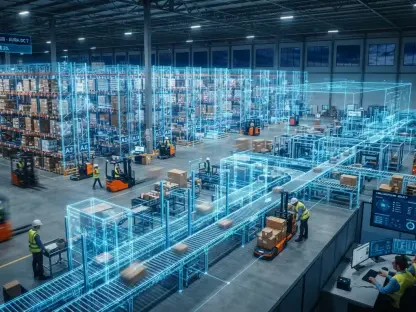
Digital integration replaces legacy systems to handle complex omnichannel needs effectively. Moving toward automated warehouse management systems allows retailers to synchronize production with real-time consumer demand on a global scale. This technological influence, including the migration to cloud-based ERP systems, is redefining how jewelry brands manage their inventory and shipping across diverse international borders.
Catalysts for Change: Digital Integration and Market Projections
The Shift Toward Omnichannel Agility and Cloud-Based Integration
Transitioning from legacy systems to cloud-native environments like SAP S/4HANA enables the flexibility needed to meet modern retail demands. Emerging consumer behaviors drive the need for localized e-commerce fulfillment centers that can process orders closer to the final destination. Integrating Warehouse Management Systems (WMS) with Transportation Management Systems (TMS) creates a unified technology stack that reduces shipping friction.
Localized distribution centers in Canada and Maryland represent a significant expansion of capacity. This move allows brands to fulfill orders regionally, bypassing international delays and improving service speed for digital shoppers. By establishing these localized hubs, jewelry retailers can better manage the specific needs of regional markets while maintaining a global operational standard.
Evaluating Real-Time Visibility and Growth Performance Indicators
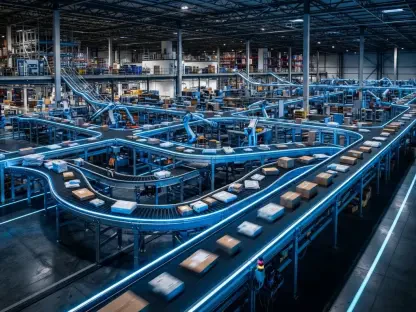
Market data shows that reducing inventory idle time has a direct and positive impact on corporate bottom lines. Real-time visibility allows for stabilized operations during peak seasonal surges when order volumes typically spike. Throughput efficiency has become a core performance indicator for global retailers looking to maintain a steady flow of product from factories to storefronts.
Forward-looking growth projections emphasize the expansion of distribution footprints in key Western markets. Increased capacity in the United States and Canada ensures that the supply chain can handle future volume growth without sacrificing speed. These performance indicators link technological adoption directly to the brand’s ability to capture market share in a crowded retail environment.
Navigating the Complexity of Legacy Systems and High-Volume Peaks
Outdated infrastructure poses significant operational risks, especially during periods of high consumer demand. Phased technological rollouts minimize disruption while replacing legacy tools with more agile solutions. Tracking products internationally from manufacturing sites in Thailand to the final consumer requires overcoming traditional data silos.
Configurable dashboards and role-based reporting provide essential insights for logistics managers. These digital tools allow for the identification of bottlenecks in real time, ensuring a smooth flow of goods through global distribution centers. Leveraging advanced reporting helps overcome the operational hurdles associated with high-volume product movements across different continents.
Governance and Security in a Modernized Data Ecosystem
Maintaining compliance with international shipping regulations and trade standards is a vital part of any digital overhaul. Integrated data security measures protect sensitive supply chain information from potential vulnerabilities. Standardized digital processes ensure that operational consistency is maintained across owned stores, franchises, and various digital partners.
Supply chain transparency also supports broader corporate sustainability goals by providing verifiable data for environmental reporting. Modern systems allow for better tracking of the carbon footprint associated with global logistics. This integration ensures that regulatory reporting is accurate and that the brand remains compliant with evolving international standards.
The Future of Jewelry Logistics: Resilience and Sustainability
The Phoenix growth plan positions the brand to adapt to future market disruptors through a more elastic digital ecosystem. Logistics innovation intersects with environmental sustainability by optimizing inventory levels and reducing waste. Artificial intelligence and machine learning will eventually refine inventory management even further, allowing for predictive logistics.
Expanding global reach requires a supply chain that is both responsive and sustainable. A more elastic retail ecosystem allows for rapid scaling during periods of growth while maintaining a lean operational profile during market contractions. This strategic focus on resilience ensures that the brand can navigate the complexities of a volatile global economy.
Building a Resilient Digital Foundation for Long-Term Scalability
The modernization of WMS and TMS solutions provided the foundation for enhanced global operational efficiency. Digital transformation became a necessity for scaling effectively in a volatile economy where consumer expectations for speed continued to rise. Strategic upgrades to the supply chain infrastructure drove omnichannel success and significantly bolstered investor confidence.
Long-term scalability was achieved by prioritizing a responsive digital retail ecosystem over rigid, traditional logistics models. The transition toward integrated, cloud-based solutions allowed for greater transparency and more effective decision-making across all levels of the global organization. These efforts ensured that the supply chain remained a driver of growth rather than a bottleneck for international expansion.