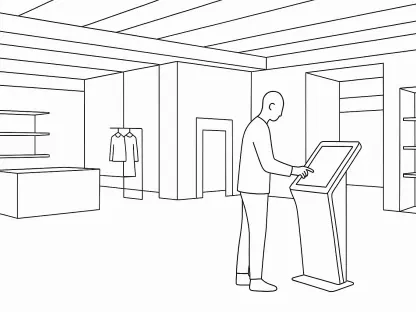

The rapid integration of generative artificial intelligence into the digital marketplace has transformed the fundamental way American households research, evaluate, and purchase products in the modern economy. Recent market data indicates that a vast majority of shoppers—specifically approximately seven out of every ten people in the United States—have interacted with AI-driven tools during their consumer journey throughout the current year of 2026. This shift marks a significant departure from traditional search-engine reliance, as users increasingly turn to large language models and specialized retail bots to curate personalized recommendations. Retailers have responded by embedding these technologies directly into their mobile applications and web storefronts to reduce friction and improve conversion rates. For many, the appeal lies in the ability of these systems to synthesize vast amounts of product reviews and technical specifications into concise, actionable summaries. Consequently, the boundary between automated assistance and human decision-making continues to blur within the retail sector.
Conversational Commerce: The Evolution of Customer Interaction
Consumers are no longer satisfied with static filters that categorize items by price or color; instead, they demand nuanced interactions that mimic the experience of speaking with an expert in-store associate. Modern generative platforms allow shoppers to input complex prompts, such as finding a durable outdoor dining set that fits a specific aesthetic and climate resilience, resulting in highly curated selections that traditional databases often fail to provide. This shift toward conversational commerce has forced legacy retailers to overhaul their back-end infrastructure to support natural language processing at scale. By leveraging real-time inventory data alongside customer preference history, these AI systems provide a level of service that was previously reserved for luxury boutiques. Furthermore, the efficiency gains for the consumer are substantial, as the time spent navigating redundant landing pages has been significantly reduced. This technological evolution ensures that the shopping experience remains fluid and highly responsive to individual needs.
Beyond text-based interactions, the rise of visual artificial intelligence has redefined the concept of “trying before buying” in sectors ranging from fashion to home improvement. Augmented reality overlays powered by sophisticated machine learning algorithms allow users to visualize how furniture looks in their actual living rooms or how cosmetics appear on their specific skin tones with remarkable accuracy. Major apparel brands have seen a notable decrease in return rates because these visual tools help set realistic expectations before the transaction is even finalized. The technology has matured to the point where it can account for lighting conditions and textural details, providing a high-fidelity preview that bridges the gap between digital browsing and physical reality. As these tools become more accessible via standard smartphone cameras, the barrier to entry for smaller retailers has also diminished, fostering a more competitive and innovative marketplace. This widespread adoption of visual AI is a primary driver behind the high engagement rates observed across the American demographic.
The transition toward an AI-centric retail environment required businesses to prioritize technical agility and consumer trust over traditional marketing tropes. Organizations that invested in robust data security and user-centric design found themselves at the forefront of this digital revolution, while those who delayed adoption struggled to remain relevant. Looking ahead, the focus shifted toward creating more seamless cross-platform experiences where the AI assistant traveled with the user across different devices and retailers. Industry leaders recommended that brands invest in proprietary data sets to train more specialized models rather than relying solely on generic third-party platforms. It became clear that the successful retailers were those who viewed AI not as a replacement for human connection, but as a tool to enhance the value of every interaction. By fostering a culture of continuous experimentation, the retail sector established a new standard for modern commerce. These strategic shifts ensured that the benefits of automation reached every level of the journey.