
As the retail landscape undergoes its most significant identification shift in decades, many organizations are scrambling to meet the requirements of Sunrise 2027. This global initiative by GS1 isn’t just about printing new labels; it’s a fundamental reimagining of how product information moves from the manufacturer to the checkout counter and beyond. We are joined today by Zainab Hussain, a seasoned e-commerce strategist, to discuss why the real challenge of 2D barcodes lies hidden beneath the surface of the packaging. We will explore the necessity of data integrity, the looming pressure of international regulations like the EU’s Digital Product Passport, and the practical hurdles brands face when their internal systems fail to communicate.
Transitioning to 2D barcodes by 2027 is often viewed primarily as a packaging update, but why do you suggest it is actually a rigorous test of a brand’s data readiness?
Many brands are still falling into the trap of treating the 2027 deadline as a simple graphic design or printing project. In reality, printing a QR code on a box is the easy part; the true complexity lies in the vast ecosystem of data that must sit behind that code to make it functional. You have to ask yourself if you can actually trust the information being delivered and who exactly is responsible for keeping that digital record current as the product evolves. If a consumer scans a code and finds a discrepancy between the physical product and the digital screen, that brand trust evaporates instantly. This initiative effectively makes every hidden data gap scannable and visible to the public, turning what used to be a back-end logistics issue into a front-facing customer experience crisis.
With different retailers moving at various speeds, how should companies manage the logistical pressure of meeting specific partner requirements without falling behind?
It is a mistake to wait for a single “starting gun” to fire at the end of 2027 because the transition is already happening in fragmented waves across the industry. Different retail partners are going to demand different sets of attributes from their suppliers, and some will be ready to scan these codes much sooner than others. I always advise brands to work backward: identify which of your major retail partners are moving first and precisely what data they are asking for before you touch your packaging. If an influential retailer is ready to flip the switch and your product data isn’t validated, you are looking at delayed launches and lost shelf time that can cost millions in missed revenue. You don’t want to be the reason a retailer’s high-tech checkout system fails because your data was stuck in a legacy spreadsheet.
When a product undergoes a change, such as a reformulation that adds an allergen, what are the specific technical risks if the digital link management isn’t handled correctly?
This is where the situation gets incredibly high-stakes because a barcode that “works” technically can still give a shopper a dangerously wrong answer. When you add an allergen, the product typically receives a new Global Trade Item Number, but you have to remember that old stock is still sitting on pantry shelves and in backrooms with codes that still point to a digital destination. If your internal systems simply overwrite the old record or fail to distinguish between the two versions, a consumer might scan a “safe” link for a “new” product they are holding, or vice-versa. Fixing these inconsistencies manually is a recipe for disaster and is prohibitively expensive; you need an automated, governed system to ensure every unique code resolves to the exact right version of the truth. It’s a matter of consumer safety as much as it is a matter of supply chain efficiency.
What practical steps should a brand take during this transition year to identify internal bottlenecks before they become public-facing errors?
Rather than trying to boil the ocean and solve every single 2D barcode use case at once, brands should spend the next several months running small-scale, end-to-end pilots. Pick one specific category or even a small subset of SKUs and push them through the entire process from the data entry stage to a live retail scan. What we often find is that the real bottleneck isn’t the technology itself, but something far less glamorous, like two internal systems that cannot agree on a product’s weight or dimensions. In fact, package dimensions and weight are the attributes that break most frequently in our trading networks. You want to find those boring, technical friction points now, in a controlled test, rather than having a retailer reject a shipment because your digital data doesn’t match the physical pallet.
How do 2D barcodes create a multi-layered opportunity for different stakeholders, from the casual shopper to the waste management facility?
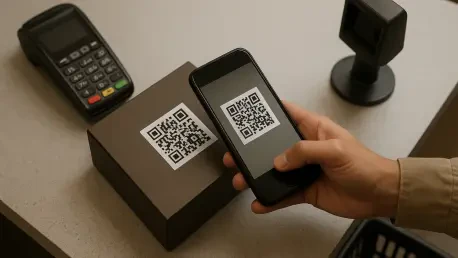
The beauty of a 2D barcode, particularly under the GS1 Digital Link standard, is that it serves as a single access point that provides different information to different people. A shopper in the grocery aisle might see usage instructions or a video of the product in action, while a store associate scanning the same code at the register can see lot numbers and expiration dates to prevent a recalled item from being sold. Simultaneously, a recycler can use that same code to see the material composition of the packaging to ensure it is sorted correctly for end-of-life processing. Brands have the power to change these digital destinations without ever having to redesign the physical box. It turns the packaging into a living, breathing communication tool that evolves even after the product has left the factory floor.
With the European Union’s Digital Product Passport expanding to various categories starting in February 2027, how can brands align these regulations with their existing barcode strategies?
The regulatory clock is ticking loudly, starting with batteries next year and quickly expanding into textiles and steel, which means a siloed approach to data is no longer sustainable. If a brand treats the Digital Product Passport, Sunrise 2027, and general packaging labels as three separate projects, they will inevitably end up with three conflicting versions of the truth. You need one standardized base code that resolves to a single, governed product record that can satisfy both a marketing team’s needs and a regulator’s audit. These passports aren’t just flashy marketing pages; the data must be auditable and stay tied to that product for its entire lifecycle. Using a robust link management system ensures that as regulations change, your digital record stays compliant without requiring a massive overhaul of your physical supply chain.
What is your forecast for the role of 2D barcodes in the retail industry?
I believe that within the next few years, we will see the traditional 1D barcode disappear entirely as the 2D barcode becomes the “connective tissue” of the entire global economy. We are moving toward a world where a product’s physical presence is inseparable from its digital twin, allowing for near-perfect transparency from the point of manufacture to the point of recycling. This shift will drastically reduce food waste by allowing retailers to automatically mark down items nearing their expiration dates, and it will empower consumers to make purchasing decisions based on real-time allergen and sustainability data. Ultimately, the 2D barcode will transition from a simple “beep” at the register to a comprehensive portal that manages the safety, story, and sustainability of every item we touch.