
A modular design philosophy allows MUSE robots to be repurposed for varied tasks including floor cleaning, customer guidance, and in-store security. This versatility marks a significant departure from the early days of retail automation, where machines were often viewed as cumbersome experiments that might alienate shoppers or cause congestion in narrow aisles. In the current landscape of 2026, the retail sector has definitively crossed the threshold of the uncanny valley, moving beyond initial anxieties regarding physical disruption or human replacement. Today, these autonomous systems are recognized as operational imperatives, serving as the primary eyes and ears of a modern grocery store. The conversation has matured from marveling at the novelty of a moving machine to dissecting the immense value of the high-fidelity data it generates. As grocers face mounting pressure to optimize every square inch of the shelf, the focus has shifted toward the actionable intelligence provided by these robots. This evolution represents a fundamental change in how retailers manage their inventory and customer experiences, proving that the era of robotics is no longer a distant vision but an active standard of high-performance retail operations.
Scaling Operations and Actionable Insights
Establishing Global Reliability Through Massive Fleet Rollouts
The maturation of the retail robotics industry is best exemplified by the transition from small-scale pilots to massive, global rollouts that encompass thousands of store locations. Leading the charge, companies like Simbe Robotics have successfully deployed their Tally units across a fleet of 3,000 robots, providing a definitive case study for large-scale operational success. This expansion demonstrates that autonomous shelf-scanning is no longer a peripheral technology but a fundamental component of the modern supply chain. By partnering with major Tier 1 retailers, these firms have shown that robotics can operate reliably in high-traffic environments across multiple countries simultaneously. The sheer scale of these deployments effectively silences early doubts regarding the durability and consistency of autonomous hardware. Today, the presence of these machines in the aisles is a signal of a retailer’s commitment to precision and technological leadership in an increasingly competitive market.
Validating the Stability of Autonomous Systems in Tier 1 Retail
Beyond the impressive hardware numbers, the move toward global scale reflects a deeper trust in the reliability of robotic systems to navigate the complexities of diverse retail layouts. As these machines traverse thousands of miles of grocery aisles, they collect a level of granular detail that was previously impossible to obtain through manual labor. This shift ensures that inventory management is no longer a localized effort but a standardized global operation driven by consistent data streams. Retailers operating in multiple regions can now compare shelf health across their entire portfolio using the same robotic benchmarks, creating a unified view of store performance. The ability of these robots to function without human intervention in varied environments has turned them into essential infrastructure for any brand looking to scale its operations efficiently. This reliability has paved the way for a system where autonomous data collection is the primary method for maintaining shelf integrity.
Translating Raw Data into Strategic Visual Assets
As hardware becomes more common, the focus is shifting toward making shelf data actionable through advanced visualization. By creating virtual store tours and complex analytics dashboards, robotics firms are challenging the status quo of traditional retail management. These tools allow corporate executives to walk through a digital twin of any store in their network, identifying merchandising issues without ever leaving their offices. This high-fidelity visibility into real-time shelf conditions enables a level of oversight that was once purely theoretical. Instead of relying on monthly reports that are outdated the moment they are printed, managers now access live streams of inventory status and promotional compliance. This immediate access to information allows for rapid course correction, ensuring that marketing strategies are being executed perfectly on the ground. The goal is to turn every byte of scanned data into a clear, visual story that drives better business decisions.
Integrating High-Fidelity Data into Existing Corporate Ecosystems
The industry now faces a critical choice: integrate this high-fidelity data into legacy systems or develop entirely new software ecosystems that eliminate data silos. Many grocers are discovering that their traditional inventory databases cannot handle the sheer volume and velocity of information produced by autonomous scans. To solve this, developers are creating specialized application programming interfaces that bridge the gap between robotic platforms and enterprise resource planning software. This integration ensures that a detected out-of-stock item immediately triggers a replenishment order in the back-end system. By streamlining the flow of information from the shelf to the warehouse, retailers can significantly reduce the gap between product depletion and restocking. The focus is no longer just on collecting data but on ensuring it moves through the organization with enough speed to impact the bottom line. This connectivity is essential for achieving a truly responsive and automated retail environment.
The Shift From Hardware to Intelligence
Redefining the Identity of the Modern Robotics Firm
The rebranding of major players, such as Badger Technologies, signals a deeper change in the sector’s identity as it moves away from hardware-centric definitions. Companies are increasingly positioning themselves as retail intelligence providers rather than mere robotics firms, emphasizing the software that drives the machines. In this sophisticated model, the physical robot acts primarily as a mobile sensor array, designed to capture images and RFID signals with robotic precision. The true value of the product lies in the intelligence layer that sits on top of this physical machine, processing millions of data points into clear insights. This shift reflects an understanding that while the robot is the delivery vehicle, the analytical engine is what actually solves the retailer’s problems. By focusing on intelligence, these companies are able to offer more than just a moving camera; they provide a comprehensive understanding of store dynamics that informs everything from staffing to procurement.
Utilizing Mobile Sensor Arrays for Granular Store Insights
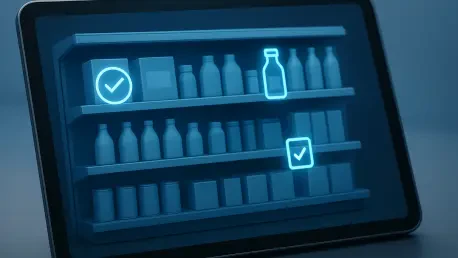
By treating the robot as a mobile sensor platform, grocers can capture a wealth of information that extends far beyond simple price checks or stock counts. These machines are equipped with high-resolution cameras and depth sensors that can identify subtle patterns in shopper behavior and shelf organization. This intelligence layer allows grocers to move beyond simple out-of-stock detection by identifying misplaced items or detecting when a label is slightly obscured. Because the data collection is continuous, the system can build a historical record of how products move throughout the day, providing a dynamic view of store activity. This granular level of detail allows for a more nuanced approach to store management, where every adjustment is backed by empirical evidence. As the technology matures, the ability to see the store through the eyes of a robot is becoming the standard method for maintaining high operational standards and ensuring that the physical store matches the digital plan.
Harnessing Predictive Analytics for Freshness and Replenishment
Advanced intelligence systems now analyze continuous data streams to predict replenishment needs and monitor the freshness of perishable goods with high accuracy. By tracking the dwell time of items on the shelf and cross-referencing this with point-of-sale data, robots can alert staff when a product is nearing its expiration date. This predictive capability is particularly valuable in the produce and meat departments, where maintaining peak freshness is critical for both food safety and customer satisfaction. The system no longer just reports what is missing; it forecasts what will be missing in several hours based on current shopping velocity. Backed by massive manufacturing power from partners like Jabil, these companies are focused on the speed of execution, turning digital insights into prioritized tasks. This shift from reactive to proactive management helps grocers reduce waste and ensure that high-demand items are always available, directly impacting the profitability of the fresh food categories.
Empowering Store Associates through Digital Task Prioritization
The ultimate goal of retail intelligence is to translate complex data into specific, prioritized tasks for store associates to perform on the floor. Instead of wandering the aisles looking for gaps, employees receive real-time notifications on their handheld devices directing them to exact locations that require attention. This systematic approach ensures that labor is used more efficiently, focusing human effort where it can provide the most value. By automating the auditing process, robots free up staff to spend more time engaging with customers and managing complex tasks that require human judgment. This synergy between machine intelligence and human execution creates a more responsive store environment where problems are solved minutes after they are detected. The result is a more productive workforce and a cleaner, better-stocked store that meets the high expectations of modern shoppers. Digital tasking effectively bridges the gap between the robotic data stream and the physical actions.
Diversification and Flexible Deployment Models
Democratizing Access for Regional and Small-Format Retailers
While large-scale grocers utilize permanent robotic fleets, a new trend is emerging for smaller-format retailers like drugstores and convenience stores. Companies like ShelfOptix are democratizing access to this technology through flexible deployment models that do not require massive upfront capital. Using foldable designs and roving audit systems, these robots can be transported between multiple locations, lowering the economic barrier for regional players. This approach allows a single robot to serve several smaller stores on a rotating schedule, providing high-quality data without the need for a permanent in-store station. This flexibility is essential for retailers with smaller footprints or lower margins who still need to compete with national giants. By making robotics accessible to a wider range of businesses, the industry is ensuring that data-driven inventory management becomes a universal standard rather than a luxury reserved for the top tier of the market.
Overcoming Economic Barriers with Roving Audit Systems
The introduction of roving audit models represents a significant shift in the logistical application of retail robotics, favoring adaptability over permanent installation. For many regional grocers, the cost of maintaining a dedicated robot in every store was previously prohibitive, but the ability to share resources across a district changes the ROI calculation. These mobile units are designed to be easily loaded into a standard vehicle and moved by a human escort, making them highly portable. Once on-site, they perform a comprehensive scan of the store and upload the data to a central cloud for processing. This model provides smaller retailers with the same level of shelf visibility enjoyed by larger chains, allowing them to optimize their ordering and reduce out-of-stocks. As more companies adopt these flexible strategies, the gap between large and small retailers in terms of technological capability continues to narrow. This democratization of data is fostering a more competitive and efficient retail landscape across all formats.
Achieving Multi-Functional Utility through Modular Platforms
The expansion of retail robotics is also seeing a rise in modular versatility, moving away from the single-purpose machines of the past. New platforms like MUSE offer a “jack-of-all-trades” approach that allows retailers to customize their robotic fleet based on current needs. By simply swapping hardware modules, a single robot can switch between guiding customers to specific items, facilitating in-store promotions, or cleaning floors. This modularity allows a retailer to replace several disparate systems—such as automated floor scrubbers and digital kiosks—with one multi-functional mobile platform. This consolidation reduces the overall footprint of technology in the store and simplifies maintenance and training for staff. The ability to upgrade a robot by adding a new sensor or attachment ensures that the investment remains relevant as store needs evolve. MUSE’s aggressive strategy of testing these versatile units in smaller U.S. chains is proving that a flexible, multi-tasking robot can deliver high value.
Consolidating Store Infrastructure with Versatile Mobile Units
By integrating multiple functions into a single robotic platform, grocers can significantly reduce the complexity of their in-store infrastructure. Instead of managing separate vendors for security, cleaning, and inventory tracking, they can rely on a unified fleet of modular robots to handle these diverse tasks. This integration leads to better data synchronization, as information collected during a cleaning cycle can simultaneously be used to update inventory records. Furthermore, having a single type of machine in the store reduces the risk of traffic congestion and makes it easier for customers to become accustomed to the presence of autonomous help. As these platforms continue to evolve, they are becoming central hubs for store operations, coordinating everything from spill detection to customer service. The shift toward modularity reflects a broader trend in retail technology toward simplification and efficiency. These multi-purpose machines are transforming the grocery store into a more streamlined and technically integrated environment.
From Observation to Physical Execution
Advancing from Static Monitoring to Dexterous Product Manipulation
The next frontier for grocery automation involves moving from merely observing the shelf to performing physical tasks that were once reserved for humans. Startups like Blue Collar Robotics are now developing machines capable of physical product manipulation, addressing the ultimate challenge of retail automation. These units are being designed to pick items and move them between shelves and carts, integrating complex vision and navigation to handle labor-intensive restocking tasks. This transition requires a level of dexterity and precision that goes far beyond what was possible just a few years ago. By automating the physical movement of goods, retailers can address labor shortages and ensure that shelves are always organized according to the planogram. This evolution marks a significant step toward a fully autonomous store where robots identify and fix inventory issues in real-time. The move into physical manipulation is the final piece of the puzzle for end-to-end shelf automation.
Integrating Specialized Controls for High-Stakes Picking Tasks
Developing a robot that can safely and accurately pick products in a crowded grocery environment requires a seamless integration of specialized picking controls and backend synchronization. These machines must be able to recognize a vast array of packaging types, from fragile glass jars to soft plastic bags, and apply the correct amount of force. The complexity of this task involves sophisticated computer vision that can operate in the varying lighting conditions of a retail floor. Furthermore, these robots must be fully synchronized with the store’s inventory management system to ensure they are picking the right products for the right locations. While this technology is still in the active trial phase, its potential to revolutionize back-room and front-of-house operations is immense. As these robots become more capable, they will play a vital role in fulfillment centers and store aisles alike, handling the repetitive manual labor that currently consumes a large portion of the retail workforce’s time and energy.
Replacing Theoretical Planograms with Real-Time Shelf Reality
The transition to robotic execution marks the definitive end of static retail data, which historically relied on manual audits and theoretical planograms. In the past, grocers often managed their stores based on what should be on the shelf rather than what was actually there, leading to significant discrepancies. As robots provide a constant stream of inventory and pricing data, these outdated legacy systems are becoming obsolete, replaced by a dynamic “living” view of the store. This real-time visibility allows retailers to see exactly how their products are being presented and how quickly they are being sold. The era of the theoretical planogram is over; it has been replaced by a data-driven reality where the shelf is managed based on actual consumer behavior. This shift ensures that every inch of retail space is optimized for maximum sales and customer satisfaction. The move toward end-to-end automation is fundamentally changing the way products are merchandised and managed on a daily basis.
Achieving Operational Excellence through End-to-End Automation
The findings from recent industry assessments demonstrated that the era of static data effectively came to an end as real-time insights became the new gold standard. Retailers who participated in these initial rollouts discovered that manual audits were inherently flawed and could not keep pace with the velocity of modern consumer demands. Moving forward, the priority must shift toward the seamless integration of robotic intelligence into everyday store workflows to maintain a competitive edge. Grocery chains should begin by identifying which specific data gaps—such as misplaced items or freshness tracking—currently hinder their profitability. By adopting modular and dexterous systems, companies will be able to automate not only the observation of problems but their physical resolution. The successful integration of these technologies required a departure from traditional thinking, favoring a model where data directly dictated the actions of both machines and humans. For those ready to lead, the next step involves transitioning from simple inventory tracking to a fully automated, self-healing shelf environment that maximizes efficiency.