
Lower-tier cities now represent nearly 70% of China’s population and are outperforming major metropolitan hubs in retail sales growth across several key metrics. This demographic shift has created a dual-speed economy where total retail sales reached 24.9 trillion yuan in the first half of 2026, yet the nature of that spending has fundamentally changed. Consumers are increasingly pivoting away from the simple acquisition of physical goods, which saw a marginal 1.1% growth, in favor of service-oriented consumption that expanded by 5.3% during the same period. This transition is occurring against a backdrop of massive supply, with prime retail stock in fifteen major cities totaling over 123 million square meters. While vacancy rates have edged up to 11.2% in some districts, the resilience of the market is found in the way physical spaces are being reimagined to meet a new standard of value. The current landscape is no longer defined by how much space a brand occupies, but by how effectively that space engages the emotions and time of the modern shopper.
Navigating the Shift to Experiential Consumption
The Rise of the Experience Economy and Social Hubs
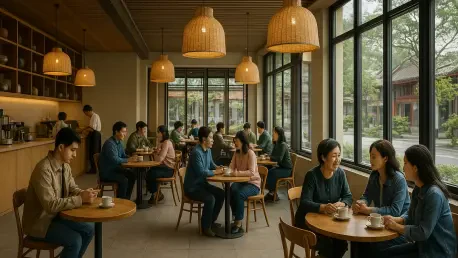
The “Experience Economy” has transformed from a niche marketing concept into a central pillar of the Chinese retail strategy, valued at over 18 trillion yuan by the end of last year. This rapid growth, exceeding 22% annually, demonstrates that shopping malls are successfully shedding their old identities as mere distribution points for merchandise. Instead, they are becoming essential social hubs where community interaction and lifestyle fulfillment take precedence over the simple transaction. Modern developments now incorporate diverse elements such as indoor botanical gardens, high-end sports facilities, and quiet reading zones to attract foot traffic that would otherwise remain online. In cities like Wuhan and Shenzhen, the popularity of social destinations proves that the act of gathering is the primary draw for consumers. By 2028, the most successful retail venues will likely be those that have fully integrated these leisure components into their core business model, ensuring that every visit offers a social reward.
Successful retail design in the current market requires a move toward immersive environments that provide experiences impossible to replicate in a digital format. A standout example is the Ring Shopping Park in Chongqing, which serves as a blueprint for this new era by blending traditional dining and shopping with professional art spaces and family-oriented leisure activities. These multipurpose environments encourage longer dwell times and foster a sense of belonging among local residents. Brands that once focused solely on product turnover are now investing in the atmosphere, recognizing that the “vibe” of a store is just as important as the inventory on the shelves. As competition intensifies through 2028, the integration of technology and nature within shopping centers will become a standard expectation rather than a luxury feature. This evolution ensures that physical retail remains a vital component of urban life by catering to the human need for sensory stimulation and connection.
Expansion into Lower-Tier Cities and Geographic Growth
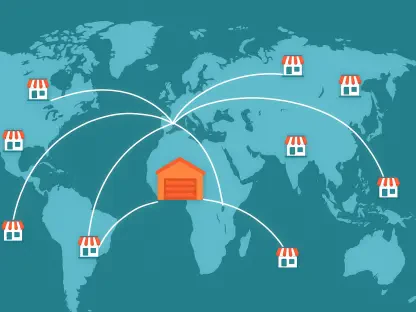
While the glitz of Shanghai and Beijing often captures the headlines, the real momentum for growth is found in the burgeoning middle class of third-tier and lower-tier cities. International giants like Starbucks have already recognized this potential, expanding their footprint into more than 1,000 county-level markets to secure early dominance. These regions benefit from rising disposable incomes and a steady pace of urbanization, making them the new frontier for global brands seeking long-term stability. The geographic distribution of consumption is becoming more balanced as retailers move deeper into the interior, moving away from the saturated and highly competitive markets of the coastal Tier-1 cities. By 2028, the ability to tailor products and services to the specific cultural and economic nuances of these smaller urban centers will be the primary differentiator between successful global players and those that struggle to maintain their growth trajectory in a diversifying national marketplace.
The shift toward the interior also reflects a change in consumer loyalty, as shoppers in lower-tier cities often seek brands that provide a sense of status and community belonging. Retailers are responding by creating “tiered” flagship models that offer the same quality found in major cities but adapted for local tastes. This strategy involves more than just opening doors; it requires a deep investment in local supply chains and regional marketing that resonates with a consumer base that is increasingly sophisticated yet price-conscious. As infrastructure improves and logistics networks reach deeper into rural provinces, the cost of doing business in these areas is decreasing, allowing for more aggressive expansion. The long-term viability of the Chinese retail sector will depend on how effectively companies can bridge the gap between high-end urban innovation and the mass-market potential of the developing interior, creating a cohesive national presence.
Strategic Adaptation and Future Outlook
The revitalization of the tourism sector has introduced a significant “halo effect” for retailers situated near transit hubs and historical districts across major cities. In 2025 alone, China recorded 154.5 million inbound tourist visits, contributing 131.1 billion dollars in spending that bolstered the hospitality and luxury retail sectors. This influx of international and domestic travelers has created a unique opportunity for brands to showcase flagship experiences that cater to a global audience. Shanghai remains a primary gateway, adding over 1.2 million square meters of new retail space this year to accommodate this demand. Meanwhile, cities like Beijing have focused on urban renewal projects, modernizing older commercial assets to reflect the tastes of a more mobile and cosmopolitan consumer base. This regional divergence shows that while some markets are expanding through new construction, others are finding value in repurposed urban fabric.
Looking ahead to 2028, the roadmap for success in the Chinese retail landscape required a decisive pivot toward price-quality value and emotional connectivity. Retailers who focused on integrating value-added services such as in-store workshops and personalized consultations found themselves better positioned than those who relied solely on product volume. The most effective strategies involved the use of tiered branding that acknowledged the distinct needs of high-tech metropolitan hubs versus the practical demands of the growing interior. Decision-makers prioritized the creation of “lifestyle experiences” that treated every customer interaction as an opportunity for storytelling and community building. By leveraging the resurgence of tourism and the expansion of the middle class in lower-tier cities, successful brands managed to navigate the supply surplus with agility. Ultimately, the transformation from a goods-based economy to a service-oriented model provided a resilient foundation for the future.