
The traditional belief that grocery store automation exists solely to slash payroll costs is rapidly disintegrating as modern retailers realize that the true value lies in operational agility and enhanced customer experiences. In 2026, the grocery landscape has moved beyond traditional labor-saving metrics, transitioning into an era where technology serves as a holistic value creator. The current state of retail suggests that supermarkets and convenience stores are no longer just places of transaction but are becoming sophisticated, data-driven environments. This shift is particularly evident in the Australian and global markets, where the necessity for intelligent automation has reached a critical tipping point. Identifying key segments such as high-volume supermarkets and nimble convenience hubs reveals that the competitive necessity of adopting intelligent automation is driven by more than just bottom-line savings.
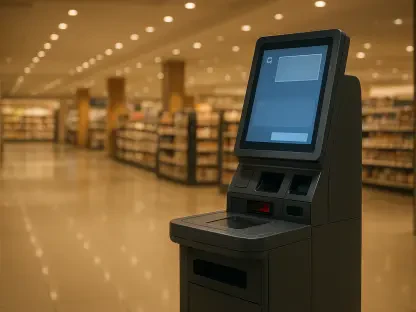
Technological influences have accelerated this transition, moving from simple, first-generation self-checkout kiosks to integrated platforms powered by artificial intelligence and advanced vision systems. These systems provide a comprehensive view of the store, allowing market players to move away from fragmented tools toward unified technology stacks. The objective is no longer simply to scan items faster but to create a responsive ecosystem that adapts to the specific needs of each store location. By embracing these advancements, retailers are positioning themselves to thrive in a market where efficiency and customer satisfaction are inextricably linked.
The Evolution of the Modern Grocery Landscape and the Automation Shift
Assessing the current state of grocery retail requires a move beyond traditional labor-saving metrics. While reducing payroll remains a benefit, the focus has shifted toward creating holistic value across the entire operation. In the Australian and global markets, this means prioritizing agility and precision in inventory management alongside front-end speed. The rise of autonomous retail environments demonstrates that consumers are ready for a different kind of shopping experience, one where technology acts as an invisible facilitator. From major supermarket chains to neighborhood convenience stores, the demand for a frictionless journey has redefined what a successful retail environment looks like.
The transition from simple self-checkout to integrated AI and vision platforms marks a significant technological milestone. Early systems often created as much work as they saved, requiring constant staff intervention. Modern platforms, however, utilize deep learning to recognize items without barcodes and predict shopper behavior. This level of intelligence allows retailers to manage complex environments with fewer errors, turning the checkout area into a source of valuable data rather than a bottleneck. As market players continue to invest in these systems, the competitive necessity of adopting intelligent automation becomes an issue of survival rather than just innovation.
Analyzing Market Dynamics and Performance Projections
Emerging Trends Reshaping Consumer Expectations and Store Operations
The industry currently faces a labor paradox where the challenge is not just a shortage of staff but the inefficient use of human capital. Transitioning staff from passive coverage roles—where they merely monitor machines—to high-value customer contributions is essential for growth. When employees are freed from the “babysitting” effect of legacy systems, they can focus on maintaining produce quality and assisting shoppers, which directly impacts the store’s brand perception. Shifting consumer behaviors further support this change, as recent data indicates that 69 percent of shoppers now actively prefer self-service options over traditional cashier-led experiences.
A significant trend in modern retail is the rise of soft deterrents in loss prevention. Rather than using aggressive security measures that can alienate honest customers, vision platforms allow for frictionless self-correction. If an item is missed or scanned incorrectly, the system provides a gentle prompt to the user, reducing the need for hostile confrontations. This approach not only preserves the customer relationship but also supports sustainability and efficiency. By reducing waste through better inventory management and minimizing the loss of high-value items, automation provides a clear path toward a more responsible and profitable business model.
Performance Indicators and Growth Forecasts in Automated Retail
Data-driven ROI has become the primary benchmark for technological investment, with a clear correlation between sophisticated self-service technology and direct revenue growth. Reports suggest that 97 percent of retailers now associate these automated systems with an increase in their top-line figures. Projections for the adoption of vision platforms and integrated store ecosystems indicate a steady climb in investment from 2026 to 2028. This growth is driven by the realization that automation can do more than just process transactions; it can provide a wealth of data that informs every aspect of store operations.
Key metrics for success have evolved to include shrink reduction percentages, intervention rates, and staff retention levels. Success is no longer measured only by how many minutes are saved at the register but by how many interventions are avoided. A 15 percent reduction in manual interventions, for example, represents a significant win for both operational flow and employee morale. Forward-looking perspectives suggest that the role of automation in long-term profitability is anchored in its ability to build market resilience. In an environment of fluctuating costs, the stability provided by automated systems becomes a critical buffer.
Navigating the Complexities of Implementation and Inventory Loss
Addressing the shrink challenge requires a nuanced understanding of the difference between intentional theft and operational friction. Much of what is categorized as loss stems from simple checkout anomalies, such as unreadable barcodes or distracted shoppers. Overcoming these technical hurdles involves implementing vision-based systems that can identify items even when the physical tag is damaged or missing. By differentiating between an honest mistake and a deliberate act, retailers can tailor their responses to ensure a smooth experience for the vast majority of their customers.
The human element is perhaps the most critical factor in a successful implementation. Mitigating employee burnout is a priority, as legacy systems often forced staff into high-stress, reactive roles. Moving from fragmented tools to unified technology stacks allows for a more seamless integration where the technology assists the worker rather than complicating their day. This reduction in the “babysitting” requirement leads to higher job satisfaction and lower turnover. A unified approach ensures that staff are empowered by the data provided by the system, allowing them to manage the store with greater precision and less frustration.
The Regulatory Environment and Standards for Intelligent Retail
Compliance and safety have become automated functions within the modern grocery store. Utilizing automation for health standards and cold chain monitoring ensures that perishable goods are kept in optimal conditions, reducing the risk of foodborne illness and inventory spoilage. These systems provide constant oversight, alerting managers to temperature fluctuations long before they become a regulatory or safety issue. This proactive approach to compliance protects the retailer from legal liability while also ensuring that the customer receives the highest quality products possible.
Data privacy and security remain central to the ethical use of vision platforms and consumer data. Navigating these requirements involves transparent data handling practices and the use of technology that prioritizes anonymity while still providing operational insights. Furthermore, the automation of age verification for restricted goods has become a standard requirement, allowing stores to comply with legal mandates without slowing down the flow of traffic. Workplace safety regulations are also addressed through technology that can de-escalate checkout conflicts, providing a recorded audit trail that protects staff from harassment and physical risk.
Future Horizons: The Path Toward a Connected Grocery Ecosystem
The expansion of vision platforms into full-store monitoring represents the next stage of retail innovation. These systems can now monitor shelf levels, identify liquid spills, and ensure that safety protocols are followed in real time. This move toward a connected ecosystem allows the store to function as a single, intelligent entity. Potential market disruptors, such as fully autonomous dark stores, are being compared against hybrid service models that combine high-tech efficiency with a human touch. While the dark store offers maximum speed for delivery, the hybrid model remains the preferred choice for those who value the sensory experience of shopping.
AI also plays a vital role in predictive maintenance, preventing significant inventory loss through automated climate control. By analyzing patterns in mechanical performance, the system can predict a failure before it happens, saving thousands of dollars in potentially spoiled stock. This economic outlook shows that automation serves as a vital buffer against rising labor costs and inflation. As the technology becomes more accessible, even smaller retailers are finding that a connected grocery ecosystem is the most effective way to ensure long-term stability and growth in a volatile global economy.
Summary of Findings and Strategic Recommendations for Retail Success
The transition from a narrow focus on hours saved to a broader view of outcomes enabled proved to be the defining characteristic of successful grocery operations. Retailers who treated automation as the fundamental infrastructure of their business, rather than a collection of separate tools, achieved the highest levels of resilience. This holistic approach allowed for a shift in strategy where data-driven insights informed every decision, from inventory management to the deployment of personnel. The evidence clearly favored those who integrated vision platforms to manage both loss prevention and operational efficiency simultaneously.
Strategic recommendations for the future centered on prioritizing platform-based investments that offered scalability and flexibility. The most successful businesses moved toward unified ecosystems that could adapt to changing consumer preferences without requiring a complete hardware overhaul. By focusing on customer-centric and data-driven operations, these retailers secured their place in a competitive market. The era of seeing automation as a simple cost-cutting measure ended, replaced by a sophisticated understanding of technology as the primary driver of value, safety, and customer loyalty in the modern retail age.