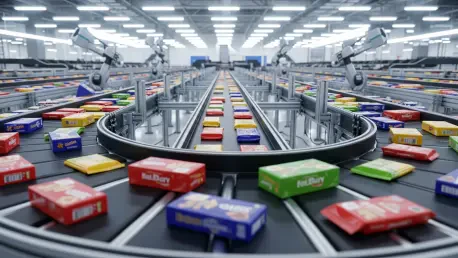

Global supply chain disruptions and skyrocketing raw material costs have forced iconic confectionery giants to rethink their traditional siloed operational models to maintain profitability in a volatile economic climate. The Hershey Company recently embarked on a comprehensive organizational overhaul known as the One Hershey strategy, aiming to unify disparate business units under a single, cohesive technological and operational framework. By integrating advanced enterprise resource planning systems, specifically SAP S/4HANA, the organization has begun to eliminate data silos that previously hindered communication between its North American confectionery core and its burgeoning salty snacks division. This digital backbone allows for a centralized view of performance metrics, enabling leadership to make data-driven decisions with unprecedented speed and accuracy. The shift represents more than just a software update; it is a fundamental change in how the company perceives its internal architecture, moving away from fragmented regional structures toward a globalized approach. As consumer preferences shift, this unified system provides the necessary infrastructure to scale innovations rapidly.
Digital Transformation: Integrating Advanced Technology for Operational Excellence
The transition to a unified digital platform has empowered the workforce to leverage predictive analytics for demand forecasting, which is critical during seasonal peaks like Halloween and the winter holidays. By utilizing artificial intelligence modules within their cloud environment, logistics teams can now anticipate potential bottlenecks in the distribution network before they impact retail availability. This proactive stance ensures that high-demand items like Reese’s Peanut Butter Cups remain stocked even when faced with regional transportation delays. Moreover, the integration of real-time inventory tracking has significantly reduced waste and optimized shelf-life management, which directly contributes to sustainability goals. The ability to monitor stock levels across thousands of retail locations allows for more precise manufacturing schedules, preventing overproduction and minimizing energy consumption associated with excess storage. This synergy is a cornerstone of the effort to remain competitive against agile, smaller startups that often utilize leaner operations to gain market share.
Economic headwinds, particularly the record-breaking surge in cocoa prices and fluctuating sugar costs, have tested the resilience of the traditional confectionery business model throughout the current year. To mitigate these pressures, the One Hershey strategy emphasizes a diversified portfolio that reduces reliance on chocolate-heavy products by expanding the footprint of salty snacks such as Dot’s Homestyle Pretzels and SkinnyPop Popcorn. This strategic pivot allows the company to capture a larger share of the “all-day snacking” occasion, catering to consumers who increasingly seek variety beyond sweet treats. By balancing the product mix, the organization can better absorb commodity price spikes in one sector by leveraging growth in another. Furthermore, the company has implemented sophisticated pricing strategies and pack-size architecture to provide value to price-sensitive shoppers. This approach involves offering smaller, more affordable options alongside larger bulk packages, ensuring that the brand remains accessible while protecting the bottom line.
Strategic Resilience: Navigating Commodity Pressure and Consumer Shifts
Marketing efforts have also undergone a transformation to align with the unified corporate vision, focusing on cross-brand promotions and loyalty programs that treat the entire portfolio as a single ecosystem. Instead of isolated campaigns for individual products, the current marketing strategy utilizes consumer data insights to suggest complementary pairings, such as offering discounts on popcorn when a customer purchases chocolate. This holistic view of the consumer journey is facilitated by the shared digital infrastructure, which tracks purchasing patterns across diverse retail channels. The resulting synergy not only increases the average basket size but also strengthens brand loyalty by providing a more personalized experience. Additionally, the company has invested in direct-to-consumer platforms, allowing for better engagement with core fans. This data is fed back into the development pipeline, ensuring that new product launches are closely aligned with actual consumer needs and flavor trends, which is essential for maintaining a dominant position.
The implementation of the One Hershey strategy successfully addressed the immediate challenges posed by a complex global economy and established a robust foundation for future scalability. By prioritizing a unified technological stack and a diversified product portfolio, the organization demonstrated how traditional manufacturers can modernize their operations to remain relevant. Leadership focused on fostering an internal culture of agility, where cross-functional teams collaborated to solve logistical hurdles and adapt to shifting market conditions. The integration of advanced analytics allowed for more accurate long-term planning, reducing the impact of unforeseen external shocks. Moving forward, the emphasis shifted toward further refining the supply chain through automation and continuing the expansion into health-conscious snack categories. The lessons learned provided a blueprint for other industry players seeking to balance heritage with innovation. The commitment to a single identity proved that unity is a necessity for navigating modern retail.