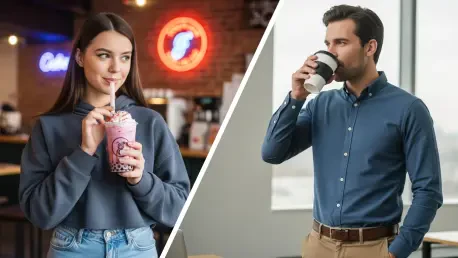

The beverage industry is witnessing a seismic shift as the liquid gold in a consumer’s hand transforms from a simple source of hydration into a loud statement of personal identity. According to the Keurig Dr Pepper (KDP) “State of Beverages” report, the traditional loyalty that once defined older shoppers is evaporating in favor of a “digital discovery” mindset led by Gen Z and Gen Alpha. This transition marks a departure from the predictable Millennial “go-to” drink toward a fluid, rotation-based consumption model where products are selected based on their ability to signal a specific mood or aesthetic.
Specific categories like energy drinks, sports beverages, and protein-enriched liquids have become the new frontier for this generational clash. While Millennials might have reached for a Diet Snapple or a standard coffee out of habit, younger cohorts treat their drink choices as curated tools for social connection and individual branding. The beverage is no longer just a refreshment; it is a prop in a digital narrative, reflecting a broader evolution in how brands must engage with an audience that views every sip as a content opportunity.
Evolution of Consumption Habits and the Role of Key Industry Players
The Keurig Dr Pepper report sheds light on a fundamental change in how different age groups navigate the grocery aisle and the digital marketplace. Millennials historically anchored the market with consistent purchasing patterns, often sticking to a handful of trusted brands for years. In contrast, Gen Z and Alpha are moving away from this static model, preferring a diverse “drink lineup” that changes based on the time of day or social setting. This shift forces industry giants to rethink their long-term strategies to accommodate a more fickle, variety-seeking demographic.
The rise of protein-enriched liquids and advanced sports beverages highlights how functional benefits are being repackaged for a younger audience. Brands are no longer just selling a flavor; they are selling a lifestyle upgrade. This evolution reflects a transition from beverages as mere thirst-quenchers to beverages as essential components of a self-care routine. As these younger generations gain more purchasing power, the industry is seeing a total overhaul of the traditional marketing funnel, moving from brand-led messaging to peer-led discovery.
Analyzing Key Behavioral and Functional Differences
Innovation and the Demand for Flavor Variety
Millennials generally appreciate a reliable brand experience, finding comfort in the flavors they grew up with. However, KDP data indicates a sharp divergence here: 56% of younger consumers actively hunt for limited-edition releases, and 58% specifically pursue unexpected or “weird” flavor profiles. This hunger for novelty drives the success of globally inspired ingredients and nostalgic mashups that provide a sensory adventure rather than just a consistent taste.
While a Millennial might be satisfied with a standard vanilla or berry profile, a Gen Z shopper is significantly more likely to reach for a spicy mango or a botanical infusion. This preference for the “new” means that product lifecycles are shrinking. Brands must now innovate at a breakneck pace to keep up with a demographic that treats a new drink launch with the same level of excitement as a fashion drop or a tech release.
Self-Expression and Social Media Integration
There is a widening gap between the private consumption habits of Millennials and the performative nature of Gen Z’s beverage choices. The data shows a 30% year-over-year increase in social media drink sharing, a trend where the physical appearance and “vibe” of a beverage are just as important as the taste. For the younger cohort, a drink is an extension of their personal brand, used to signal health-consciousness, trendiness, or even a specific emotional state.
In contrast, Millennials have traditionally viewed their morning coffee or afternoon soda as a functional routine rather than a social signal. Gen Z, however, utilizes “drink lineups” to communicate their daily schedule to their followers. This digital integration means that packaging design and aesthetic appeal are now critical metrics for success, as a drink that does not look good on camera is unlikely to gain traction in the modern marketplace.
Functional Requirements vs. Sensory Indulgence
The functional beverage market is exploding, but the motivations differ by age. Gen Z consumers are twice as likely to choose energy drinks compared to older demographics, yet they demand more than just a caffeine kick. They seek a dual-purpose experience: tangible benefits like high protein or electrolytes paired with an indulgent, “feel-good” sensory experience. They are less willing to sacrifice taste for health, leading to a surge in “healthy-ish” drinks that mimic the flavor of treats.
Millennials paved the way for the functional movement with the rise of kombucha and cold-pressed juices, but their approach was often rooted in discipline. The younger market wants the performance of a sports drink with the aesthetic of a premium cocktail. This demand for “functional indulgence” is reshaping product development, as companies strive to mask vitamin-heavy formulas with sophisticated, dessert-like flavor profiles that appeal to a generation that refuses to choose between wellness and pleasure.
Challenges and Considerations in the Modern Beverage Market
Maintaining brand loyalty has become an uphill battle in an era where consumers are conditioned to seek constant variety. With 75% of younger shoppers demanding personalized experiences, the “one-size-fits-all” approach of the past is effectively obsolete. This puts immense pressure on supply chains and marketing departments to manage frequent limited-edition launches and rapid innovation cycles without alienating the core Millennial base that still values stability.
Logistical hurdles are compounded by the shift from in-store influence to digital-first discovery. Even though 75% of shoppers are still influenced by eye-catching physical displays, the initial spark of interest almost always happens on a screen. Brands must now master a complex omnichannel strategy that balances the tangible presence of a grocery shelf with the viral potential of a TikTok trend, all while navigating the high costs of frequent product turnover.
Strategic Recommendations for Navigating Generational Shifts
The divide between Millennial stability and Gen Z’s curated, social-centric consumption required a total rethink of marketing priorities. Successful companies moved toward a hybrid model that maintained core classic products for older loyalists while launching aggressive, “drop-style” marketing campaigns for younger audiences. Balancing functional health benefits with indulgent flavor profiles proved to be the winning formula for capturing the widest possible market share.
Leveraging “mood signaling” became a primary tactic for brands looking to stay relevant in a digital-first world. By positioning beverages as tools for identity and social connection, companies tapped into the rising influence of Gen Z and Gen Alpha. Future strategies will likely focus on even deeper personalization, utilizing AI and social listening to predict the next viral flavor before it even hits the shelves, ensuring that the beverage remains a centerpiece of the consumer’s digital and physical life.