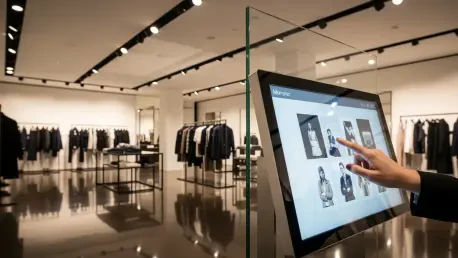

The once-rigid boundary separating the click-through efficiency of online shopping and the tactile warmth of a physical store has finally dissolved into a new paradigm of intelligent commerce. ExperienceMINT has introduced ELEVATE, an advanced retail platform designed to transport the analytical rigor of the digital world into the physical showroom. By synthesizing artificial intelligence with interactive interfaces, this system transforms traditional storefronts into high-performing revenue engines capable of providing deep consumer insights. The initiative seeks to ensure that every square foot of retail space works as hard as a landing page, offering measurable outcomes in a formerly opaque environment.
Bridging the Gap: Digital Precision Meets Physical Presence
Modern commerce requires a seamless transition between various touchpoints, yet physical locations often lack the data-driven precision of their online counterparts. The launch of ELEVATE addresses this discrepancy by integrating immersive visualization and real-time analytics into the brick-and-mortar journey. This approach allows brands to capture detailed shopper behavior, providing a level of visibility that was previously reserved for website heatmaps and clickstream data. By doing so, retailers can create highly personalized environments that respond to the specific needs of each visitor, ultimately driving higher engagement and brand loyalty.
The Historical Divide: Why Physical Retail Needed a Technological Reset
For decades, the physical store operated as a “black box” where retailers struggled to understand why a customer left without making a purchase. While e-commerce platforms tracked every scroll and abandoned cart, storefronts relied on anecdotal evidence and general foot traffic numbers. This lack of performance intelligence meant that brands could not easily optimize their floor plans or product displays based on actual engagement data. As consumer expectations shifted toward the instant gratification and personalization of digital shopping, the technological gap between online and offline channels became a significant barrier to growth.
The Architectural Pillars: Foundations of High-Performance Retail
To solve these systemic issues, a modular and intelligent architecture is required to support the modern shopping experience. The ELEVATE platform is built upon three specific pillars designed to increase transparency, reduce friction, and provide actionable intelligence. By focusing on interactivity, visualization, and conversational AI, the system creates a cohesive environment where technology supports human interaction rather than replacing it. These foundations allow retailers to scale their operations while maintaining a high standard of customer service that adapts to fluctuating market trends and individual shopper preferences.
Empowering Shoppers: The Product Wizard and Sales Enablement
At the core of the interactive experience is the Product Wizard, a touchscreen interface that bridges a brand’s entire digital catalog with the physical floor. This tool empowers shoppers to explore detailed specifications and compare different models without needing to leave the showroom. It also serves as a vital resource for store associates, who can use the interface to guide customers through complex inventory options that may not be physically present. This ensures that a limited retail footprint never limits a brand’s revenue potential, as staff can facilitate sales for the entire product line from a single location.
Visualizing Success: Glas and Immersive AI Integration
One of the most significant challenges in physical retail is purchase hesitation caused by a lack of visualization. The Glas feature utilizes AI-powered visualization to help customers see products within specific lifestyle settings or personalized contexts. By removing the guesswork from the shopping process, this technology directly addresses the uncertainty that often leads to abandoned sales. Market data suggests that providing this level of visual clarity can reduce product return rates by up to 50%, as shoppers gain a much deeper level of confidence in their selections before they even reach the checkout counter.
Optimizing the Journey: AI Agents and Performance Analytics
The final pillar involves the AI Agent, a voice-based system that conducts human-like conversations to resolve queries and maintain momentum during the sales process. This maintains a high level of service even during peak hours when human staff are occupied. More importantly, the system gathers audience engagement analytics that reveal the “why” behind consumer decisions. Implementing these intelligent layers has been shown to boost conversion rates by 25% to 50%, effectively turning the store into a measurable sales channel that can be refined and optimized over time based on real-time feedback.
The Future of Retail: Rapid Deployment and Scalable Intelligence
Agility has become the primary differentiator for brands looking to survive in a rapidly evolving market. Historically, implementing complex retail technology required massive investments in infrastructure and months of planning, which often deterred smaller or more specialized brands. Turnkey, hosted solutions managed by experts allow for rapid deployment across various retail footprints without the burden of extensive IT overhauls. Moving toward 2028, the industry will likely see a proliferation of “plug-and-play” intelligent systems that prioritize design and experience, allowing brands to remain competitive without sacrificing their unique identity or aesthetic.
Strategic Recommendations: Implementation for the Modern Retailer
To capitalize on these advancements, businesses should treat their physical locations with the same iterative mindset they apply to their digital assets. Testing different displays, measuring interaction times, and optimizing product placement based on engagement data should become standard practice. It is also recommended that retailers prioritize the collection of first-party data within the store to better understand the long-term habits of their local customer base. By using AI as a support layer for human associates, brands can reduce friction in the buying process while freeing up staff to build more meaningful, high-value relationships with shoppers.
Redefining the Storefront: The Final Shift Toward Digital Integration
The integration of intelligent retail systems enabled businesses to move beyond the limitations of traditional, static showrooms. Organizations that adopted these measures found themselves better positioned to navigate the complexities of modern consumer behavior. The transition from a simple inventory holder to a data-gathering engagement hub provided the necessary foundation for sustainable growth. Retailers successfully merged tactile experiences with digital precision, ensuring that the physical store remained a vital and profitable component of the global commerce ecosystem. Actionable insights replaced guesswork, and the storefront finally achieved its potential as a high-performance engine for brand success.