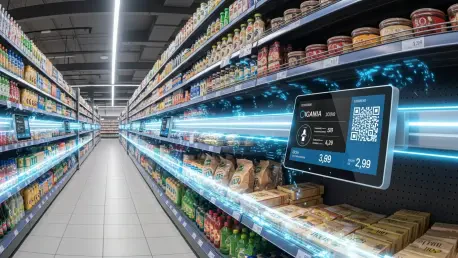

The traditional retail store is currently undergoing a radical metamorphosis, shifting from a simple points-of-sale location into a sophisticated, data-driven ecosystem where every shelf acts as a live sensor. At the heart of this transformation is the EdgeSense IoT platform, a comprehensive operating system designed to bridge the gap between physical retail space and digital intelligence. This technology has emerged not merely as a tool for updating prices, but as a foundational architecture that allows retailers to manage inventory, labor, and customer engagement with unprecedented precision.
Defining the EdgeSense Ecosystem in Modern Retail
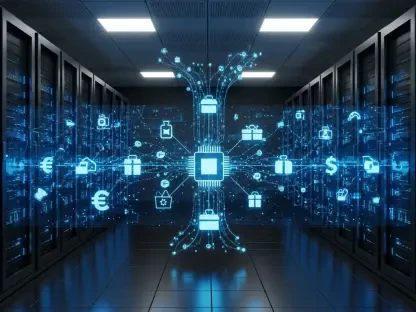
The platform functions as a centralized nervous system, integrating diverse hardware components into a single management interface. It combines wireless communication protocols with advanced cloud computing to ensure that thousands of individual devices can communicate simultaneously without latency. This shift is critical as brick-and-mortar stores face increasing pressure to match the agility of e-commerce giants.
By establishing a reliable digital layer within the store, EdgeSense enables retailers to treat their physical aisles like a website. This means updates that once took days can now occur in seconds, allowing for a level of operational flexibility that was previously impossible. The evolution of this technology represents a move away from isolated gadgets toward a unified environment where data flows seamlessly across all store functions.
Technical Architecture and Core Capabilities
Electronic Shelf Labels and Smart Rail Infrastructure
The most visible aspect of the system involves high-resolution electronic shelf labels (ESLs) mounted on powered smart rails. Unlike early iterations of digital tags, these devices utilize low-power e-paper displays that offer exceptional clarity and wide viewing angles. The smart rails provide a constant power source and data link, eliminating the logistical nightmare of managing millions of individual batteries while ensuring that the infrastructure remains robust and scalable.
AI-Driven Computer Vision and Real-Time Analytics
Beyond mere price display, EdgeSense incorporates AI-driven computer vision to monitor shelf health autonomously. Cameras integrated into the infrastructure or mounted nearby scan the aisles to detect out-of-stock items or misplaced products. This automated oversight reduces the reliance on manual “gap scans” by employees, providing real-time alerts that allow staff to replenish inventory exactly when and where it is needed.
Localization and Centralized Data Synchronization
A unique strength of the platform lies in its ability to balance global oversight with hyper-local execution. While the core software might be managed from a corporate headquarters, the content displayed—such as Spanish-language product descriptions or regional currency formatting—is tailored to the specific neighborhood. This ensures that the digital transformation remains accessible and relevant to diverse consumer bases without creating a fragmented management experience.
Latest Developments in Connected Store Environments
The industry is currently moving toward a “total store” visibility model, where the IoT infrastructure supports more than just inventory. Recent innovations include the integration of environmental sensors that monitor refrigeration and lighting, further reducing energy waste and operational costs. Moreover, the focus has shifted toward using the data generated by EdgeSense to optimize store layouts based on actual foot traffic patterns and product interaction rates.
Real-World Applications: The Walmart Mexico and Central America Deployment
In a major industry milestone, Walmart Mexico and Central America has initiated a massive rollout of the EdgeSense platform across its Walmart Express locations. This deployment involves over 1.7 million ESLs and 180,000 smart rails, making it the most significant IoT implementation in the Latin American retail sector. The move is designed to modernize workflows for associates, shifting their focus from tedious manual price tagging to direct customer interaction.
This implementation serves as a proving ground for how global retail giants can standardize high-tech infrastructure across different geographical markets. By automating the most labor-intensive aspects of store maintenance, Walmart is positioning its regional branches to achieve the same operational efficiency seen in its domestic United States operations. The success of this rollout is already signaling a broader shift toward the “connected store” as the default model for international expansion.
Challenges and Constraints in Large-Scale IoT Integration
Despite its benefits, the transition to such a sophisticated system is not without hurdles. The primary challenge remains the initial capital expenditure and the complexity of integrating legacy inventory software with a modern IoT platform. Furthermore, maintaining a secure and reliable wireless network in an environment filled with metal shelving and hundreds of customers with personal mobile devices requires meticulous RF engineering to avoid interference.
Future Outlook: The Path Toward Predictive Retail
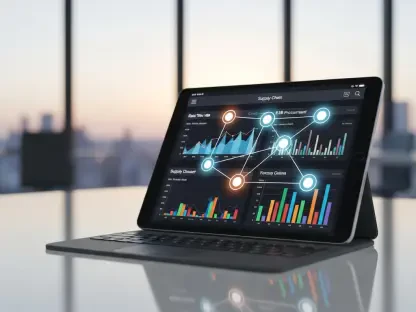
The next phase of retail technology will likely move from reactive management to predictive optimization. As the data layer provided by EdgeSense matures, AI models will be able to forecast stockouts before they happen and adjust pricing dynamically based on local demand or expiration dates. This level of foresight will essentially turn the retail store into a self-healing environment that requires minimal human intervention for routine logistics.
Final Assessment of the EdgeSense Platform
The EdgeSense platform successfully redefined the relationship between digital data and physical retail space. It proved that a unified IoT architecture could solve the persistent problems of labor inefficiency and inventory inaccuracy that have long plagued the industry. By moving beyond simple automation and toward a comprehensive data-driven strategy, the system provided a scalable blueprint for the future of commerce. Retailers who adopted this infrastructure early gained a significant competitive edge, turning their physical locations into agile, intelligent hubs that finally matched the speed of the digital age.