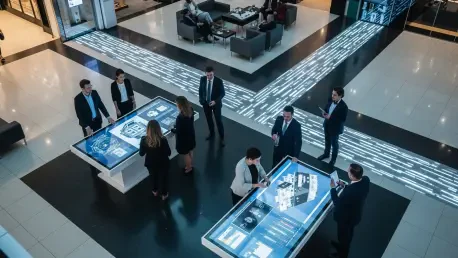

Australian shopping hubs are currently undergoing a radical metamorphosis as they shed their reputations as simple rows of shops to become sophisticated social anchors. A staggering fourteen billion dollars in transactions recently swept through the market, signaling that investors see a profound opportunity in the way people gather and spend. This surge is not just about floor space; it is about the integration of advanced technologies that are fundamentally altering property valuations.
The traditional mall model is rapidly fading into the background, replaced by what industry insiders now call Community Engagement and Entertainment Centres. These assets are drawing massive influxes of international capital because they offer defensive yields that other sectors, like struggling office markets, simply cannot match. Large-scale institutional players are betting on the resilient demographics of the Australian suburb, where the physical hub remains the heartbeat of local activity.
Catalysts Driving Growth and Market Evolution
The Rise of Agentic Commerce and Experiential Consumption
The emergence of agentic commerce, or A-commerce, is reshaping the very nature of how households function by delegating the purchase of mundane, commoditized goods to autonomous AI assistants. When a refrigerator can independently reorder milk or a software agent can source the cheapest detergents, the need for physical grocery runs diminishes. This shift actually benefits premier retail centers by clearing out the clutter of necessity-based shopping and making room for high-touch interactions.
As algorithms handle the boring logistics of life, consumer behavior is pivoting toward sensory-rich experiences that a screen cannot replicate. Wellness clinics, high-end dining, and interactive entertainment are becoming the new anchors of the modern retail ecosystem. Physical spaces that successfully pivot to these experiential models are seeing increased foot traffic and higher dwell times, capturing value through services that emphasize the human element over digital convenience.
Capital Inflows and Performance Benchmarks
The recent fourteen billion dollar investment wave has injected significant liquidity into the market, proving that retail is far from obsolete. When compared to the volatility seen in traditional office sectors, retail assets are currently performing with remarkable stability and growth potential. Investors are looking for tangible reliability, and the consistent cash flows from diverse tenant mixes provide exactly the kind of security desired in an uncertain global economy.
Growth projections for the next few years suggest that physical spaces focusing on immersion will continue to outperform their purely digital counterparts. The movement of capital into these assets reflects a belief that well-located property is a hedge against inflation and digital fatigue. As long as these centers continue to evolve, they will remain the preferred destination for both domestic wealth funds and foreign equity seeking long-term appreciation.
Navigating the Obstacles of an AI-Driven Retail Ecosystem
One of the most significant hurdles for brick-and-mortar retailers in this new era is the potential loss of a direct relationship with the end consumer. If an AI agent makes the final decision on a purchase, the brand must find a way to influence the algorithm rather than just the person. This necessitates a shift toward agentic engine optimization, a strategy where retailers ensure their data is structured so that virtual assistants can easily find and recommend their products.
Furthermore, a substantial trust gap remains regarding how these AI agents handle sensitive financial data and personal preferences. Consumers are often hesitant to delegate complete financial authority to a machine without rigorous privacy safeguards. Traditional retailers who can offer a secure, transparent environment for these automated transactions will find themselves at a competitive advantage, bridging the gap between digital efficiency and physical safety.
Navigating Data Privacy and the Regulatory Framework
Australian consumer protection laws are currently catching up to the speed of autonomous technology to ensure that the agentic transaction pipeline remains fair. Property managers and tenants must now navigate a complex web of compliance requirements designed to protect the integrity of user data. As retail spaces become more data-centric, the responsibility to secure this information becomes a core part of property management rather than just an IT concern.
Emerging technology standards are also influencing lease agreements and infrastructure requirements for modern storefronts. High-speed connectivity and integrated data security measures are no longer optional extras; they are fundamental to the operation of a modern retail tenant. Protecting the “agentic” pipeline means ensuring that every touchpoint, from the digital kiosk to the point of sale, is fortified against breaches that could compromise the entire ecosystem.
The Strategic Shift Toward Specialized Retail Destinations
The future points toward a bifurcated retail landscape where the market is split between automated digital convenience and physical immersion. We are seeing the rise of market disruptors who are redefining what it means to be a neighborhood hub by blending hyper-local services with global brand storytelling. These centers are no longer just places to buy things; they are showrooms where brands can build emotional connections with their audience through tangible interactions.
Global economic conditions and local demographic resilience will continue to dictate the pace of mall redevelopments across the country. In the coming years, we can expect innovation in physical storefronts to focus on providing services that AI cannot simulate, such as high-end tailoring, communal fitness, and artisanal food experiences. These specialized destinations are becoming the primary drivers of value in the Australian property market, catering to a population that craves physical community.
Capitalizing on the Bifurcated Future of Physical Retail
The findings of this report highlighted how the symbiotic relationship between digital automation and physical retail has created a more specialized market. Industry experts recognized that while AI handles the procurement of basics, the cultural necessity of unique community spaces has only grown stronger. Investors prioritized premier assets that offered tangible engagement, effectively future-proofing their portfolios against the limitations of online shopping.
Moving forward, the focus shifted toward integrating “agentic” optimization into the physical storefront to ensure visibility in an algorithm-heavy world. Strategic redevelopments focused on high-engagement tenants who provided services that were impossible to replicate digitally. This maturation of the Australian retail landscape ensured that the market remained a resilient, high-growth sector capable of thriving alongside the rapid advancement of artificial intelligence.