
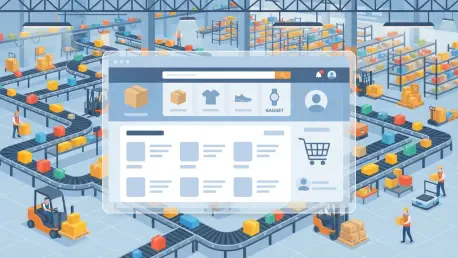
South African retailers face the critical challenge of ensuring that digital promises made by AI shopping assistants are backed by physical delivery capabilities and real-time inventory accuracy. The retail landscape in 2026 is defined by a massive shift away from manual interaction toward

Because luxury goods are often defined by subtle details, artificial intelligence helps consumers evaluate seemingly identical items based on internal organization and material durability. This capability marks a significant departure from the traditional retail model where such deep insights were

Zainab Hussain has spent years at the intersection of consumer behavior and operational efficiency, making her a vital voice in the transition to "agentic commerce." As a seasoned e-commerce strategist, she understands that the leap from a human clicking "add to cart" to an autonomous AI agent

Transactional AI agents have evolved beyond simple text responses to provide visual product cards that allow customers to add items to their carts during a chat session. This capability marks a definitive shift from the static FAQ bots of the past toward a dynamic, interactive commerce model where

Efficiency in the buyer journey occurs when a shopper provides a single complex requirement and receives highly curated product recommendations immediately. This shift marks a departure from the historical model where users were expected to navigate through nested menus and apply multiple filters

Navigating the complexities of the Mexican Tax Administration Service has become more accessible through AI tools that automatically suggest correct tax codes for every product sold. This advancement marks a significant turning point for the Mexican retail landscape as the platform T1 introduces a