

Cybersecurity threats and sophisticated fraud risks are estimated to decrease e-commerce growth potential by 1.6% across North America and Europe. This sobering reality underscores the delicate balance between rapid digital expansion and the systemic vulnerabilities that accompany a borderless

Every time a consumer chooses to swipe their credit card at a high-end boutique or within a digital storefront, they are creating a definitive trail of data that signals their lifestyle needs more effectively than any browsing history or social media interaction ever could. This stream of
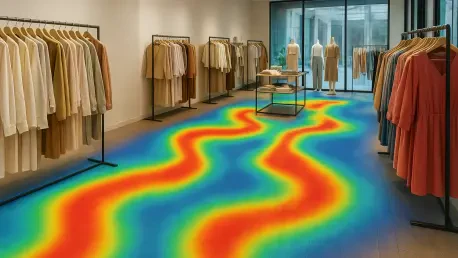
Modern physical retailers are currently fighting a silent battle against the invisible efficiency of e-commerce platforms where every click is tracked and analyzed with surgical precision. To bridge this divide, Smart Retail Analytics has emerged as a critical framework that transforms the

The modern retail floor is no longer a theater for wandering browsers, but rather a high-stakes arena where shoppers arrive with precision tools, specific lists, and a singular focus on immediate mission completion. This evolution toward intentionality has redefined the metrics of success for

The traditional shopping journey, once defined by human intent and manual curation, is being rewritten by autonomous systems that act as both consumer and curator in a hyper-automated marketplace. Retail is no longer a simple transaction between a person and a storefront; it has evolved into a

Sébastien Mc Mahon of iA Financial Group noted that the August flash estimate serves as a more reliable indicator of underlying economic strength. This assessment comes at a critical juncture as the latest figures from Statistics Canada indicate a 0.7 percent decline in retail sales for July,