
The systemic erosion of security within the British retail sector reached a breaking point that finally compelled a comprehensive legislative reset to address the staggering rise in organized theft and violence against employees. For years, the industry served as the economic heartbeat of the nation, providing millions of jobs and serving as a primary driver of local development. However, this cornerstone of the national economy faced an existential threat as criminal activity became increasingly brazen and frequent. The emergence of the Crime and Policing Act signifies a pivotal moment in the governance of public spaces, moving away from a period characterized by legislative passivity toward a robust framework of enforcement and prevention.
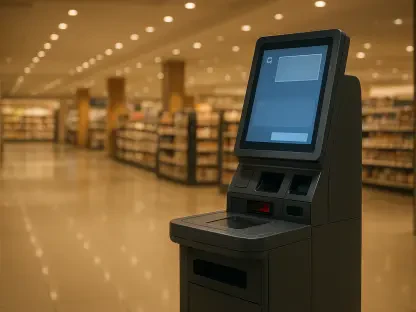
Central to this crisis was the controversial two-hundred-pound threshold for shoplifting, which many critics argued functioned as an unofficial license to steal. Because offenses below this value were often categorized as summary-only, they rarely triggered a significant police response or meaningful judicial consequences. This legal loophole encouraged a culture of impunity among prolific offenders who meticulously tracked their thefts to remain under the limit. Consequently, the integration of technology in retail security, such as facial recognition and high-definition surveillance, became a necessity rather than an innovation, as stores attempted to compensate for a lack of external enforcement. The current regulatory shift aims to bridge the gap between private security efforts and public policing mandates.
The State of British Retail and the Growing Crisis of Shoplifting
The retail landscape currently navigates a complex recovery phase where the financial viability of storefronts is directly tied to the safety of the shopping environment. Despite the digital shift in consumer habits, the physical high street remains a vital social and economic hub, yet its stability was compromised by a surge in retail crime that cost businesses billions in inventory shrinkage. This economic drain did not merely affect profit margins; it led to store closures and the desertion of urban centers, creating a cycle of decline that proved difficult to reverse without state intervention. The retail sector found itself on the front lines of a societal shift where theft was increasingly viewed as a low-risk activity.
Furthermore, the rise in summary-only offenses distorted the true scale of the problem, as many incidents went unrecorded or were dismissed by a legal system overwhelmed by more violent crimes. This prioritization meant that the daily reality of shop workers involved managing aggressive individuals with very little protection from the law. The removal of the two-hundred-pound threshold is designed to dismantle the perception that small-scale theft is a victimless crime. By treating all shoplifting with equal legal gravity, the government intends to disrupt the operational models of organized gangs that utilized the loophole to facilitate large-scale, distributed theft operations across multiple jurisdictions.
The integration of sophisticated security technology has also forced a change in how crimes are documented and prosecuted. Retailers now employ artificial intelligence to predict theft patterns and utilize smart tagging to track stolen merchandise in real time. While these advancements provided some relief, they also highlighted the need for updated policing protocols that could keep pace with digital evidence. The Crime and Policing Act serves as the regulatory backbone for this new era, ensuring that the data collected by private entities can be seamlessly utilized by law enforcement to secure convictions and deter future criminal behavior.
Key Legislative Shifts and Economic Projections
Emerging Trends in Retail Crime Prevention and Enforcement
A defining feature of the current legislative environment is the creation of specialized criminal offenses that target the specific threats faced by store employees. For the first time, a standalone charge for assaulting a retail worker has been established, elevating the protection of these individuals to the same status as emergency responders. This move addresses the alarming trend of physical violence that often accompanies shoplifting incidents. By isolating this offense, the judicial system can apply more stringent sentencing guidelines, sending a clear message that abuse of the retail workforce is an intolerable violation of public order.
The removal of the shoplifting loophole is also driving a significant shift in offender behavior. Data suggests that as the risk of prosecution increases for low-value thefts, the opportunistic nature of retail crime is beginning to wane. However, this has also led to a more confrontational environment as some offenders resort to more desperate measures. To counter this, the government introduced Respect Orders and Neighborhood Policing Guarantees. These measures are intended to provide a visible deterrent on the high street, ensuring that police officers are not just reactive but are a constant, stabilizing presence that discourages anti-social behavior before it escalates into criminal activity.
Data-Driven Forecasts for the UK Retail Environment
Evaluations of market data from recent crime reports indicate a cautious optimism among business owners regarding the future of the high street. According to the Association of Convenience Stores, there is a burgeoning trend of improved reporting as retailers begin to see the tangible results of police cooperation. As the legal barriers to prosecution fall, the relationship between shopkeepers and local authorities is strengthening, leading to a more coordinated approach to crime management. Growth projections for independent businesses remain positive, provided that the current trajectory of reduced inventory shrinkage continues through 2027 and 2028.
Financially, the reduction in theft is expected to offset the high costs of secondary security measures. Many retailers have spent significant portions of their operating budgets on private guards and reinforced infrastructure, costs that are ultimately passed on to the consumer. The potential for government-backed security grants offers a way for smaller shops to modernize their surveillance systems without compromising their liquidity. If these legislative protections successfully lower crime rates, the industry could see a restoration of profit margins that were previously eroded by the constant necessity of replacing stolen stock and repairing damaged premises.
Navigating Operational and Societal Challenges
One of the most persistent hurdles in this transition is the reporting gap that characterizes the retail industry. For years, staff members often hesitated to document abuse or minor thefts because they believed the police would not attend the scene or that the case would be dropped by the Crown Prosecution Service. Overcoming this historical skepticism requires more than just new laws; it necessitates a demonstrable change in response times and investigative outcomes. If workers do not see immediate consequences for offenders, the psychological barrier to reporting will remain, leaving a significant portion of retail crime hidden from official statistics.
Logistically, the implementation of expanded drug testing and warrant-free searches for tracked goods presents its own set of complexities. While the power to enter a premises to recover stolen items without a warrant is a powerful tool for law enforcement, it must be balanced against civil liberties and procedural accuracy. Ensuring that officers are trained to handle GPS tracking data and electronic evidence is critical to maintaining the integrity of the judicial process. Moreover, the focus on drug testing highlights the intersection between substance abuse and retail crime, suggesting that a purely punitive approach may not be sufficient without a corresponding focus on rehabilitation and support services.
Balancing aggressive law enforcement with the safety of employees also requires a strategic shift in store management. While police presence is a deterrent, the initial interaction with a thief often falls on the shoulders of a store clerk. Strategies must focus on de-escalation and the safe observation of crimes rather than physical intervention by staff. Protecting the psychological well-being of the workforce is paramount, as the trauma of repeated abuse can lead to high turnover rates and a labor shortage in the sector. Ensuring that the new laws translate into a safer daily experience for employees is the ultimate metric of success for the Crime and Policing Act.
The New Regulatory Landscape for Retail Security
The core provisions of the Crime and Policing Act represent a fundamental departure from previous summary justice standards that often favored administrative convenience over public safety. By removing the value-based classification of theft, the Act ensures that the legal system accounts for the cumulative impact of retail crime on communities. This shift requires a more rigorous approach to evidence collection, as retailers must now be prepared to provide detailed documentation for every incident, regardless of size. The regulatory burden has shifted toward a more formal and data-driven process of justice.
In terms of violent crime, the new offense for possessing bladed articles with the intent to cause harm or intimidate is a direct response to the rise in weapon-related incidents within shopping centers. This provision allows law enforcement to intervene earlier, potentially preventing tragedies before they occur. It also simplifies the prosecution process for cases where intent can be clearly demonstrated through surveillance footage or witness testimony. For retailers, this means that security protocols must now include specific training on identifying and reporting the presence of weapons, further integrating store security into the broader national safety framework.
Compliance requirements for retailers have also evolved, particularly regarding the collection and storage of electronic evidence. As GPS tracking and smart tags become standard, businesses must ensure that their data handling practices meet the standards required for use in court. This includes maintaining a clear chain of custody for digital assets and ensuring that surveillance systems are compliant with privacy regulations. The move toward a more technological enforcement model necessitates a closer partnership between retail IT departments and police forensic teams to ensure that no technicality allows a prolific offender to escape justice.
Future Outlook: Innovation and Policing in the High Street
The future of the high street is increasingly defined by the Neighborhood Policing Guarantee, which promises a return to visible, community-focused law enforcement. This initiative is expected to provide the consistent deterrent that retailers have long demanded, filling the void left by years of budgetary constraints. The presence of dedicated officers who understand the specific dynamics of their local shopping districts will likely lead to more effective interventions and a deeper trust between the public and the police. This visibility is the primary tool for restoring a sense of order and safety for shoppers and staff alike.
Innovation will continue to play a critical role as emerging technologies like AI-driven surveillance and automated incident reporting become more sophisticated. These tools will interact with new police search powers to create a more hostile environment for organized retail crime. For example, the ability to track a high-value item from the moment it leaves a shelf to the doorstep of a fencing operation could revolutionize how police dismantle criminal networks. However, the long-term impact of these technologies will depend on their integration into a legal system that is both efficient and fair.
Furthermore, the mandatory drug treatment pathways introduced alongside these policing measures aim to address the root causes of theft. By channeling offenders into programs that tackle addiction, the government hopes to reduce the recidivism rates that have plagued the retail sector for decades. This holistic approach recognizes that while enforcement is necessary, breaking the cycle of crime requires a combination of punishment and social intervention. The success of these programs will be vital in ensuring that the high street remains a vibrant and safe environment for future generations.
Advancing Retail Safety and Industry Resilience
The transition from a landscape of legal loopholes to a comprehensive framework of retail protection marked a significant evolution in how the nation valued its commercial spaces. Stakeholders throughout the industry acknowledged that the previous reliance on monetary thresholds had inadvertently signaled to criminal elements that retail theft was a low-stakes venture. By the time the legislative reset was fully enacted, the focus shifted toward a more rigorous application of the law, ensuring that every incident of theft or violence was met with an appropriate judicial response. This systemic change empowered retailers to reclaim their stores and fostered an environment where safety was no longer a luxury but a standard expectation.
Retailers found that maximizing the benefits of the new legislation required an internal overhaul of their reporting and cooperation strategies. The industry moved toward standardized digital reporting systems that streamlined the transfer of evidence to police databases, effectively reducing the administrative burden on both parties. Training programs for store managers were updated to emphasize the importance of documenting not just the loss of goods, but the behavioral patterns of repeat offenders. These proactive steps allowed businesses to leverage the full weight of the Crime and Policing Act, turning the tide against organized retail crime through a combination of local vigilance and national enforcement.
The restoration of public confidence in local shopping hubs became the final piece of the industry’s recovery puzzle. As the visible presence of neighborhood policing increased and the “Respect Orders” began to clear high streets of persistent anti-social behavior, foot traffic in urban centers saw a measurable uptick. The long-term stability of the retail sector was bolstered by the realization that commercial prosperity was inseparable from public order. By prioritizing the protection of the retail workforce and closing the gaps that allowed crime to flourish, the government and the industry together built a more resilient foundation for the national economy.