
The $65 Billion Landscape of Australian Automotive and Lifestyle Retail
The Australian retail landscape is currently undergoing a massive transformation as legacy brands pivot toward regional dominance to capture a slice of the staggering sixty-five billion dollar addressable market. Within this competitive ecosystem, Super Retail Group has established itself as a cornerstone player by utilizing its extensive portfolio of automotive and outdoor lifestyle banners. These brands, which include Supercheap Auto, Rebel, BCF, and Macpac, represent more than just storefronts; they are integrated hubs that blend traditional commerce with modern digital engagement.
This specific sector thrives on a combination of high-volume physical footprints and a sophisticated understanding of consumer behavior. As market dynamics evolve, the distinction between general retail and specialized lifestyle solutions has become more pronounced. Major players are now forced to innovate beyond the standard shopfront, focusing instead on hyper-localized offerings that cater to the specific needs of diverse Australian communities.
Strategic Evolution and Financial Projections for the Ignite Era
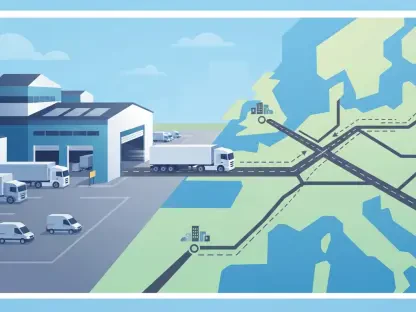
The Ignite strategy serves as a bold blueprint for long-term growth, focusing on a more granular understanding of consumer geography and store accessibility. Instead of solely saturating major metropolitan areas, the group is now identifying high-potential regional corridors that have been historically underserved. This shift allows the company to tap into localized demand while optimizing logistics and operational overhead through a more efficient distribution network.
Moving forward from 2026, the group remains committed to a structured financial roadmap that balances aggressive expansion with fiscal responsibility. The initiative is not just about increasing the number of doors but about enhancing the quality of every square foot. By aligning store formats with local demographics, the group ensures that its capital investments are directed toward the most profitable opportunities in a shifting economy.
Regional Expansion and Data-Driven Loyalty as Market Catalysts
By targeting regional populations between 10,000 and 50,000, the Rebel brand is successfully finding a lucrative niche where contribution margins remain significantly higher than in urban centers. These regional catchments often lack specialized competition, allowing the brand to become the primary destination for high-quality sporting equipment. Early data suggests that these locations can outperform expectations by millions in revenue within their first year by simply meeting existing local demand.
Fueling this regional push is a massive database of 13 million active club members who provide critical insights into purchasing habits. This wealth of information enables the group to tailor inventory and marketing efforts to specific demographics, ensuring that 85 percent of total sales remain tied to a loyal customer base. The ability to predict consumer trends through this data significantly reduces the risk associated with new store openings and inventory management.
Analyzing the Fiscal Trajectory and Network Growth Metrics
To support this expansion, the group has committed to a disciplined financial framework involving a $150 million annual capital expenditure budget. A portion of this funding is specifically allocated to the project expenses required to launch 110 new stores by 2031. While recent economic pressures have caused minor fluctuations in profit, the management team remains focused on the long-term scale of the operation across all banners.
This network growth is expected to yield substantial operational efficiencies, with a target of $75 million in annual cost savings by 2029. By scaling logistics and centralizing certain administrative functions, the company aims to offset the costs of physical expansion. The move toward a total network of over 900 stores represents a calculated bet on the continued resilience of the Australian consumer in the automotive and outdoor segments.
Navigating Economic Headwinds and Operational Complexities
Navigating the current economic environment requires a high degree of agility as rising interest rates and fuel prices impact discretionary spending. Like-for-like sales growth has shown signs of slowing in certain segments, prompting a more flexible approach to real estate and lease negotiations. To maintain momentum, the group is implementing a dual-format strategy that adapts to different market sizes and local constraints.
By utilizing smaller boutique layouts in dense areas and expansive superstores in regional hubs, the company can penetrate various real estate environments. This flexibility allows for better control over overhead costs and inventory turnover, which is vital when consumer sentiment is volatile. Adapting store size to the specific needs of a catchment ensures that each location remains a productive asset within the broader corporate portfolio.
Compliance Standards and Integrity in Modern Retail Operations
As the physical and digital footprints of the group expand, maintaining high standards of data security and consumer protection is paramount. Adhering to Australian Consumer Law ensures that product quality remains consistent across all banners, which is essential for maintaining long-term brand integrity. Furthermore, protecting the sensitive information of 13 million members requires a robust cybersecurity framework that evolves alongside emerging digital threats.
Beyond data security, the group must manage complex supply chains to ensure that automotive and outdoor equipment meets stringent safety regulations. Transparency in sourcing and operational integrity serves as the foundation for sustainable growth in a regulated market. These compliance measures are not merely legal requirements but are strategic assets that build trust with a consumer base that values reliability and safety.
The Future of Consumer Engagement and Format Diversification
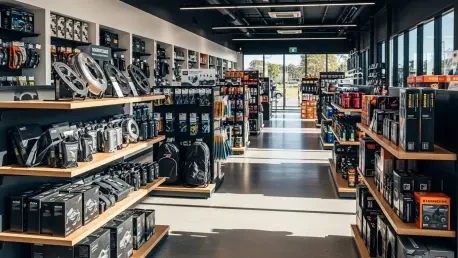
The future of the retail sector lies in the ability to merge technical product innovation with experiential shopping environments. Brands like Macpac are focusing on technical gear advancements, while BCF is leaning into the lucrative 4WD fitment market to capture niche enthusiast spending. Immersive store environments are becoming the new standard, serving as both community destinations and fulfillment points for omnichannel orders.
As the industry moves forward, the integration of service-based offerings will differentiate physical stores from purely digital competitors. Providing expert advice and in-store fittings creates a level of engagement that cannot be replicated online. This focus on “owning the outdoors” and “owning sport” ensures that the group remains the primary choice for consumers seeking both products and expertise.
Strengthening Market Dominance Through Targeted Growth and Efficiency
The Ignite plan provided a comprehensive framework for navigating the complexities of the modern Australian retail sector while pursuing aggressive physical growth. By focusing on regional accessibility and leveraging sophisticated consumer data, the group established a clear path toward long-term market leadership. These strategic initiatives emphasized the importance of operational efficiency and format diversification, ensuring that the company remained prepared for shifts in consumer behavior and economic conditions.
The successful implementation of these projects required a balanced approach to capital allocation and a commitment to data-driven decision-making. Future considerations involved the continued integration of digital and physical assets to create a seamless shopping experience for millions of loyal members. Ultimately, the group prioritized sustainable expansion and cost management to secure its position as a dominant force in the sixty-five billion dollar retail landscape.