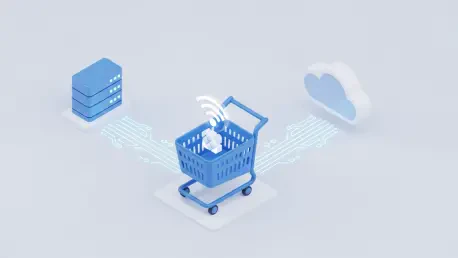

The seamless integration of high-fidelity sensors and generative intelligence into a grocery cart marks a definitive departure from the clunky self-checkout kiosks that defined the previous decade. As retailers grapple with labor shortages and rising consumer expectations for speed, the traditional supermarket model is undergoing a profound metamorphosis. This shift is not merely about digitizing a physical space but about reimagining the entire commerce journey as a continuous, tech-enabled flow. By leveraging a combination of artificial intelligence, the Internet of Things, and cloud-native architectures, modern grocery chains are successfully bridging the gap between digital convenience and physical immediacy.
This transformation aligns with a broader global trend where the physical storefront serves as a sophisticated data collection node. While international giants like Amazon and Walmart pioneered early iterations of “just walk out” technology, the current wave of innovation focuses on making these solutions accessible and scalable. The transition from manual price tagging and centralized queues toward a decentralized environment allows retailers to address chronic friction points that have long frustrated shoppers. By centering the experience around the user’s mobile device and intelligent hardware, the retail ecosystem is becoming increasingly proactive rather than reactive.
The Evolution of Digital Solutions in Modern Grocery Retail
The modern grocery landscape has moved far beyond the simple introduction of e-commerce websites. It now encompasses a sophisticated layer of connectivity that permeates every aisle and shelf. This evolution was driven by a need to synchronize the online and offline worlds, creating a unified experience where inventory data and consumer preferences are updated in real time. Unlike the rigid systems of the past, today’s smart retail environment relies on the elasticity of cloud computing to handle massive spikes in transactional data while providing personalized feedback to the shopper.
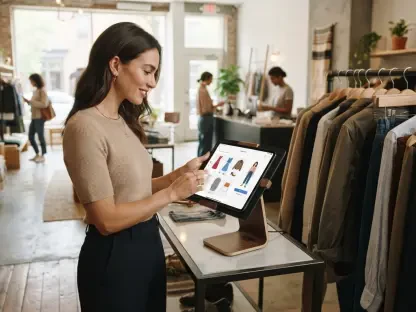
This tech-enabled environment is specifically designed to eliminate the bottleneck of the traditional checkout line. By moving the point of sale from a fixed counter to a mobile unit, retailers are effectively turning the entire store into a transaction zone. This shift addresses the global digital transformation trend where consumers expect the same level of efficiency in a physical store as they do on a smartphone app. The result is a more fluid interaction that values the customer’s time and provides the retailer with granular insights into shopping behavior.
Core Components of the Smart Retail Ecosystem
Integrated Smart Trolleys and IoT Hardware
The hardware at the center of this revolution is the smart trolley, a device that transforms a simple metal basket into a sophisticated mobile POS system. Users initiate their journey by synchronizing their digital profiles via QR codes, which immediately links their loyalty data to the hardware. Once active, these carts utilize built-in scanners and sensitive weight sensors to ensure that every item placed in the basket is accounted for accurately. This dual-verification system prevents shrinkage while allowing the customer to skip the queue entirely.
What sets this implementation apart from standard self-checkout stations is the “anywhere-in-store” capability. Shoppers are no longer tethered to a specific exit point to finalize their purchases. Instead, the integrated tablets on the handle provide a continuous tally of the bill, including discounts and tax. This immediate transparency helps shoppers stay within their budgets and eliminates the “sticker shock” often experienced at the end of a traditional shopping trip. The hardware serves as a bridge, bringing the analytical power of the web to the physical act of browsing.
AI-Powered Cloud Infrastructure and Conversational Agents
The intelligence behind these devices is powered by robust cloud infrastructures, such as Google Cloud, which enable generative AI to interact with users in real time. Rather than searching through menus, shoppers can engage with conversational agents using natural language. These speech-recognition tools are capable of understanding complex queries, such as asking for the location of organic flour or seeking purchasing advice for a specific recipe. This level of interaction mimics the presence of a dedicated personal shopper, providing a premium experience at scale.
Furthermore, these knowledge agents are connected to the store’s live inventory database. This ensures that the advice given is always relevant to what is actually on the shelf at that moment. Beyond simple navigation, these tools analyze barcodes to suggest complementary products, such as a specific wine to pair with a selected cheese. This creates a data-driven cross-selling environment that feels helpful rather than intrusive, significantly enhancing the utility of the smart retail ecosystem.
Current Innovations and Industry Trends
The industry is currently moving toward “phygital” environments that blur the lines between storefronts and digital catalogs. Features like ShopBeyond allow customers to scan labels on the shelf to access an expanded online inventory that may not be physically present in that specific location. This effectively removes the limitations of physical square footage, allowing a small neighborhood store to offer the variety of a massive hypermarket. This trend highlights a shift toward a “limitless shelf” strategy where the physical store acts as a showroom for a much larger digital world.
Internally, generative AI is being repurposed to streamline the heavy lifting of store management. Chatbots designed for staff can handle complex data analysis, providing store managers with instant reports on inventory turnover or labor productivity. These administrative tools allow human employees to move away from repetitive data entry and focus on higher-value tasks, such as specialized customer service or food preparation. This internal modernization is just as critical as the consumer-facing tech, as it ensures the operational backbone can support the high-tech storefront.
Real-World Applications and Operational Impact
Large-scale deployments in flagship retail locations have already demonstrated the practical utility of these digital tools. One of the most visible changes is the adoption of automated pricing through digital labels. These electronic displays allow for instantaneous price updates across thousands of products, ensuring that promotional changes are synchronized with the central system without manual intervention. This automation has proven to save thousands of man-hours annually, allowing retailers to reinvest that human capital into areas that directly improve the customer experience.
The operational impact is further amplified by data analytics applications like Grocer Genie. These tools provide store-level decision-makers with real-time insights into shopping patterns, helping to optimize stocking schedules and reduce perishable waste. By knowing exactly when a product is likely to sell out, managers can ensure that high-demand items are always available, thereby increasing customer satisfaction and loyalty. This granular control over the supply chain represents a significant leap forward in retail efficiency.
Addressing Implementation Challenges and Market Obstacles
Despite the obvious benefits, the transition to a smart retail model is fraught with challenges, primarily the high capital investment required for hardware rollouts. Outfitting a fleet of stores with hundreds of smart trolleys and thousands of digital labels requires a significant upfront commitment that can be difficult for smaller players to justify. Additionally, there are technical hurdles regarding the integration of sensitive government data vaults for user verification. Ensuring that these systems remain secure while providing a frictionless experience for the user is a delicate balancing act.
Development efforts are currently focused on streamlining these verification processes. By integrating with national digital identity systems like MyInfo, retailers can automate the application of specialized discounts for seniors or low-income shoppers without requiring manual document checks. This integration not only speeds up the process but also ensures a higher degree of accuracy in benefit distribution. As these systems become more standardized, the barriers to entry are expected to lower, allowing for even wider adoption across the industry.
The Future of Decentralized and Autonomous Commerce
The trajectory of retail technology points toward a future where commerce is entirely decentralized and increasingly autonomous. We are moving away from the concept of a “store” as a single point of transaction and toward a model where the transaction happens wherever the customer and the product meet. Autonomous AI agents will likely take a more active role in the household, managing inventory levels and automatically placing orders that the customer then picks up using smart hardware. This would turn the retail hub into a high-efficiency distribution point powered by data.
Breakthroughs in edge computing will also allow these smart devices to process more information locally, reducing the reliance on a constant cloud connection and improving response times. As data-driven hubs continue to evolve, the global grocery landscape will become more predictive, anticipating consumer needs before they are even voiced. The long-term impact will be a retail environment that feels less like a chore and more like a personalized service that integrates seamlessly into the daily life of the modern shopper.
Summary of Findings and Industry Assessment
The findings from current digital initiatives revealed that the primary achievement was the drastic reduction in checkout friction, with wait times plummeting from minutes to mere seconds. These advancements established that the intelligent trolley and AI-driven infrastructure were not just novelties but essential components for modernizing high-volume grocery environments. The efficiency gains from saved man-hours allowed staff to transition into more impactful roles, while the use of real-time data significantly improved inventory accuracy and reduced overhead costs.
Overall, the assessment suggested that the technology successfully positioned retail chains as leaders in the digital era by prioritizing consumer convenience. The integration of government verification systems and generative AI proved that a unified digital ecosystem could handle complex logistics while remaining user-friendly. While the initial capital requirements remained a point of consideration, the long-term operational savings and enhanced customer satisfaction scores confirmed that the investment was a strategic necessity for any retailer aiming to remain competitive in an increasingly automated world.