
Inconsistent rounding protocols and eligibility requirements across different promotion engines frequently lead to consumer distrust and high rates of cart abandonment. The modern retail landscape is undergoing a significant transformation where the complexity of digital incentives has outpaced the capabilities of traditional transaction processing. Modern shoppers utilize a diverse array of rewards, from store-branded credit cards to third-party digital wallets, all of which promise specific financial benefits at the point of purchase. However, when these various systems fail to communicate, the resulting discrepancies create a hurdle that many brands cannot overcome. The challenge lies in synchronizing the promotion engine—the software that decides which discounts apply—with the payment gateway that authorizes the final charge. In the high-stakes environment of 2026, failing to achieve this technical alignment results in more than just a lost sale; it damages the long-term relationship between the consumer and the retailer, making the accuracy of every transaction a critical component of brand integrity.
The Operational Failure: Challenges in Fragmented Systems
Disparate Engines: The Root of Omnichannel Friction
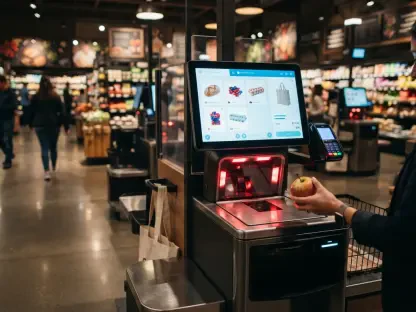
The primary catalyst for checkout errors in 2026 is the persistent use of legacy promotion engines that function in isolation. Most omnichannel retailers have inherited a patchwork of technologies over the last few years, utilizing one engine for physical stores, another for e-commerce, and a third for managing loyalty rewards. Because these systems often apply different logic for rounding cents or stacking multiple coupons, customers encounter the frustrating phenomenon of having one basket with two different totals. An offer that appears valid on a mobile app might be rejected by a brick-and-mortar terminal due to incompatible backend rules. This technical debt creates massive hurdles for store associates who must explain these discrepancies to confused shoppers. Without a single, centralized source of truth for promotional data, retailers cannot maintain the price consistency required to succeed in a market where shoppers move seamlessly between physical and digital storefronts.
Quantifying the Cost: Consumer Trust and Brand Loyalty
These technical inconsistencies have a measurable negative impact on consumer behavior and long-term brand reputation. Industry research indicates that a majority of shoppers believe pricing errors are far more frequent on sale items than on regularly priced goods, leading to a climate of skepticism at the register. A significant portion of consumers will abandon a retailer entirely after just one negative experience with inconsistent pricing, viewing the error as a lack of transparency or competence. This reliability gap does more than just lose an immediate sale; it creates an immense operational burden for corporate finance departments. These teams are forced to manually reconcile thousands of incorrect charges and manage a surge in customer service disputes that could have been avoided with better integration. The administrative cost of correcting these errors post-purchase often outweighs the profit margin of the original transaction, making system alignment a financial necessity.
Modernizing the Checkout: Integrating Marketing and Payments
Payment-Linked Incentives: Inverting the Checkout Flow
The traditional shopping sequence has been completely inverted by the rise of payment-linked incentives and Buy Now, Pay Later services. In the past, the price was finalized before the customer presented a payment method, but today, the payment method itself often dictates the final price of the goods. If the promotional logic is not deeply embedded within the payment stack, the system cannot account for these subsidies or discounts during the real-time authorization process. Modern consumers demand immediate transparency and will no longer accept the delayed gratification of statement credits or post-purchase rebates that were common in the early 2020s. To meet these expectations, retailers must implement infrastructure that identifies the tender type early in the checkout flow. This allows the system to recalculate the basket total dynamically, ensuring that the customer sees the correct, discounted price before they tap their phone or swipe their card to finalize the deal.
Technical Integration: Precision in Data and Reconciliation
To resolve these persistent issues, businesses are adopting a unified approach that treats promotional data with the same technical rigor as fraud detection. This strategy involves utilizing a centralized engine that provides a single point of calculation for all sales channels, ensuring that the same basket of goods always results in the same price regardless of where the purchase occurs. By recording discounts at the line-item level and carrying that specific data through the entire transaction lifecycle, retailers ensure that their financial reporting remains accurate even during complex scenarios. For instance, when a customer returns a single item from a multi-buy promotion, the system must accurately calculate the refund amount based on the original applied logic. Maintaining this level of detail prevents financial leakage and ensures that reconciliation between the point of sale, the payment gateway, and the merchant bank is seamless, protecting the bottom line from errors.
Strategic Evolution: The Future of Unified Commerce
The retail industry shifted its perspective to view promotion redemption not as a secondary marketing concern but as a core payment function. Leading organizations recognized that competition between digital wallets and card issuers required a more sophisticated approach to technical execution. Success in the competitive landscape of 2026 depended on the ability to guarantee that every eligible discount was applied accurately and instantly. Forward-thinking retailers moved away from siloed software, instead prioritizing integrated stacks that synchronized marketing promises with the actual movement of money. This transition resolved the friction that previously led to high cart abandonment rates and restored consumer confidence in automated checkout systems. By treating the correct price as the ultimate metric of a successful transaction, businesses finally bridged the gap between their promotional strategies and their technological capabilities. This alignment ensured that the shopping experience remained frictionless from the first click to the final authorization.