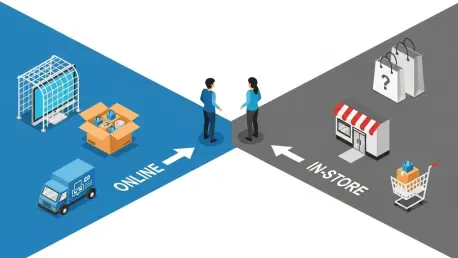

The legal structure of modern commerce has quietly shifted to favor those who shop from the comfort of their homes rather than walking through a traditional brick and mortar storefront. Online commerce has evolved beyond mere convenience, establishing a legal framework that grants consumers a superpower not available in physical stores. While many shoppers assume return policies are uniform across all retail sectors, the reality is a significant gap in legal mandates. This article explores the statutory advantages of digital shopping, the specific mechanisms that protect your wallet, and how to navigate the few exceptions that still favor the retailer.
The Hidden Disparity Between Digital and Physical Retail Rights
Modern consumerism relies on a foundation of trust, yet the law recognizes that this trust is harder to establish when the product is behind a screen. Because an online buyer cannot touch, feel, or test a product before payment, the law compensates for this uncertainty with robust cancellation rights. This create a landscape where the digital buyer is inherently more protected by the state than the person standing at a physical register.
Physical retail often relies on the buyer’s ability to inspect an item on the shelf. This leads to a scenario where a return for a non-faulty item is not a right but a privilege granted by the merchant. Understanding this hidden disparity is the first step in becoming a more strategic and protected consumer in an increasingly digital world.
Why the Point of Purchase Dictates Your Legal Safety Net
Historically, the buyer beware philosophy dominated retail, but modern consumer law has pivoted to protect those shopping from their screens. In-store shopping is legally viewed as a completed transaction where the buyer had the opportunity to inspect the goods. This leaves the consumer at the mercy of a store’s voluntary goodwill policies rather than any statutory requirements for refunds on items that are simply unwanted.
In contrast, the digital point of sale triggers specific protections designed to mitigate the risks of distance selling. The law acknowledges that photos and descriptions can be misleading, even without intent to deceive. Therefore, the moment a transaction occurs via a screen, a specialized safety net activates, ensuring that the consumer is not stuck with a purchase that fails to meet expectations upon arrival.
Navigating the Legal “Superpowers” of the Digital Consumer
Step 1: Exercising the Statutory 14-Day Cooling-Off Period
The most significant advantage of the digital marketplace is the mandatory reflection period that applies to almost every purchase. This period serves as a buffer, allowing the buyer to change their mind without needing to prove the item is defective or poorly described.
Understanding the Difference Between Faulty and Non-Faulty Returns
Online shoppers can return items simply for changing their mind, a right that does not legally exist for in-store purchases of non-defective goods. While a physical shop may offer a refund for a shirt that does not fit, they do so out of a desire for customer loyalty. Online, the retailer must comply with the law, regardless of their personal store policies regarding non-faulty merchandise.
Managing the 28-Day Total Window for Order Cancellation and Shipping
The legal process provides a dual-layer timeframe that effectively doubles the standard return window. A consumer has 14 days to notify a seller of their intent to cancel an order after receiving the goods. Once that notification is sent, the law provides an additional 14 days to physically return the item, creating a total 28-day window for the entire transaction to be reversed.
Step 2: Utilizing Transparency Tools for Informed Decision Making
Beyond the law, the digital environment provides structural advantages that allow for better vetting of products and sellers before a transaction occurs. Digital storefronts allow for a level of research that is physically impossible to conduct while standing in a store aisle.
Leveraging Peer Reviews and Instant Price Comparisons
Smart consumers use real-time data and customer feedback to avoid lemon products that would be harder to return if bought in a physical store. By reading through hundreds of verified experiences, a buyer can identify recurring flaws or sizing issues. This prevents the initial purchase of poor-quality goods, whereas a physical shopper might be swayed by flattering lighting or clever packaging.
Vetting Multiple Retailers Simultaneously to Minimize Risk
The ability to compare the goodwill policies of various digital storefronts alongside their statutory requirements ensures maximum financial protection. A consumer can choose a retailer that offers free return shipping or extended return windows on top of the legal minimum. This competition between digital platforms forces sellers to offer better terms to win over a cautious public.
Step 3: Recognizing the Critical Exceptions to Consumer Protection
While online shoppers have superior rights, those rights are not absolute and do not cover every category of merchandise. Navigating these limitations is essential to avoid being stuck with a non-refundable purchase.
Identifying Non-Returnable Perishable and Personalized Goods
Custom-made items, flowers, and food products are generally exempt from the cooling-off period to prevent retailer loss on unsellable inventory. Once a product is tailored to a specific name or starts to degrade, the statutory right to cancel vanishes. Consumers must be certain of these purchases before hitting the checkout button because the law protects the merchant in these specific instances.
Navigating Hygiene-Related Restrictions in Online Sales
Breaking a seal on certain health or beauty products can instantly void the right to a 14-day return under specific safety regulations. Items like earrings, swimwear, or sealed cosmetics fall under strict hygiene rules. If the packaging is tampered with, the seller is no longer obligated to accept a return, as the product can no longer be sold as new to another customer.
Key Takeaways for Maximizing Your Shopping Protections
The 14-day mandate ensures online buyers have a legal right to cancel for any reason, whereas in-store buyers only have a legal right to return faulty goods. By notifying a seller within the cooling-off period, you secure an extended 28-day timeframe to return the item for a full refund. Physical stores provide refunds for a change of heart only at their own discretion, meaning their policies can change without notice. Online platforms offer superior price transparency and peer vetting tools that physical aisles cannot match. Always double-check policies for personalized, perishable, or hygiene-sensitive items before completing the transaction.
How Evolving Consumer Protections Influence Global Retail Trends
The shift toward digital-first consumer rights drove a massive transformation in how brands interact with their customers. As e-commerce continued to dominate, physical retailers were forced to adopt more generous goodwill policies just to remain competitive with the legal protections of the internet. This trend suggested a future where consumer power was increasingly decentralized, placing the burden of proof and quality on the seller rather than the buyer. However, as shipping costs rose, some retailers began tightening the free return loophole, making it essential for shoppers to understand their statutory baseline.
Final Advice for the Savvy Modern Consumer
To protect finances effectively, a consumer had to view the point of sale as a strategic choice. Buying online provided a legal safety net that a physical shop simply could not match. Savvy shoppers kept digital receipts, monitored the 14-day cancellation window, and used their digital superpowers to mitigate market risks. This proactive approach allowed individuals to hold retailers to the high standards the law demanded. Future retail success depended on the consumer’s ability to leverage these statutory rights while remaining mindful of the evolving logistics of global trade.