
The modern checkout experience has shifted from a stationary transaction to a dynamic, mobile-driven journey that places power directly into the hands of the consumer. Mobile retail self-scanning represents a significant advancement in the retail sector, effectively bridging the gap between digital convenience and physical presence. This review explores the evolution of the technology, its key features, performance metrics, and the impact it has had on various applications. The purpose is to provide a thorough understanding of the technology, its current capabilities, and its potential future development.
The Evolution and Mechanics of Mobile Self-Scanning
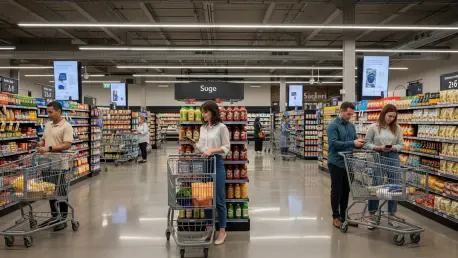
The concept of “Bring Your Own Device” (BYOD) has redefined the brick-and-mortar environment by turning personal smartphones into portable point-of-sale terminals. This shift eliminates the need for expensive, dedicated store hardware, as customers utilize their own processing power and connectivity. Behind the screen, sophisticated cloud-based inventory synchronization ensures that the digital basket perfectly mirrors the store’s stock levels in real-time.
This technological transition is more than a cost-saving measure; it is a response to the massive demand for frictionless retail. By integrating mobile applications directly into the shopping workflow, retailers have successfully blended digital and physical environments. This allows for a continuous data stream that was previously impossible with traditional checkout stands, creating a more responsive operational model.
Core Functionalities and Technical Performance
Smartphone-Integrated Scanning: Real-Time Budget Tracking
The primary interface of systems like Lidl & Go relies on high-speed camera-based recognition to register products instantly. Unlike older laser scanners, modern smartphone sensors can handle varying light conditions and damaged barcodes with high accuracy. This immediate feedback loop provides shoppers with an unprecedented level of price transparency, which is vital for maintaining financial control.
By monitoring a running total during the shopping trip, budget-conscious consumers can make informed decisions before reaching the final payment stage. This reduces the psychological stress associated with “bill shock” at the register. The seamless nature of the scanning interface ensures that the technical process does not distract from the physical act of selecting goods.
Loyalty Ecosystems: Data-Driven Reward Integration
Integrating self-scanning with established platforms like Lidl Plus has created a comprehensive ecosystem supporting over 120 million global users. The system leverages real-time basket data to trigger personalized digital coupons and rewards instantly. This technical synergy means that rewards are calculated and applied as the items are scanned, rather than at the end of the journey.
The back-end infrastructure handles massive amounts of concurrent data points to ensure that rewards are relevant to the current shopping trip. This level of personalization transforms a simple utility tool into a marketing powerhouse. It rewards the consumer’s effort in self-scanning with immediate, tangible savings, reinforcing brand loyalty through technical utility.
Innovations and Shifting Industry Trends
Current developments in the field emphasize a move toward omnichannel retail where the line between digital and in-store experiences is virtually nonexistent. Retailers are increasingly focused on creating a unified commerce experience, where a user’s online profile and in-store behavior inform each other. This trend is highlighted by industry benchmarks such as the RTIH Innovation Awards, which celebrate autonomy and speed.
Moreover, the removal of dedicated scanning hardware is a strategic shift to reduce maintenance overhead and streamline floor operations. By offloading the hardware requirement to the customer, stores can reallocate labor toward customer service and shelf management. This evolution reflects a broader industrial trend toward decentralized, user-managed technology within public spaces.
Real-World Applications and Global Implementation
The rollout of these systems across 32 countries, including specific expansions into Scotland and Southern England, demonstrates the scalability of the BYOD model. This global footprint allows for localized marketing strategies based on regional shopping habits. For instance, the data collected helps retailers refine stock management to meet the specific needs of different demographics.
Families particularly benefit from the personalized pace that self-scanning facilitates. It allows parents to manage their budget and items without the pressure of a traditional conveyor belt. These real-world applications prove that the technology is versatile enough to handle high-traffic urban centers as well as smaller, community-focused grocery locations.
Critical Challenges and Adoption Barriers
Despite the benefits, technical and security hurdles remain a significant concern, particularly regarding retail shrinkage and theft. To combat this, retailers implement robust “spot check” algorithms that select transactions for verification based on risk profiles. These systems must balance security with convenience, as excessive checks can lead to user frustration and abandonment.
Connectivity also presents a hurdle, as high-speed in-store Wi-Fi or cellular signal is essential for real-time synchronization. Furthermore, there is a risk of excluding demographics with limited smartphone literacy or older hardware. Developers are constantly working to mitigate these barriers through more intuitive AI-driven interfaces and improved offline scanning capabilities.
The Trajectory of Frictionless Retail
The future of self-scanning likely involves AI-powered shopping assistants that offer nutritional advice or recipe suggestions based on scanned items. We may see fully automated environments where sensors and computer vision eliminate the need for manual scanning altogether. Such breakthroughs in hyper-personalization could allow for individual pricing strategies based on a shopper’s loyalty status.
These advancements will eventually transform the traditional checkout lane into a historical relic. The retail workforce will shift from manual scanning tasks to more complex roles in store logistics and personalized customer support. This transition ensures that the physical store remains relevant by offering a level of service and speed that rivals purely digital platforms.
Final Assessment of Mobile Self-Scanning Technology
The efficiency and scalability of mobile self-scanning were confirmed through its successful global integration and high user adoption rates. The technology stood as a cornerstone of modern competitiveness, meeting the rigorous demands of a digital-first consumer base. It proved that empowering the shopper through personal devices was an effective way to streamline operations and enhance the overall experience.
Retailers that embraced this shift found themselves better equipped to handle the complexities of decentralized inventory and personalized marketing. The movement toward a frictionless environment became an essential part of the global retail infrastructure. Ultimately, mobile self-scanning functioned as a vital bridge, turning the smartphone into the most important tool in the physical store.