
The global retail industry is currently grappling with a staggering hundred percent increase in malicious cyber activities over the last three years, representing a fundamental shift from simple data harvesting to catastrophic operational paralysis. As traditional brick-and-mortar stores have evolved into sophisticated digital entities, the surface area for potential attacks has expanded exponentially, leaving many organizations struggling to keep pace with the evolving threat landscape. The recent surge in incidents highlights a transition where hackers are no longer satisfied with merely stealing credit card numbers; they are now focused on crippling the very infrastructure that allows a business to function on a day-to-day basis. This shift toward operational disruption means that a single successful breach can result in a total shutdown of services, leading to immediate financial losses and long-term brand damage. Consequently, cybersecurity has transitioned from a backend IT concern to a core business pillar that dictates whether a company can survive in the modern era.
Securing Consumer Intelligence and Financial Systems
Retailers are increasingly leveraging advanced artificial intelligence and machine learning to craft highly personalized shopping experiences, a trend that has inadvertently created massive repositories of consumer data. While these data-driven strategies are essential for maintaining a competitive edge in a saturated market, they also represent a high-value target for sophisticated threat actors who view these databases as digital goldmines. The financial implications of failing to protect this information have never been more severe, with potential regulatory fines and recovery costs now reaching upwards of ninety-one million dollars for major global enterprises. To mitigate these risks, organizations are being forced to adopt a more balanced approach that prioritizes data privacy alongside marketing innovation. This involves implementing rigorous encryption protocols and strict access controls to ensure that the sensitive information used to drive sales does not become the catalyst for a company’s downfall. Protecting these digital assets is now a mandatory requirement for maintaining consumer trust.
The payment infrastructure remains the most critical and vulnerable point within the retail ecosystem because it serves as the direct link between the consumer and corporate revenue streams. Modern cybercriminals have moved beyond traditional credit card skimming to more complex tactics such as manipulating real-time transaction flows and exploiting vulnerabilities within integrated point-of-sale systems. When these systems are compromised or forced offline, the financial impact is immediate and quantifiable, with some estimates suggesting that retailers can lose approximately twenty thousand dollars for every single hour their payment processing remains unavailable. This level of financial risk makes cyber resilience an absolute necessity for maintaining long-term stability and ensuring that cash flow remains uninterrupted during a crisis. Business leaders are realizing that investing in secure payment gateways and redundant processing systems is not just a defensive measure, but a strategic investment that protects the bottom line from the unpredictable nature of modern digital warfare.
Mitigating Human Vulnerability and External Dependencies
Despite the rapid advancement of automated security technologies, the human element continues to be one of the most significant challenges facing the retail sector today. Employees often remain the weakest link in the security chain, with simple mistakes such as using weak passwords or falling victim to targeted phishing schemes accounting for a vast majority of successful breaches. However, the nature of these social engineering attacks has become significantly more sophisticated, with hackers now utilizing generative artificial intelligence to create convincing deepfakes and voice clones. These tools allow attackers to impersonate high-level executives or trusted colleagues on internal collaboration platforms, exploiting psychological trust to gain unauthorized access to sensitive systems. Addressing this threat requires a comprehensive shift in corporate culture where continuous security training is integrated into the daily workflow. By educating staff on how to recognize these advanced tactics, companies can build a human firewall that complements their existing technical defenses.
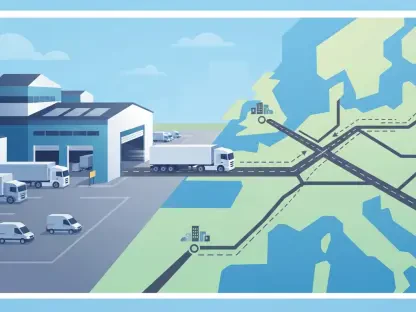
There remains a concerning disconnect between the actual threats posed by third-party supply chains and the level of priority these risks receive from retail executives. While recent data suggests that nearly a third of all major cyberattacks originate from external partners like logistics providers or cloud service vendors, only a small percentage of business leaders view this as their primary security concern. This oversight creates a dangerous blind spot, as a security breach at a single critical vendor can trigger a domino effect that halts inventory management and order processing across an entire enterprise. The interconnected nature of modern retail means that a company is only as secure as the weakest link in its broader network of partners. To address this vulnerability, retailers must implement more stringent vetting processes and continuous monitoring of their third-party ecosystems. Ensuring that every external partner adheres to high security standards is no longer optional; it is a vital component of a holistic defense strategy that accounts for the reality of global trade.
Developing Robust Defenses and Future Readiness
The path forward required a fundamental reassessment of how retail organizations approached their defensive postures in an increasingly hostile digital environment. Leaders recognized that relying on legacy systems was no longer a viable strategy and instead prioritized the implementation of Zero Trust architectures that verified every user and device within the network. This shift allowed businesses to isolate potential breaches before they could escalate into full-scale operational disasters, thereby preserving continuity even under duress. Organizations also invested heavily in robust incident response plans that were regularly tested through simulated attack scenarios, ensuring that every department knew exactly how to react when a threat materialized. Furthermore, the integration of advanced threat intelligence helped companies stay ahead of emerging trends, allowing them to proactively patch vulnerabilities before they could be exploited. By treating cybersecurity as a dynamic and ongoing process rather than a static goal, the industry moved toward a more resilient future where technology served as a secure foundation for growth.
The transition toward a proactive security model also involved a significant emphasis on supply chain transparency and the standardization of security audits for all external vendors. Retailers began to realize that their internal defenses were only half of the equation, necessitating a collaborative approach to cybersecurity that extended beyond their own corporate perimeters. This led to the adoption of shared threat intelligence platforms where industry peers could exchange information about active campaigns in real-time, effectively neutralizing threats before they could spread across the sector. Additionally, the focus shifted toward building business continuity plans that prioritized the restoration of essential services within minutes rather than days. By embedding security into every level of the organizational hierarchy, companies ensured that they were prepared for the complexities of an increasingly digital marketplace. This comprehensive strategy ultimately transformed cybersecurity from a reactive expense into a resilient competitive advantage.