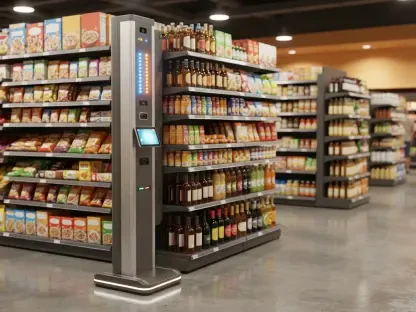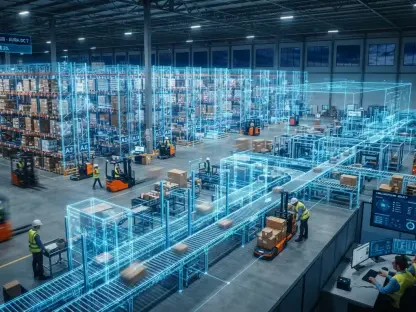

The rapid disappearance of traditional, clunky hardware from retail storefronts signals more than just a change in aesthetic; it represents the total dominance of cloud-native systems in the global marketplace. As the retail landscape continues its dramatic transformation, the legacy cash register has officially been relegated to history, replaced by dynamic Cloud Point of Sale (POS) environments that serve as the fundamental backbone of modern commerce. This architecture does significantly more than merely process transactions; it functions as a centralized intelligence hub that synchronizes inventory levels, detailed sales records, and complex customer data in real-time across multiple channels. By migrating core operations to internet-hosted servers, retailers have gained the ability to manage vast enterprises from virtually any location, effectively turning every smartphone, tablet, and web-enabled device into a high-powered management terminal. This momentum is supported by a massive redirection of capital, with the global cloud POS market projected to reach a staggering $36 billion by 2033. Recent industry data confirms that a vast majority of successful retailers now prioritize POS infrastructure upgrades as their primary operational objective. This transition is not a fleeting trend but a strategic move toward building a resilient, scalable foundation capable of handling the high-volume transactions and intricate logistical demands of the modern era.
The Architectural Shift: Moving From Legacy To Cloud-Native
The transition from legacy on-premise systems to cloud-native platforms represents a fundamental evolution in how data flows through a retail organization. In the older model, businesses often struggled with the restrictive nature of “data silos,” where critical information remained trapped on local hard drives or specific in-store servers. This isolation made it nearly impossible for management to gain a comprehensive, real-time view of the business across different locations or digital storefronts. Cloud-native systems have effectively dismantled these barriers by utilizing a distributed network that ensures every single transaction is immediately recorded and reflected across every platform the business utilizes. Whether a purchase happens at a physical counter, a pop-up kiosk, or through a mobile application, the centralized database updates instantly. This connectivity eliminates the risk of overselling and provides a level of transparency that was previously unattainable for small and medium-sized enterprises. Consequently, the ability to act on accurate data has become a primary differentiator for brands looking to maintain a competitive edge in a crowded market.
Furthermore, the cloud model has revolutionized the way technology is maintained and updated within the retail sector. Previously, software updates and security patches were labor-intensive processes that often required on-site visits from specialized IT technicians, leading to significant downtime and mounting expenses. Modern cloud systems operate on a Software as a Service (SaaS) framework, which allows providers to push critical updates and new features automatically through the web. This ensures that every store location, regardless of its geographic distance from headquarters, always operates on the most current version of the software with the latest security protocols in place. This “always-current” nature of cloud POS systems removes the burden of technical maintenance from the retailer, allowing them to focus entirely on customer engagement and business growth. Moreover, because these systems are hosted on enterprise-grade servers managed by professionals, the level of uptime and performance far exceeds what a local server could realistically provide. This shift to a subscription-based, managed service model has turned IT from a reactive cost center into a proactive driver of efficiency and innovation.
Operational Excellence: Achieving Real-Time Visibility And Staff Proficiency
One of the most profound advantages of modern cloud-based technology is its decisive solution to the persistent “phantom inventory” problem. For years, retailers were plagued by discrepancies between what their computer systems showed and what was actually present on the shelves, leading to lost sales and frustrated shoppers. By implementing perpetual inventory tracking, cloud POS systems ensure that stock levels are perfectly synchronized across warehouses, distribution centers, and physical storefronts at every second of the day. This level of real-time visibility allows for the seamless execution of advanced fulfillment strategies, such as buying online and picking up in-store (BOPIS) or shipping directly from a retail location to a customer’s home. These methods have become essential for meeting consumer expectations for speed and convenience, and they significantly boost revenue by turning every store into a mini-fulfillment center. Without the real-time data provided by the cloud, these complex logistical maneuvers would be prone to frequent errors and logistical bottlenecks that could damage a brand’s reputation.
Beyond the technicalities of inventory management, the intuitive nature of cloud-native interfaces has transformed the human element of retail operations. Modern POS systems are typically designed with a mobile-first philosophy, utilizing touch-based layouts that are familiar to anyone who has used a modern smartphone. This familiarity is a major factor in reducing the “time to proficiency” for new hires, which is critical in an industry often characterized by high staff turnover. Training that once took days or weeks can now be completed in a matter of hours, as the software guides employees through the checkout process with minimal friction. This ease of use also translates to a much faster checkout experience for the customer, as staff can quickly navigate menus, apply discounts, and process payments without getting bogged down by a convoluted interface. In an era where consumer patience is at an all-time low, the ability to move customers through the line quickly and accurately is a vital component of the overall shopping experience. By lowering the technical barrier to entry, retailers are able to deploy their staff more effectively, focusing on salesmanship and customer service rather than troubleshooting software.
Financial Strategy: Optimizing The Total Cost Of Ownership
From a financial perspective, the migration to cloud POS infrastructure offers a much more compelling Total Cost of Ownership (TCO) than the traditional setups of the past. While legacy systems required heavy upfront investments in specialized hardware, local servers, and expensive licensing fees, the cloud model shifts these costs into a more manageable operational expense. The elimination of local server maintenance, the reduction in specialized IT support staff, and the mitigation of expensive system downtime result in substantial long-term savings for the business. Many retailers have discovered that by moving to the cloud, they can reallocate their capital toward marketing initiatives, store expansions, or product development rather than simply maintaining aging hardware. This financial flexibility is particularly important for growing brands that need to scale their operations quickly without incurring massive debt. The predictability of monthly subscription fees also makes budgeting much simpler, as there are fewer unexpected repair costs or emergency service fees associated with keeping the system operational during peak shopping periods.
In the eyes of the modern consumer, there is no longer any meaningful distinction between a company’s digital presence and its physical storefronts. Cloud POS systems support this reality by creating unified customer profiles that bridge the gap between various shopping channels. When a customer enters a store, a staff member can instantly access their entire history, including online purchases, past returns, and loyalty program status. This level of insight allows for a highly personalized shopping experience, where recommendations can be made based on actual data rather than guesswork. It also simplifies logistical hurdles, such as processing a return for an item bought online, turning what used to be a frustrating technical ordeal into a seamless, positive interaction. By unifying the customer experience, retailers are able to foster deeper brand loyalty and increase the lifetime value of their customer base. This integration ensures that the brand presents a single, cohesive face to the world, regardless of how or where the customer chooses to interact with them, which is essential for success in a fragmented retail environment.
Reliability And Security: Protecting Data In A Connected World
A frequent point of discussion regarding cloud-based systems has been their dependence on a stable internet connection, but modern solutions have effectively neutralized this concern. Developers have introduced sophisticated offline workflows and “asynchronous syncing” capabilities that allow a business to continue processing transactions even if the local network experiences a failure. During an outage, the system queues all sales data locally on the device and then automatically synchronizes it with the central cloud server as soon as the connection is restored. This ensures that the business never misses a sale and that inventory counts remain accurate even during temporary technical glitches. This level of redundancy has provided retailers with the peace of mind needed to fully commit to the cloud, knowing that their ability to generate revenue is not tied to the reliability of a single internet service provider. The evolution of these offline modes has made cloud systems every bit as reliable as their on-premise predecessors, while offering all the benefits of a connected environment.
Security remains a top priority for any business handling sensitive financial data, and cloud providers offer a level of protection that few independent retailers could afford to implement on their own. These platforms are built within professional data centers that adhere to the strictest international security standards, including advanced encryption and multi-factor authentication. By centralizing data in these highly secure environments, retailers reduce the risk of a local data breach that could occur if sensitive information were stored on an unmanaged in-store computer. Furthermore, cloud POS systems provide granular permission controls, allowing owners to define exactly what each employee can see and do within the system. This means that sensitive actions, such as issuing large refunds or accessing detailed financial reports, are restricted to authorized management personnel. This combination of high-level infrastructure security and precise internal controls creates a robust defense against both external cyber threats and internal fraud. As data privacy regulations continue to tighten globally, having a POS provider that handles compliance and security updates is a massive strategic advantage.
Integrated Growth: Building An Ecosystem For Future Scalability
The most successful retailers have recognized that a cloud POS is not just a tool for taking payments, but a central hub for a much larger ecosystem of business applications. Through the use of advanced Application Programming Interfaces (APIs), these systems connect seamlessly with accounting software, email marketing platforms, and workforce management tools. This interconnectedness allows for the automation of repetitive tasks, such as exporting sales data to an accounting program or updating a customer’s loyalty points after a purchase. The ability to “plug and play” different services means that a retailer can build a customized technology stack that perfectly fits their specific needs without having to build custom software from scratch. This flexibility is a key driver of innovation, as it allows businesses to experiment with new technologies, such as AI-driven demand forecasting or automated marketing campaigns, with minimal technical friction. By placing the cloud POS at the center of their operations, retailers have created a modular foundation that can grow and change along with their business.
In looking back at the strategic decisions that shaped the current retail landscape, the prioritization of extensibility and integration proved to be the most critical factor for long-term success. Organizations that proactively replaced their rigid, isolated legacy systems with cloud-native architectures were the ones that managed to expand into new markets with minimal overhead. They utilized the rapid deployment capabilities of the cloud to launch pop-up shops and temporary installations in record time, maintaining a consistent brand experience across every touchpoint. These leaders also invested heavily in training their teams to leverage the data-rich environments provided by their POS systems, turning frontline staff into informed brand ambassadors. By focusing on the total cost of ownership and the security of their data, they protected their margins and built lasting trust with their customers. The path forward required a commitment to constant technological evolution and a willingness to abandon the “if it isn’t broken, don’t fix it” mentality that once held the industry back. Those who embraced the cloud as a central nervous system for their enterprise found themselves better positioned to navigate the complexities of a globalized, digital-first economy.