
While the global retail landscape grapples with the rise of virtual marketplaces, Japan is currently witnessing a profound resurgence of physical storefronts that act as curated sanctuaries of culture and craftsmanship. This evolution marks a departure from the traditional shopping experience, transforming mundane commercial transactions into meaningful social engagements. The modern Japanese retail environment is no longer defined by the mere exchange of goods but by the creation of specialized spaces that resonate with the identity and aspirations of a discerning public. By analyzing six pioneering concept stores, industry experts can observe a broader shift toward a retail philosophy that prioritizes depth, history, and community over high-volume turnover.
The Metamorphosis of Japanese Retail: From Transactional Shops to Cultural Hubs
Defining the Scope and Significance of the Modern Experiential Market
The current metamorphosis of the Japanese retail sector is characterized by a transition toward experiential commerce, where the physical site serves as a vital component of brand storytelling. This shift is particularly evident in urban centers where consumers are increasingly seeking out third places that offer a sense of belonging and artistic stimulation. The scope of this market has expanded to include everything from high-street convenience stores to industrial foundries, all of which are now competing to provide a unique atmosphere that cannot be replicated through a screen. Consequently, the significance of a store is now measured by its cultural impact and its ability to act as a destination for like-minded individuals.
This experiential trend is rooted in the Japanese concept of place-making, which seeks to integrate the storefront into the existing fabric of the local community. Rather than imposing a generic corporate identity, modern retailers are adapting their designs to reflect the specific history and character of their neighborhoods. This localized approach ensures that the commercial space feels like an organic extension of the city, fostering a deeper emotional connection with the consumer. As this model gains traction, the traditional distinction between a shop and a cultural institution continues to blur, creating a more integrated and vibrant urban retail ecosystem.
Key Players and the Integration of Advanced Digital-to-Consumer Models
Several key players are leading this transformation by successfully blending digital-to-consumer strategies with sophisticated physical presences. Brands like OAO and Goyemon have utilized their digital foundations to build a loyal following before establishing high-concept showrooms that serve as the physical manifestation of their brand values. These stores are not just places to purchase items; they are creative laboratories where the tactile properties of the products are highlighted through thoughtful interior design. By integrating online data with physical touchpoints, these brands are able to offer a personalized experience that caters to the specific preferences of their core audience.
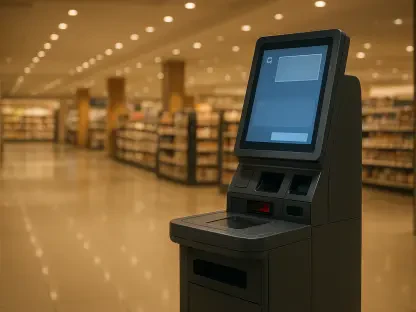
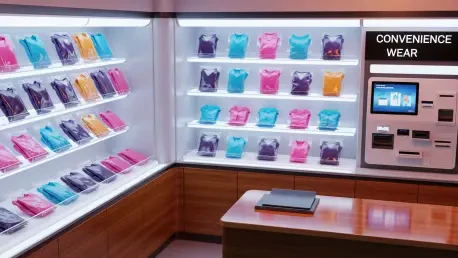
The integration of advanced digital models is also visible in the mass-market sector, where companies like FamilyMart are redefining the potential of the convenience store. The Convenience Wear project, directed by high-profile designers, demonstrates how high-fashion sensibilities can be brought to a wide audience through a vast network of physical locations. This model utilizes smart inventory management and unmanned retail technology to maintain efficiency while offering a premium product experience. This synergy between digital logistics and physical accessibility illustrates how modern Japanese retail is leveraging technology to enhance, rather than replace, the traditional shopping journey.
Strategic Shifts in Consumer Engagement and Market Growth Indicators
The Ascendance of Spatial Storytelling and Community-Centric Retail Trends
Spatial storytelling has emerged as a dominant force in Japanese retail, with stores using architecture and texture to communicate their mission. For instance, the OAO Haus in Kyoto utilizes charred cedar and ancient roof tiles to create a space that feels both grounded in tradition and strikingly futuristic. This approach allows the brand to convey its dedication to craftsmanship without relying on traditional advertising. By curating an environment that appeals to the senses, retailers are able to create a memorable experience that encourages customers to linger and engage with the brand on a more profound level.
Furthermore, community-centric retail trends are reshaping the way brands interact with their local environments. The 4BFC Sendagaya store serves as a prime example, positioning itself as a clubhouse for football enthusiasts rather than a conventional apparel shop. By hosting events and producing niche publications, the store fosters a vibrant subculture that extends far beyond the physical walls of the shop. This focus on building a community around a shared passion creates a level of brand advocacy that is incredibly resilient, as consumers feel they are participating in a movement rather than simply purchasing a product.
Quantifying Innovation Through Performance Metrics and Economic Projections
The economic impact of these innovative retail models is increasingly evident in the performance metrics of leading companies. The Convenience Wear line at FamilyMart, for example, has seen significant growth, with projections suggesting sales figures could reach twenty billion yen in the coming years. This success indicates a strong market appetite for high-design products that are accessible within a daily routine. Retailers are also measuring success through engagement metrics such as dwell time and community participation, which often correlate with long-term brand loyalty and increased lifetime value per customer.
Economic projections for the experiential retail sector remain positive, as more brands adopt the micro-complex model to diversify their revenue streams. By combining retail with hospitality, such as the cafes and restaurants found in the Vermicular and Sotogawa to Nakami complexes, businesses can maximize the utility of their physical space. This diversification not only provides a buffer against market fluctuations but also creates multiple entry points for new customers. The continued growth of these hybrid models suggests that the market for specialized, high-touch retail will remain a significant driver of the Japanese economy for the foreseeable future.
Navigating the Complexities of High-Touch Physical Commerce
Identifying Structural and Operational Obstacles in Niche Retail
Operating a high-concept retail space presents a unique set of structural and operational challenges that differ significantly from traditional commercial models. One of the primary obstacles is the high cost of maintaining a specialized physical presence, particularly in premium locations such as Shibuya or Gion. The investment required for custom architectural elements and high-quality materials can be substantial, necessitating a careful balance between artistic ambition and financial reality. Additionally, the need for highly trained staff who can act as brand ambassadors and provide expert knowledge adds another layer of operational complexity.
Another challenge involves the logistical difficulties of maintaining a niche inventory while ensuring a seamless customer experience. For brands that focus on craftsmanship and limited-run items, managing supply chains to meet the demands of a physical showroom can be a delicate process. Furthermore, the specialized nature of these stores can sometimes limit their appeal to a broader audience, making it difficult to achieve the scale necessary for mass-market success. Identifying these obstacles is crucial for any brand looking to enter the experiential market, as it requires a strategic approach to both design and operations.
Strategic Solutions for Balancing Artistic Vision with Commercial Viability
To overcome these obstacles, many Japanese retailers are adopting strategic solutions that prioritize commercial viability without compromising their artistic vision. One effective approach is the use of the showroom model, where the physical store focuses on brand building and product education while the majority of sales are handled online. This reduces the need for large on-site inventories and allows the retail space to be more experimental and less focused on immediate transactions. By decoupling the physical site from the traditional warehouse function, brands can invest more in the quality of the customer experience.
Collaborations with established infrastructure providers also offer a pathway to commercial success for smaller, niche brands. By partnering with larger corporations or local governments, concept stores can gain access to prime real estate and advanced logistics networks that would otherwise be out of reach. This collaborative model allows for a sharing of risks and rewards, enabling innovative concepts to flourish within a more stable economic framework. Ultimately, the most successful retailers are those that can navigate the tension between their creative identity and the practical demands of the modern marketplace.
The Regulatory Environment and Standards Governing Modern Retail Spaces
Compliance Frameworks for Hybrid Manufacturing and Public-Facing Concepts
The rise of hybrid retail spaces, where manufacturing and public-facing activities occur in the same location, has necessitated a more nuanced approach to compliance and regulation. Brands like Vermicular, which combine industrial foundries with restaurants and shops, must navigate a complex landscape of zoning laws and safety standards. Ensuring that a heavy industrial process can safely coexist with a high-end dining experience requires rigorous adherence to health and safety protocols. These compliance frameworks are essential for maintaining public trust and ensuring the long-term sustainability of the hybrid model.
Moreover, the regulatory environment in Japan is evolving to accommodate the unique needs of these creative hubs. Local authorities are increasingly recognizing the value of factory shops and craft centers in revitalizing regional economies and are offering more flexible zoning arrangements to support them. This shift allows manufacturers to open their processes to the public, fostering transparency and building a stronger connection between the maker and the consumer. As these regulatory standards continue to adapt, it will become easier for industrial brands to transition into the retail space, further enriching the diversity of the Japanese market.
Legal Considerations for Unmanned Retail and Smart Convenience Technology
As unmanned retail and smart technology become more prevalent in the Japanese convenience sector, a new set of legal considerations has emerged. Privacy concerns regarding the use of facial recognition and data collection are at the forefront of the regulatory discussion. Retailers must ensure that their technological implementations are transparent and comply with strict data protection laws to maintain consumer confidence. Additionally, the legal frameworks governing theft prevention and age-restricted sales in unmanned environments are being refined to address the unique challenges of a clerkless storefront.
The implementation of smart retail also requires careful consideration of labor laws and the role of technology in the workforce. While unmanned stores offer significant efficiency gains, they also raise questions about the future of employment in the retail sector. Regulatory bodies are currently working to find a balance that encourages technological innovation while protecting the rights and livelihoods of retail workers. Navigating these legal complexities is a critical task for any company looking to deploy smart technology on a large scale, as it requires a proactive approach to both legal compliance and social responsibility.
Charting the Trajectory of Japan’s Retail Innovation on the Global Stage
Potential Market Disruptors and the Influence of Generational Shifts
The future trajectory of Japanese retail is being heavily influenced by generational shifts, with Gen Z consumers leading the demand for authenticity and sustainability. This demographic is less interested in mass-produced goods and more drawn to brands that can demonstrate a clear sense of purpose and a commitment to craftsmanship. This change in consumer behavior is acting as a major market disruptor, forcing traditional retailers to rethink their strategies and adopt more specialized, high-concept models. Brands that fail to align with these values risk becoming obsolete in a market that increasingly prizes ethical production and unique brand identities.
Furthermore, the rise of digital-native brands and the continued evolution of social media are altering the way products are discovered and consumed. The influence of online communities and niche influencers means that a store’s reputation can be built or destroyed almost overnight. This environment requires a high degree of agility and a willingness to constantly innovate and adapt to new trends. As generational preferences continue to evolve, the most successful retailers will be those that can remain authentic to their roots while staying attuned to the changing desires of a younger, more socially conscious audience.
Emerging Opportunities for Global Expansion and Industrial Revitalization
The success of Japan’s concept stores has opened up significant opportunities for global expansion, as international consumers seek out the unique blend of tradition and modernity that Japanese brands offer. Concepts like the elevated convenience store or the industrial factory shop have the potential to resonate in global markets where consumers are looking for more meaningful retail experiences. By exporting these models, Japanese brands can tap into new revenue streams and establish themselves as leaders in the global experiential market. This expansion also serves as a platform for showcasing Japanese craftsmanship and design to a wider audience.
In addition to global expansion, the retail innovation seen in cities like Tokyo and Kyoto is playing a vital role in industrial revitalization across Japan. By transforming traditional manufacturing sites into public-facing destinations, regional foundries and craft workshops are finding new life and relevance. This movement is not only preserving important cultural heritage but is also creating new economic opportunities in areas that have historically struggled to compete with urban centers. The revitalization of these industrial sectors demonstrates the power of retail as a catalyst for broader social and economic change, offering a promising future for Japan’s traditional industries.
Final Assessment: The Enduring Value of Authenticity in the Digital Age
Synthesizing the Impact of Pioneering Concept Stores on Global Retail
The analysis of pioneering concept stores in Japan highlighted a significant shift in the global retail paradigm, where the physical environment became as important as the product itself. These establishments demonstrated that even in an era dominated by digital convenience, the desire for tactile engagement and social connection remained a powerful driver of consumer behavior. By synthesizing elements of art, hospitality, and traditional craftsmanship, Japanese retailers created a new standard for excellence that influenced brand strategies across the world. The transition toward these high-concept hubs successfully proved that the physical store could serve as a vital cultural asset rather than just a point of sale.
The impact of these stores was also felt in how brands communicated their identities, moving away from loud marketing in favor of subtle, environmental storytelling. This approach resonated with a global audience that increasingly valued authenticity and transparency in their commercial interactions. The success of these Japanese models underscored the importance of place-making and community building in the modern retail landscape. Ultimately, the pioneering efforts of these six concept stores redefined the expectations for what a physical shop could achieve, paving the way for a more thoughtful and human-centric approach to global commerce.
Strategic Recommendations for Future Investment and Brand Development
Based on the observations of the Japanese retail market, future investment should prioritize the development of hybrid spaces that integrate retail with community-focused amenities. Brands that invested in the creation of third places found higher levels of customer retention and brand advocacy compared to those that focused solely on transactional efficiency. It was also recommended that businesses look toward localizing their designs and operations to better align with the cultural and historical context of their locations. This strategy not only enhanced the aesthetic appeal of the store but also fostered a more resilient relationship with the local population.
Furthermore, brand development should focus on the seamless integration of digital and physical touchpoints to create a cohesive omnichannel experience. The most successful ventures utilized data to inform their physical presence while maintaining a high-touch, sensory environment that digital platforms could not replicate. Future strategies should also consider the ethical and social implications of their operations, as the demand for sustainability and authenticity continued to grow. By prioritizing craftsmanship, transparency, and community engagement, brands can secure their position in a competitive market and ensure long-term growth in the evolving landscape of global retail.