
Opening a parcel only to find a single lipstick tube swimming in a sea of plastic pillows inside a box designed for a kitchen appliance is a frustratingly common experience for modern consumers. This phenomenon, colloquially known as shipping air, represents a massive logistical failure that has persisted despite the rapid technological advancements seen in other sectors of the global supply chain. When an item is placed in a container far larger than its physical dimensions, the resulting inefficiency creates a ripple effect that touches every stage of delivery, from the warehouse floor to the final mile at the doorstep. This practice is not merely an aesthetic annoyance; it is a significant drain on corporate resources and a primary obstacle to achieving true environmental sustainability. As the volume of global e-commerce continues to reach unprecedented heights in 2026, the cumulative impact of these oversized parcels has forced a necessary reckoning within the logistics industry regarding space utilization.
The Environmental and Economic Consequences of Wasted Space
Carbon Emissions: The Invisible Toll of Excess Volume
When a shipping container or a delivery van is filled with oversized boxes, it reaches its volumetric capacity long before it hits its weight limit, a situation logistics experts refer to as cubing out. Because the vehicle is physically full, yet mostly containing air, the carrier is forced to deploy additional trucks or flights to move the remaining cargo that could have fit if the packaging were properly sized. This inefficiency directly increases the total number of miles traveled, leading to a substantial and unnecessary spike in fuel consumption across the global transport network. The resulting carbon emissions represent a significant setback for companies striving to meet the stringent climate regulations and net-zero goals that define the corporate landscape of 2026. Every unnecessary trip taken by a freight vehicle because of poorly managed space contributes to atmospheric degradation, making the logistics sector one of the most difficult industries to decarbonize.
Material Waste: The Legacy of Non-Recyclable Fillers
The reliance on oversized boxes necessitates the use of void fill materials such as air pillows and foam peanuts to prevent products from shifting during transit. While these materials are effective at protecting contents, they are predominantly made from petroleum-based plastics that are notoriously difficult to recycle through municipal systems. Consequently, the vast majority of this packaging waste ends up in landfills, creating a long-term ecological burden that persists for centuries. The production of these fillers itself requires significant energy and raw resources, further inflating the carbon footprint of every order fulfilled. In an era where consumers are increasingly sensitive to the environmental impact of their shopping habits, the sight of excessive plastic waste can damage a brand’s reputation. Moving away from these materials requires not just better fillers, but a complete rethinking of how box dimensions are selected to eliminate the need for such excessive interior padding.
Root Causes and Strategic Shifts in Distribution
Operational Speed: The Conflict of Velocity and Precision
Warehouse operations are often judged by their throughput and speed, leading many high-volume retailers to prioritize the fast selection of a few standardized box sizes over custom packaging. For staff working in high-pressure fulfillment centers, grabbing a one-size-fits-many container is significantly faster than calculating the optimal dimensions for a multi-item order. This focus on immediate efficiency at the packing station simplifies inventory management, as maintaining only three or four box types reduces complexity and storage requirements. However, this narrow view of efficiency overlooks the massive downstream costs associated with transporting air and the environmental damage caused by excessive waste. The trade-off between the seconds saved during the packing process and the hours of additional transport time required for oversized parcels is becoming difficult to justify. Modern logistics systems must therefore evolve to integrate automated solutions that can provide speed and accuracy.
Volumetric Pricing: The Financial Motivation for Change
To combat the trend of inefficient packaging, major shipping carriers have implemented dimensional weight pricing models that charge businesses based on the volume a package occupies rather than just its weight. This financial deterrent is designed to encourage shippers to minimize box sizes and maximize cargo density, yet many organizations continue to absorb these extra costs as a built-in expense of doing business. The gap between the carrier’s pricing strategy and the shipper’s operational habits creates a persistent economic friction that prevents the supply chain from becoming fully optimized. In the current economic climate of 2026, rising fuel prices and labor costs are making it harder for companies to ignore these penalties, forcing a shift toward data-driven packaging solutions. By aligning their fulfillment strategies with the realities of volumetric pricing, businesses can unlock significant savings while simultaneously reducing their environmental impact and operational costs.
Technological Innovations: The Era of Custom Packaging
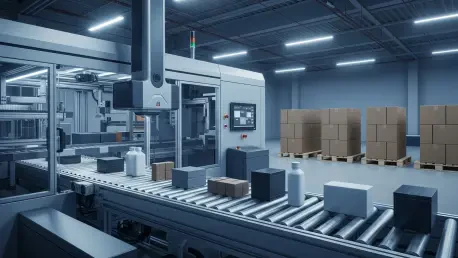
The most effective response to the problem of shipping air involves the adoption of on-demand packaging technology that creates custom-fitted boxes for every unique order in real-time. These automated systems use 3D scanning to measure the dimensions of items and then cut, fold, and glue a cardboard container that matches those dimensions precisely. By eliminating the gap between the product and the box, these machines remove the need for most void fill materials and significantly increase the load factor of transport vehicles. This technology allows companies to ship more products in fewer trips, directly lowering fuel costs and carbon emissions while improving the overall customer experience. As these systems become more accessible and cost-effective throughout 2026, they are transforming the warehouse from a place of standardized boxes into a hub of bespoke manufacturing. This shift toward right-sized packaging represents the most promising path forward for an industry balancing global trade and ecological preservation.
Future Considerations: Implementing Sustainable Logistics
Leaders across the logistics sector took decisive action by initiating comprehensive audits of their packaging workflows to identify the most persistent sources of wasted space. Organizations successfully integrated advanced analytics to monitor volumetric efficiency across their entire distribution network, allowing for real-time adjustments to packing protocols. These businesses moved toward a collaborative model with carriers, sharing data to optimize vehicle loads and reduce the frequency of half-empty shipments. Investment in automated, on-demand box-making machinery became a standard practice for high-volume fulfillment centers, providing a clear return on investment through reduced material costs and lower shipping fees. Furthermore, the transition toward biodegradable void fill options addressed the remaining waste concerns that custom packaging could not entirely eliminate. By prioritizing the reduction of shipping air, the industry moved closer to a circular model where every cubic inch of transport capacity was utilized fully.