
Data from ABN AMRO suggests that while most retailers have faced cybercrime, only a small fraction possess a formal response plan for systemic shutdowns. This reality became painfully apparent when a major cyber incident recently targeted Ahold Delhaize, specifically impacting its Dutch subsidiary, Albert Heijn, and causing a ripple effect throughout the European food sector. By forcing the preventive shutdown of several critical IT systems, the company sought to isolate the threat, but in doing so, it inadvertently demonstrated the precarious nature of a supply chain that relies almost entirely on digital synchronization. Modern grocery retail has evolved into a high-tech operation where data is as essential as the physical inventory it manages. When the digital backbone of the nation’s largest supermarket chain was severed, the immediate consequence was a breakdown in the logistical and administrative processes that keep the population fed, highlighting a single point of failure with national security implications. This event serves as a definitive case study in how technological vulnerability can manifest as physical scarcity in a matter of hours.
The Immediate Impact on Retail Infrastructure
Logistics and Distribution Under Siege
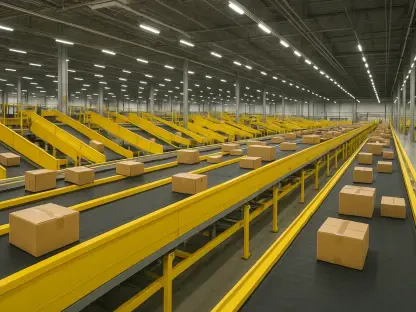
The sudden freezing of IT operations led to a near-total standstill across the massive distribution network that serves the Netherlands. With six out of seven major distribution centers halted, the flow of goods to hundreds of physical stores was severed almost instantly, revealing the inherent risks of the high-efficiency models used today. The “just-in-time” delivery system, which minimizes storage costs by timing arrivals exactly when they are needed, turned into a liability when the software governing those schedules went offline. Because supermarkets rely on multiple daily restocks to maintain inventory levels, any delay in the digital scheduling of truck routes and load assignments manifests as empty shelves with startling speed. The failure was not just in the movement of goods, but in the visibility of the inventory itself, as warehouse management systems were unable to track what was available or where it needed to be sent.
The disruption quickly rippled back to the primary producers and agricultural suppliers who provide the literal foundation of the food supply. Orders from entities linked to the supermarket giant were slashed significantly as the company struggled to manage the incoming flow of goods without a functioning digital interface. This created immediate economic pressure on farmers and growers, particularly those dealing with highly perishable items like berries, leafy greens, and dairy products. While communication between the retailer and its partners remained professional, the inability to move volume meant that fresh food risked going to waste at the source while consumers simultaneously faced shortages at their local stores. This disconnect between a surplus at the farm and a deficit in the city illustrated how the modern food supply is less about the physical existence of food and more about the digital permissions required to move it.
Consumer Experience and Product Scarcity
In major urban hubs like Amsterdam, Rotterdam, and Utrecht, the impact on shoppers was visible within a single business cycle, with fresh produce sections being the first to show signs of depletion. Items with short shelf lives disappeared rapidly because the automated replenishment systems that trigger new orders based on point-of-sale data were completely unresponsive. While shelf-stable goods like canned items and pasta remained available due to larger existing buffer stocks, the visual of bare produce aisles sparked immediate concerns about the resilience of urban food access. This situation forced many store managers to seek alternative sourcing methods, though these localized efforts were largely insufficient to replace the massive volume typically provided by the centralized distribution hubs that characterize the Dutch retail landscape.
Beyond physical inventory, the digital ecosystem that modern shoppers rely on for convenience and savings completely evaporated during the crisis. The Albert Heijn website and mobile app were taken offline as a precaution, resulting in the sudden cancellation of all home delivery services and online grocery orders for thousands of households. Furthermore, the “smart” features of the physical store experience, such as personalized discounts, digital stamp collection, and the accumulation of loyalty points, became non-functional overnight. This breakdown stripped away the modern conveniences that consumers have come to expect as standard, proving that a cyberattack on a retailer is not just a behind-the-scenes IT issue, but a direct disruption of the consumer’s daily life and their ability to access food through their preferred digital channels.
Regional Vulnerabilities and Future Resilience
Cross-Border Complications: Belgium and France
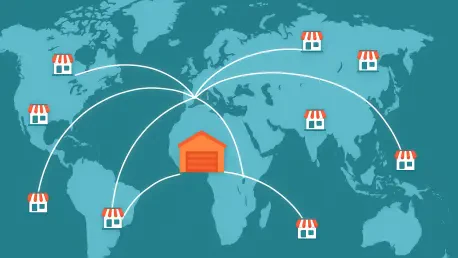
The crisis was not contained within the Dutch borders, as Delhaize in Belgium faced similar hurdles in processing new orders and managing its e-commerce platforms. While the Belgian sector showed a slightly faster recovery in certain areas, the centralized nature of the IT infrastructure meant that the threat had to be managed with a unified strategy across multiple countries. This regional variation suggested that while the core digital architecture is shared, local response strategies and existing inventory levels can dictate how severely a specific market feels the impact. The incident highlighted the complexity of managing a multinational retail entity where a vulnerability in one country’s server can potentially jeopardize the food security of an entire neighboring region, necessitating a more integrated approach to international cybersecurity within the private sector.
In a more alarming and perhaps more targeted development, major supermarket chains in France experienced a parallel attack that focused specifically on refrigeration software. By remotely altering temperatures in storage facilities at chains like Intermarché and E.Leclerc, hackers caused massive quantities of fresh and frozen food to spoil, shifting the threat from administrative disruption to the direct sabotage of physical assets. This event demonstrated a multifaceted threat landscape where cybercriminals can weaponize the very technology meant to keep food safe and fresh. Whether or not these events across the Netherlands and France were part of a coordinated campaign, they collectively signaled a new era of vulnerability where the refrigeration and preservation systems of a nation’s food supply are just as susceptible to remote interference as its financial or logistical data.
Strategic Shifts: Building a Decentralized Network
Market experts have pointed out that the Netherlands is particularly vulnerable to these types of shocks due to the extreme market concentration, with the leading chain holding nearly a 40% share. When such a dominant player faces a logistical collapse, other supermarket chains often lack the excess capacity or the distribution reach to fill the void, creating a genuine risk of localized food scarcity. The heavy reliance on centralized, automated systems is increasingly viewed by analysts as a double-edged sword that prioritizes operational efficiency during stable times but creates catastrophic points of failure during crises. Industry leaders and government officials are now actively discussing the necessity of a more decentralized food system that incorporates manual overrides and local redundancies to ensure that a single server failure cannot stop the flow of bread and milk to the population.
In response to these systemic failures, retailers and government agencies moved toward a framework of digital resilience that treated cybersecurity as a pillar of national security. Organizations prioritized the development of robust offline protocols and manual workarounds that allowed distribution centers to function, even if at a reduced capacity, during network outages. The transition also involved a significant investment in employee training, as the ABN AMRO data had previously indicated that a lack of basic cyber hygiene was a primary entry point for many attacks. By shifting from a purely defensive IT posture to a proactive business continuity model, the industry focused on diversifying its digital infrastructure and creating “air-gapped” backup systems for essential logistics. These steps ensured that future disruptions could be contained and managed without triggering the widespread shelf depletion and consumer panic witnessed during the recent crisis.