
The contemporary consumer no longer views a three-hour wait as a logistical marvel but rather as the standard baseline for any reputable digital commerce platform operating in the modern market. This shift has fundamentally altered the landscape of global commerce, moving rapid fulfillment from a premium perk reserved for the elite into a standard expectation for everyone. Retailers that previously relied on two-day shipping as a competitive edge now find themselves playing catch-up in an environment where speed is the primary currency. This transition is not merely about physical transportation but represents a total overhaul of the retail ecosystem.
Modern logistics now functions through a sophisticated network of big-box retailers, specialized third-party platforms, and an ever-expanding reach into rural markets. Dominant industry participants like Amazon, FedEx, and Walmart have spent years refining their internal systems to support this pace, yet the rise of delivery-as-a-service partners has leveled the playing field for smaller entities. The current state of the industry is defined by high-velocity launches and a reliance on advanced logistics software that manages the complex choreography of urban infrastructure. Physical proximity to the customer has become the most valuable asset a business can possess.
The Great Fulfillment Acceleration: A New Standard for Global Commerce
The transition from luxury to necessity has happened with remarkable speed as the infrastructure for rapid delivery matured. What was once a specialized service for urgent medical supplies or high-end groceries has permeated every category of retail. Today, the ability to receive a new pair of shoes or a laptop charger within hours of ordering is considered a baseline requirement. This cultural habituation has forced retailers to reconsider their entire supply chain, moving away from centralized regional warehouses toward a more decentralized model that places inventory as close to the end-user as possible.
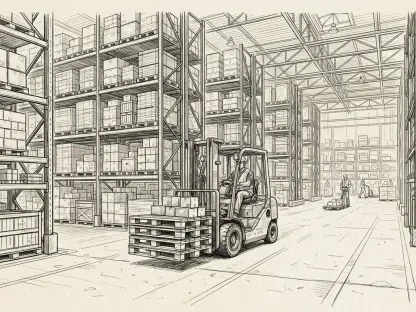
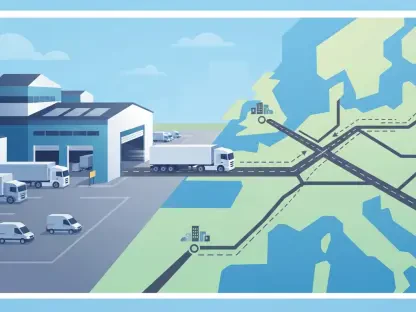
The ecosystem supporting this acceleration is diverse, ranging from massive urban distribution hubs to small-scale localized operations. While the primary focus remains on densely populated metropolitan areas, the logistical reach is expanding into rural zones through innovative partnerships and hub-and-spoke models. Strategic moves by major players involve massive investments in proprietary fleets and automated sorting facilities. Meanwhile, the rise of specialized delivery partners allows brands to offer rapid fulfillment without the overhead of maintaining their own vehicles, creating a more flexible and responsive market.
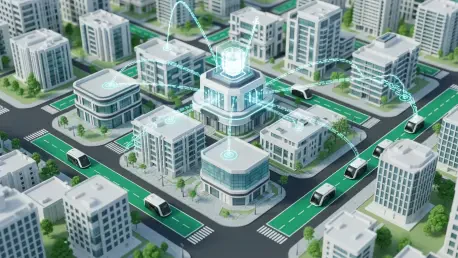
Technological signposts have been critical in making this physical feat possible. Sophisticated software now predicts demand patterns with high accuracy, allowing stores to stock the right items before a customer even places an order. Urban infrastructure is also evolving, with cities designating specific zones for delivery vehicles to reduce congestion and improve turnaround times. These advancements ensure that the physical movement of goods can keep pace with the digital speed of modern commerce, making same-day delivery a sustainable reality rather than a logistical nightmare.
Market Dynamics and the Psychology of Modern Speed
Consumer Behavior Drivers: From Grocery Gateways to Absolute Precision
Grocery delivery has served as the primary gateway for the normalization of same-day services across all retail sectors. Once a shopper experiences the ease of having perishables delivered to their door within a narrow window, they naturally begin to expect the same efficiency for apparel, electronics, and home goods. This habituation creates a convenience ecosystem that is difficult to leave, as the switching costs for moving back to a slower retailer are perceived as too high. The psychological shift is profound; the modern buyer views their time as a finite resource that is best preserved through outsourced logistics.
Furthermore, there is a distinct shift in consumer preference toward predictability rather than just raw speed. While getting a package in two hours is impressive, knowing exactly when those two hours will occur is often more valuable to a person with a busy schedule. Precise estimated times of arrival have become the primary metric by which consumers judge a service. This demand for transparency ensures that the constant communication loop between the retailer, the driver, and the end-user is as important as the physical delivery itself. Reliability has effectively replaced speed as the ultimate brand differentiator.
Data-Driven Growth and the Performance of Rapid Logistics
Adoption statistics reveal that high-velocity delivery programs are seeing record-breaking volume across the club-store and discount sectors. For example, some warehouse clubs reported fulfilling tens of thousands of orders within the first few weeks of launching enhanced one-hour delivery options. This surge in volume indicates that there is a massive, untapped appetite for rapid fulfillment when it is priced correctly. Even retailers in the dollar-store segment are finding success by expanding their reach into underserved markets, proving that the demand for convenience is universal and transcends socioeconomic boundaries.
Projected market performance suggests that 2026 will be a year of stabilization for third-party platforms as they strive for positive unit economics. The focus is shifting from aggressive customer acquisition to refining operational efficiency. By utilizing data to optimize delivery routes and batching orders more effectively, these platforms are reducing the cost per delivery. Success is now measured through specific performance indicators such as fulfillment accuracy and the consistency of delivery windows, which directly correlate with long-term customer retention and lifetime value.
Navigating the Friction Points of Ultra-Fast Fulfillment
The move toward using brick-and-mortar stores as dual-purpose fulfillment centers has created a significant labor paradox. Staff members who were originally hired to assist in-person customers are now frequently tasked with picking and packing digital orders. This creates a tension on the sales floor where the needs of the physical shopper may be neglected in favor of meeting strict digital delivery deadlines. To resolve this friction, retailers are increasingly turning to dedicated back-room teams or automated picking systems to separate the two functions and maintain a high level of service for all customers.
Profitability remains a significant hurdle as operational costs for last-mile delivery continue to rise. Balancing the high expense of rapid logistics against the consumer desire for low or non-existent shipping fees requires a delicate touch. Some retailers are experimenting with tiered membership models or minimum order thresholds to offset these costs. Additionally, the complexity of real-time inventory visibility cannot be overstated. A single out-of-stock item can ruin a same-day order and damage the brand’s reputation, making synchronized inventory tracking across all locations a non-negotiable requirement for success.
The Regulatory and Compliance Landscape of Last-Mile Delivery
Labor standards and gig economy regulations are currently undergoing a period of intense scrutiny and evolution. As delivery fleets grow, the classification of workers has become a central focus for policymakers, impacting the scalability and cost structure of many delivery platforms. Retailers must navigate a complex web of laws that vary significantly between different jurisdictions. Ensuring fair wages and safe working conditions is not only a legal necessity but also a critical component of maintaining a reliable and motivated workforce in a competitive labor market.
Urban access and environmental compliance present additional challenges for last-mile operations. Many metropolitan areas are introducing restrictions on delivery vehicle emissions and implementing stricter curbside management policies to combat traffic. Retailers are responding by integrating electric vehicles and cargo bikes into their fleets to meet these green mandates. Furthermore, data privacy and security have become paramount as the amount of consumer data shared between retailers and delivery partners increases. Protecting this information is essential for maintaining consumer trust in the digital age.
Future Horizons: The Evolution of Micro-Fulfillment and Distribution
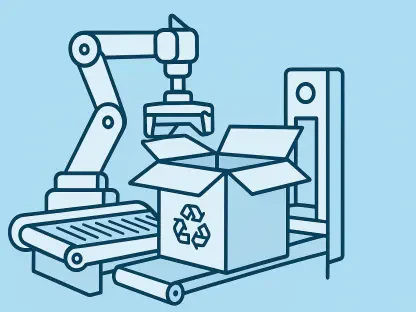
The rise of micro-fulfillment centers (MFCs) is fundamentally changing how retailers manage their inventory. These localized hubs are often automated and located in small footprints within urban areas, allowing for rapid picking and dispatch without the need for a full-scale retail store. By moving the fulfillment process away from the public sales floor, retailers can increase efficiency and accuracy while reducing the time it takes to get a product to the customer. This evolution allows for a more scalable and cost-effective approach to meeting the demands of a high-velocity market.
Cross-docking and SKU expansion are also playing a vital role in the evolution of distribution models. Services that allow retailers to offer a massive variety of inventory without keeping it all in local stores are becoming more common. This model enables a brand to provide the selection of a massive warehouse with the speed of a local shop. Looking ahead toward the 2027 and 2028 window, we can expect to see an increase in the use of autonomous delivery units and AI-driven predictive stocking. these technologies will further refine the ability of retailers to anticipate needs and deliver goods with unprecedented precision.
Strategic Conclusions for a Hyper-Competitive Retail Era
The shift from the fastest possible delivery to the most reliable delivery model served as the defining theme for retailers who achieved success over the past several months. Market leaders moved beyond simple speed to focus on the precision of their arrival windows and the transparency of their communication with consumers. This strategic pivot allowed businesses to build a deeper sense of trust, as customers began to rely on these services for their daily needs. The integration of advanced software and localized distribution hubs proved to be the essential foundation for any brand attempting to remain relevant in a crowded digital marketplace.
Inventory positioning and user experience emerged as the two most critical pillars for maintaining a competitive advantage. Companies that successfully placed their products in close proximity to their customer base through micro-fulfillment centers were able to drastically reduce their operational overhead. Furthermore, those who simplified their digital checkout process to highlight rapid shipping options early in the journey saw significantly higher conversion rates. The investment in these omnichannel strategies reflected a broader commitment to localized commerce that prioritized the immediate needs of the modern buyer.
The long-term outlook for the retail sector was shaped by the necessity of balancing high-tech solutions with human-centric service. Retailers who successfully navigated the friction points of labor and profitability by leveraging automation and specialized partnerships found a sustainable path forward. As the industry moved toward a more decentralized and efficient future, the ability to deliver goods with both speed and accuracy became the primary driver of investment and growth. The transition into this hyper-competitive era was ultimately won by those who recognized that convenience was no longer a feature but the core of the product itself.