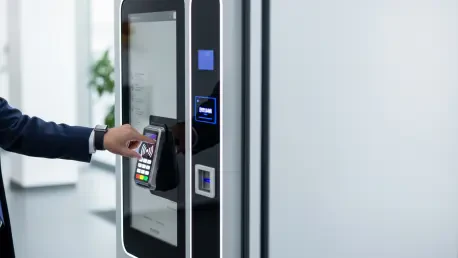

The traditional image of a vending machine as a clunky, unreliable metal box that eats quarters has been completely dismantled by the rapid integration of sophisticated point-of-sale technology. The shift toward contactless interaction is no longer a trend but a foundational requirement for any retail operation seeking to remain relevant in today’s fast-paced digital economy. By the middle of this decade, the reliance on physical currency has dwindled to nearly negligible levels, forcing vending operators to reconsider every aspect of their hardware strategy. This transition is characterized by the replacement of mechanical coin slides with integrated point-of-sale systems that offer the same level of sophistication found in high-end retail storefronts. These systems bridge the gap between physical convenience and digital efficiency, transforming the machine from a passive dispenser into an active participant in a broader commercial network. Modern consumers expect every interaction to be frictionless, and the ability to tap a smartphone or a watch to receive a snack or beverage has become the baseline expectation. This evolution has effectively eliminated the frustration of lost coins and jammed bill validators, replacing those aging pain points with a streamlined, reliable user experience.
The Mechanics: Inside the Digital Nervous System
The internal architecture of a modern vending machine revolves around a seamless handshake between the payment terminal and the machine’s controller. When a transaction is initiated, the system must perform a series of complex tasks within milliseconds to ensure a successful outcome for the customer. This process involves the instant verification of digital credentials against global banking networks while simultaneously instructing the internal hardware to prepare for dispensing. Unlike the isolated systems of previous decades, these integrated modules provide a continuous flow of data that accounts for every single item sold. This real-time synchronization means that the physical inventory inside the machine always matches the digital records held on the server, eliminating the discrepancies that often plagued manual tracking methods. The result is a level of transparency that allows for high-precision business management across thousands of units without the need for constant physical inspection by field staff.
Beyond simple transaction processing, the connectivity provided by these systems enables a versatile approach to consumer engagement. By remaining constantly linked to a cloud-based management dashboard, vending machines can now accept a vast array of payment options, from international credit cards to regional mobile wallets and QR-coded vouchers. This adaptability is crucial in high-traffic environments like international airports or corporate campuses where a diverse user base presents varying payment preferences. Furthermore, the ability to update software remotely ensures that the hardware remains compatible with new security protocols and payment technologies as they emerge. Operators no longer face the logistical nightmare of manually upgrading thousands of machines to support a new payment standard. Instead, these updates are pushed through the air, ensuring that every machine in the fleet is running the most current and efficient version of its operating system at all times, thereby reducing technical obsolescence.
Operational Mastery: The Power of Remote Telemetry
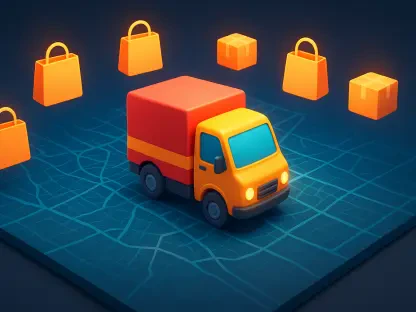
The shift from a schedule-driven maintenance model to one guided by real-time telemetry represents perhaps the most significant operational improvement in recent years. In the old model, route drivers followed rigid schedules, visiting machines regardless of whether they actually required restocking or repair, which led to wasted fuel and labor. Today, integrated sensors and POS data provide a comprehensive view of machine health and stock levels from a centralized control center. Operators can pinpoint exactly which units are running low on popular items and organize their routes to prioritize those machines that need immediate attention. This condition-driven approach drastically reduces the operational footprint of a vending business by optimizing the use of vehicles and personnel. Moreover, the ability to detect mechanical failures, such as a compressor issue or a motor jam, before they lead to a complete breakdown prevents lost revenue and maintains a high level of brand reputation among the local consumer base.
Strategic data analysis is now at the heart of product placement and inventory selection, moving away from guesswork toward empirical decision-making. By analyzing sales patterns across different times of the day and specific locations, operators can customize the product offerings in each machine to maximize profitability. For instance, a machine located in a fitness center might see a higher turnover of protein bars and electrolyte drinks during the evening hours, while an office-based machine might peak in caffeine product sales during the morning. The telemetry gathered by the integrated POS system allows for the testing of new products with minimal risk, as performance data is available instantly. This granular level of insight enables a more agile business model where inventory can be shifted in response to changing consumer tastes or seasonal trends. The integration of sales data into logistics planning ensures that the supply chain is lean and responsive, directly contributing to higher margins and lower waste.
Security and Loyalty: Protecting Data and Building Relationships
As vending machines handle increasing volumes of digital transactions, the implementation of robust security protocols has become a non-negotiable standard for the industry. Modern integrated systems utilize advanced encryption and tokenization to ensure that sensitive financial data is protected throughout the entire payment lifecycle. When a card is tapped, the actual account number is never stored on the machine’s local hardware; instead, it is replaced by a unique digital token that has no value to malicious actors. This architecture significantly reduces the risk of data breaches and ensures that operators remain in full compliance with global payment security standards like PCI-DSS. Furthermore, the physical security of the machine is enhanced through the elimination of large cash reserves, which historically made vending units targets for theft and vandalism. By moving toward a cashless environment, operators can locate their machines in more accessible areas without the constant fear of physical tampering or significant financial loss.
The transition toward fully integrated systems redefined the relationship between the operator and the consumer by turning single transactions into ongoing dialogues. Successful businesses utilized mobile app integrations and digital receipts to implement loyalty programs that rewarded frequent users with personalized discounts and early access to new products. This strategy shifted the focus from merely selling a snack to building a recognizable brand presence in the daily lives of busy professionals. Operators who embraced these technological advancements discovered that the initial investment in hardware was quickly offset by the increased volume of sales and the reduction in manual labor costs. Future considerations focused on the further integration of artificial intelligence to predict maintenance needs accurately and to tailor advertising content displayed on machine screens. The industry moved toward a state of constant connectivity where data served as the primary currency for growth and sustainability. This technological leap proved essential for remaining competitive in a digital retail landscape.