
The synchronization of digital failures across multiple global supermarket chains recently demonstrated that the invisible threads connecting food security to cybersecurity are far more fragile than previously estimated by industry experts. While the immediate public concern centered on the unavailability of popular grocery apps and websites for brands like Food Lion and Stop & Shop, the underlying threat was far more tangible and systemic. Sophisticated attackers successfully infiltrated the operational technology environments of these retailers, moving beyond the theft of customer credentials to target the very machinery that keeps food safe for human consumption. This shift represents a departure from traditional financial crimes, focusing instead on the destabilization of essential services. As physical store operations in various regions were forced into manual overrides, the incident highlighted a glaring lack of preparedness for defending against targeted attacks on industrial hardware.
Vulnerability of Legacy Industrial Controls
Outdated Systems: Risks of Legacy Refrigeration
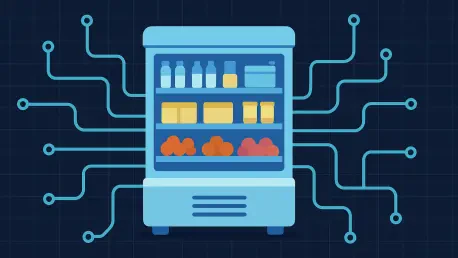
Investigative findings from cybersecurity agencies in Europe have pinpointed a specific category of remote control modules as the primary entry point for these recent disruptions. These components, primarily manufactured by industrial specialists like Danfoss and Copeland, are integral to managing the complex refrigeration cycles required in large-scale commercial environments. However, many of the affected units were identified as legacy systems that have been in operation for years without receiving critical security updates. The reality of modern retail is that while customer-facing software is frequently refreshed, the heavy machinery in the backroom often remains static for a decade or more. This creates a dangerous technological gap where outdated hardware is expected to interact with modern, internet-connected networks. Without the ability to receive modern encryption or authentication patches, these devices become an easy target for actors looking to exploit known vulnerabilities.
Network Access: Exposure and Segmentation Issues
The severity of the situation was compounded by a widespread lack of basic network segmentation, which allowed attackers to move laterally from web servers to cooling controllers. Many of the compromised refrigeration systems were found to be directly exposed to the public internet without the protection of a robust firewall or a virtual private network. This level of exposure is often a byproduct of convenience, as it allows third-party technicians to monitor temperature levels remotely without navigating complex security protocols. Unfortunately, what provides ease of maintenance also provides a doorway for malicious interference. In France alone, nearly 700 supermarkets reported that their cooling systems were tampered with, leading to significant inventory loss and a renewed debate over the security of national food supplies. This lack of defensive layering demonstrates that the retail industry must move beyond simple perimeter security and adopt a more granular approach to protecting assets.
Operational Impact and Global Chain Reactions
Service Disruptions: Digital Shutdowns and Hurdles
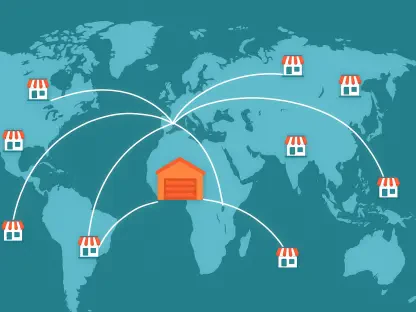
In response to the escalating threat, major conglomerates like Ahold Delhaize were forced to take the drastic step of preemptively shutting down their global digital infrastructure to contain the potential spread of the breach. This decision, while necessary for long-term security, resulted in immediate and widespread logistical chaos for thousands of stores and millions of customers. Online ordering platforms were disabled, and fulfillment centers struggled to process existing requests without their core management software. For many consumers, this meant unfulfilled orders and the sudden disappearance of digital coupons and loyalty program access. The company had to initiate a massive refund process for online transactions that could not be completed, highlighting the enormous financial toll that a digital shutdown can exact even in the absence of a direct ransom payment. The incident serves as a stark reminder that in an interconnected economy, a security vulnerability in one region can necessitate a total operational freeze.
Tactical Shifts: Physical Sabotage in Cyberspace
The nature of these attacks suggests a tactical evolution among threat actors, moving away from the common goal of immediate financial gain through ransomware. Instead of encrypting databases and demanding a cryptocurrency payment, the perpetrators focused on the disruption of physical processes, a hallmark of high-level industrial sabotage. Experts have observed that while critical infrastructure like water treatment plants and power grids have long been targets, the expansion into the food retail sector marks a broadening of the battlefield. By targeting refrigeration, attackers can spoil millions of dollars in inventory and create a localized food crisis without ever setting foot in the country. This method of disruption is particularly effective because it strikes at a basic human necessity, creating a sense of vulnerability that ripples through the entire population. The absence of traditional ransom notes suggests that the objective may have been more psychological or political than financial.
Strategic Imperatives for Future Resilience
The industry-wide response to these coordinated breaches emphasized that the separation between IT and OT had effectively vanished. Stakeholders recognized that securing the modern supermarket required a comprehensive overhaul of how legacy hardware was managed and monitored. Organizations moved toward mandatory hardware life-cycle policies, ensuring that no cooling unit remained in service once its security support expired. Furthermore, the implementation of isolated management networks became a standard requirement, preventing direct internet access to critical machinery. Policymakers and retail leaders collaborated to establish new benchmarks for food security that included digital defense as a core pillar of operational safety. These actions provided a blueprint for other sectors to follow, shifting the focus from reactive patching to proactive, design-based security. By treating every physical component as a digital endpoint, the retail sector laid the groundwork for a more resilient and reliable global food network.