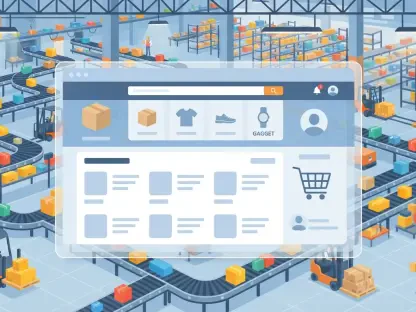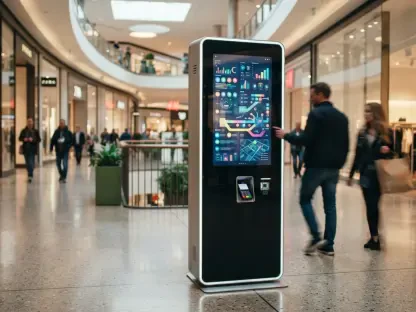

Transitioning from a steady business pace to the chaotic rush of a holiday season often exposes the fragile limits of a small retail operation’s payment infrastructure. The ability to handle peak demand effectively determines whether a company thrives or falters during high-stakes shopping events. This guide serves as a strategic roadmap for implementing virtual terminal technology to streamline workflows and capture every possible sale during the busiest times of the year. Small business owners often find that the traditional countertop setup becomes a bottleneck when customer volume spikes, leading to lost revenue and increased stress for the staff.
By adopting a digital-first approach to payment processing, a business can transform any internet-connected device into a secure point of sale. This flexibility allows for a more responsive service model that adapts to how customers want to shop, whether that is over the phone, online, or in person. The goal of this guide is to provide actionable steps to integrate these tools into daily operations, ensuring that the next seasonal surge is a period of record growth rather than a logistical nightmare.
Maximizing Holiday Revenue Through Flexible Digital Payments
The surge of seasonal demand often brings a mix of excitement and operational strain for small business owners. As peak shopping windows like the winter holidays, Valentine’s Day, and Mother’s Day approach, the ability to handle a high volume of transactions becomes the difference between a record-breaking year and a missed opportunity. Virtual terminals—web-based applications that turn any computer or mobile device into a credit card processor—offer a strategic solution to these seasonal bottlenecks. By removing the need for physical hardware and allowing for remote payment entry, these tools empower merchants to scale their operations instantly to meet consumer expectations.
When a storefront is packed with shoppers, the limitation of a single physical card reader can stifle the sales momentum. A virtual terminal allows staff to assist customers away from the main counter, utilizing laptops or mobile tablets to finalize sales anywhere in the shop. This decentralized approach ensures that the payment process is as fast as the customer’s decision to buy, preventing the friction that often leads to abandoned purchases during the holiday rush.
Navigating the Success Trap in the Modern Retail Landscape
The economic pressure of seasonal peaks is immense, with holiday spending now routinely surpassing the trillion-dollar mark. While consumers increasingly prefer to shop small, local retailers often fall into a success trap, where their foot traffic and phone orders exceed the capacity of their physical checkout infrastructure. Relying on a single countertop card reader creates a digital bottleneck that can lead to abandoned carts and frustrated callers. Understanding the technical shift toward decentralized payments is essential for businesses that want to maintain a professional edge while competing with big-box retailers during high-stakes sales events.
In 2026, the retail environment demands more than just a physical presence; it requires a fluid integration of digital and physical services. Merchants who fail to adapt their payment systems often find themselves overwhelmed by the very demand they worked so hard to generate. By recognizing that the point of sale is no longer a fixed location but a digital capability, businesses can better navigate the complexities of high-volume periods without sacrificing the quality of the customer experience.
Stepping Beyond the Counter to Optimize Seasonal Workflows
To maintain efficiency during a rush, businesses must decouple their payment processing from the physical storefront. This transition requires a shift in how the staff views the transaction process, moving from a stationary task to a dynamic one. By leveraging the power of virtual terminals, a merchant can create multiple points of engagement that operate independently of one another, ensuring that phone orders and in-person visits receive equal priority.
The logistical benefits of this shift extend beyond just speed. It allows for a cleaner, more organized store environment where the checkout line does not obstruct the browsing area. This separation of duties between front-end service and back-end processing creates a more professional atmosphere that customers appreciate during the high-stress holiday shopping season.
Step 1: Establishing Parallel Processing Stations
By utilizing virtual terminals, a business can effectively double its checkout capacity without purchasing additional hardware. While one staff member assists walk-in customers at the front desk, another can process phone and online orders from a back-office laptop or a tablet in the warehouse. This parallel processing ensures that the business does not have to choose between helping a customer in the store and answering a ringing phone.
Furthermore, this setup allows for specialized roles during the busiest hours. One employee might focus entirely on outbound phone sales and invoicing, while the others manage the floor. This specialization leads to fewer errors and a more consistent flow of transactions, as each team member has a clear focus and the digital tools needed to execute their tasks without waiting for shared hardware.
Tip: Using Mobile Devices for Curbside and Line Busting
Equipping staff with tablets allows them to bust lines by taking payments from customers waiting in queue or processing curbside pickups directly at the vehicle, ensuring a fluid flow of traffic. This mobile flexibility is particularly useful for seasonal events or pop-up markets where space is limited and a traditional register is impractical.
Step 2: Securing Revenue with Remote Deposits and Pre-Payments
For service-oriented businesses like bakeries and florists, the risk of no-shows on custom orders can be financially devastating. Virtual terminals allow merchants to take secure deposits or full payments over the phone at the moment the order is placed. This practice establishes a financial commitment from the customer, which significantly reduces the likelihood of abandoned orders.
When an order is paid for in advance, the pickup process becomes much faster for both the staff and the customer. The merchant simply needs to verify the identity of the person picking up the item, rather than processing a payment during the height of a busy afternoon. This efficiency is vital for maintaining a high turnover rate during peak sales hours.
Insight: Mitigating the Cost of Perishable Inventory
Taking immediate payment ensures that the labor and ingredients invested in seasonal items, such as Thanksgiving pies or holiday bouquets, are compensated regardless of whether the customer completes the pickup. This financial safety net is crucial for maintaining profitability when margins are tight and inventory is highly time-sensitive.
Step 3: Transitioning from Paper Slips to Digital Manifests
Manual record-keeping is a significant liability during a rush. Virtual terminals provide dedicated fields for delivery addresses, recipient notes, and special instructions, centralizing all data within the transaction record. This digital approach replaces disorganized piles of paper with a searchable, organized database that any authorized staff member can access instantly.
By having all the information in one place, the business can easily generate reports to plan delivery routes or verify order details. This level of organization reduces the stress on the management team, as they no longer have to spend hours at the end of the day reconciling handwritten notes with the daily sales total.
Warning: Avoiding the Double-Entry Data Trap
By inputting delivery details directly into the payment form, businesses eliminate the need to transcribe handwritten notes into a separate system, significantly reducing human error and lost documentation. Every time information is copied from one place to another, the risk of a typo or a lost detail increases, which can lead to missed deliveries and unhappy customers.
Step 4: Implementing Granular Security for Seasonal Staff
High-volume periods often require temporary hires, which introduces new management challenges. Virtual terminals allow owners to create individual user accounts with restricted permissions. This ensures that seasonal employees have exactly the tools they need to do their jobs without having access to sensitive financial information or administrative settings.
Managing a rotating team is much simpler when the owner can track the performance and activity of each individual user. If a discrepancy occurs, the audit trail provided by the virtual terminal makes it easy to identify where the error happened and address it quickly, rather than guessing which staff member was responsible for a specific transaction.
Tip: Using Tiered Access to Prevent Internal Theft
Owners can grant seasonal workers the ability to process sales while restricting access to sensitive functions like issuing refunds or viewing full merchant financial statements, providing a clear audit trail for every transaction. This layer of security protects the business’s bottom line and provides peace of mind during the busiest times of the year.
Core Advantages of Virtual Terminal Integration
Integrating a virtual terminal into the business model provides a series of compounding benefits that extend beyond the immediate holiday season. First, it significantly increases throughput by allowing multiple transactions to occur simultaneously across various devices, which effectively eliminates the wait times that often drive customers away. Second, it enhances cash flow by facilitating secure pre-payments, which is essential for managing the costs of inventory and labor before the actual delivery of goods.
Operational accuracy is another major advantage, as digital records replace the inherent chaos of paper-based systems. This centralisation ensures that every delivery manifest and recipient note is tied directly to a payment, reducing the chance of missed orders. Additionally, built-in fraud protection tools like AVS and CVV checks offer a robust defense against chargebacks and fraudulent phone orders. Finally, the ability to manage staff through individual permissions ensures that security is maintained even when the team expands with temporary workers.
Future-Proofing Your Business Against Seasonal Volatility
The adoption of virtual terminals is more than a temporary fix; it is a shift toward a more resilient business model. As retail continues to move toward a phygital experience, the flexibility to take payments anywhere—in-store, over the phone, or at a pop-up event—becomes a long-term competitive advantage. Looking forward from 2026 to 2028, businesses that master these tools will be better positioned to handle future challenges, such as sudden shifts in consumer behavior or the need for rapid digital expansion.
The data gathered during these peak periods provides invaluable insights for inventory planning and marketing strategies in the coming years. By analyzing which products were most popular and when the peak transaction times occurred, owners can make data-driven decisions that improve their efficiency year-round. This proactive approach to technology ensures that the business remains agile and capable of thriving in an increasingly digital marketplace.
Building Lasting Customer Loyalty Through Operational Excellence
The transition to a virtual terminal system provided a foundation that prepared small businesses for the significant growth expected through 2028. By implementing these digital solutions, merchants discovered that they could maintain a high level of service even when faced with unprecedented demand. The shift away from physical constraints allowed for a more fluid customer experience, which in turn fostered a deeper sense of trust and reliability between the brand and its local community.
As the operational hurdles of the holiday rush were cleared, the focus shifted from simple survival to strategic expansion. The insights gained from centralized digital records enabled more precise inventory management, while the security of pre-payments stabilized the financial outlook during volatile periods. This transformation became a permanent upgrade to the business identity, proving that the right technology can turn seasonal volatility into a sustainable advantage. The success found in these operational improvements served as a catalyst for long-term loyalty, ensuring that the customers gained during the holiday rush remained engaged throughout the entire year.