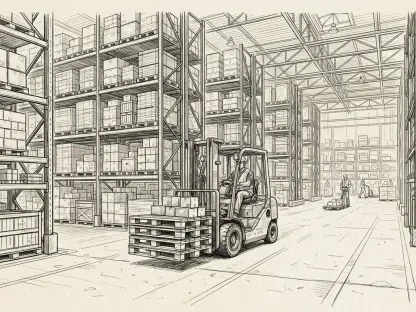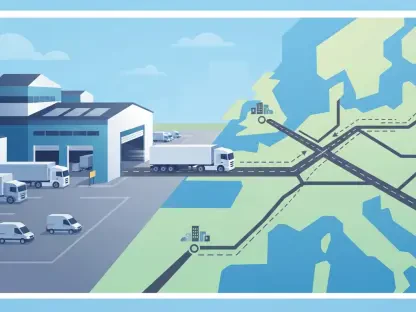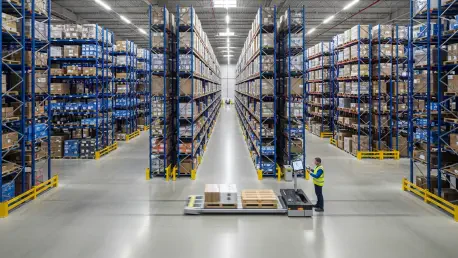

A significant number of global retail chains are currently struggling to maintain profitability because their backend logistics infrastructure is still operating on legacy models that cannot keep pace with modern consumer demands. This infrastructure—the warehouse—frequently serves as the silent engine of commerce, yet many facilities are utilizing designs and operational philosophies that were established long before the industry’s most recent transformative shifts. Consequently, there is a profound disconnect between the high efficiency reported on corporate dashboards and the actual, inflated costs of fulfillment happening on the ground.
This analysis explores the systemic stagnation found in modern retail logistics and examines how standardized optimization frameworks can address these inefficiencies. By looking at the hidden costs of space, labor, and data inaccuracy, this exploration provides a roadmap for multi-store operators to recover lost margins. Readers can expect to learn about the specific financial leaks that plague warehouse environments and the modular solutions that allow for a strategic reset without disrupting daily operations.
Comprehensive Analysis: The Crisis of Outdated Retail Warehousing
Why Are Modern Retail Margins Disappearing Within the Warehouse?
Retailers often focus on storefront aesthetics and digital marketing while ignoring the structural decay of their distribution centers. These facilities frequently rely on logistics logic developed during a previous era, leading to a mismatch between current SKU variety and physical storage capacity. When the operational foundation is fundamentally broken, simply increasing staff or extending hours fails to solve the underlying throughput issues.
The erosion of profit margins occurs silently when companies attempt to optimize labor within floor plans that are no longer fit for purpose. This creates a situation where businesses are throwing human capital at structural problems, leading to a hidden inflation of fulfillment costs. For large-scale operators, these inefficiencies do not merely represent minor leaks but can result in millions of dollars in lost revenue before the root causes are ever identified.
How Does Space Underutilization Impact the Bottom Line?
Space is often the most expensive component of the supply chain, yet data indicates that average warehouse capacity utilization remains stuck at approximately 68 percent. This translates to nearly a third of a facility sitting idle or being used inefficiently, which drastically inflates the overhead for every item shipped. Furthermore, poor layout design creates dead zones that disrupt the flow of goods and increase the cost per square foot.
A lack of density in storage forcing companies to lease larger facilities than necessary is a primary driver of capital drainage. When a layout is inefficient, the distance traveled by products increases, leading to a compounding effect on operational expenses. By identifying these gaps in space utilization, retailers can reclaim unproductive areas and delay the need for expensive real estate expansions.
What Role Does Labor Productivity Play in Logistics Costs?
Human labor typically accounts for the majority of warehouse expenses, often ranging between 50 and 70 percent of the total operating budget. In a poorly designed environment, employees spend excessive time navigating confusing aisles, which is essentially paying for wasted motion rather than actual output. As delivery expectations shorten, the margin for error disappears, leaving no room for the delays caused by inefficient walking paths.
By implementing a productivity reset, organizations can reallocate effort to high-value zones and recover lost hours. This involves a rigorous review of the human element, including the rules and handoffs that govern the journey of a product from receiving to dispatch. Recovering this lost productivity ensures that the workforce is deployed where they provide the most value, reducing the overall labor burden.
Can System and Data Integrity Close the Profitability Gap?
A persistent discrepancy often exists between the digital records in a management system and the physical inventory sitting on the warehouse racks. Most facilities operate with an inventory accuracy of 85 to 90 percent, a margin of error that triggers expensive downstream corrections and customer dissatisfaction. These errors are not just logistical hurdles but direct threats to the bottom line that aggregate over time.
Every shipping error carries a high price tag, with a single incorrect item selection costing an average of 22 dollars to rectify. For a large distribution center, these mispicks can lead to annual losses approaching 400,000 dollars. Closing the 10 percent accuracy gap through data integrity checks allows retailers to ensure that their digital footprint matches physical reality, preventing costly backorders and returns.
Is Automation the Only Solution for Inefficient Fulfillment?
Technological upgrades are frequently viewed as a magic solution, yet investing in high-tech machinery for a flawed process only mechanizes inefficiency. An automation readiness assessment is necessary to determine if a simple manual workflow adjustment might yield better results without a massive capital expenditure. Many tasks justify mechanization, but others are better served by disciplined, standardized manual processes.
Strategically choosing where to apply technology allows a business to maintain flexibility while controlling costs. Rather than advocating for expensive technology as a silver bullet, the focus should remain on which processes actually provide a return on investment. This prevents retailers from over-investing in complex systems when a more disciplined manual workflow would solve the root problem.
A Synthesis: Resetting the Logistics Framework
The optimization framework provides a necessary reset for multi-store operators by focusing on modular diagnostic stages that identify profit leaks. These modules range from layout and slotting reviews to comprehensive fulfillment cost modeling, ensuring that every operational inefficiency is addressed. By reconciling digital data with physical inventory, retailers achieve a competitive advantage that enables faster fulfillment and lower overhead. This disciplined approach converts the logistics department from a traditional cost center into a powerful engine for growth.
Furthermore, the focus on labor productivity and automation readiness allows companies to scale their operations sustainably. Recovering lost productivity and optimizing floor space usage ensures that retailers are not paying for idle capacity or wasted motion. As the retail landscape continues to evolve, these evidence-based management strategies provide the margin edge required to outperform competitors stuck in outdated models.
Final Reflections: Building Durable Performance
The transition toward a modern warehousing model became a survival requirement as the margin for error effectively disappeared for global retailers. Organizations that audited their legacy systems found that they successfully recovered significant percentages of their operating budgets by addressing hidden structural flaws. This proactive strategy ensured that the math of fulfillment remained sustainable despite rising labor and real estate costs. Leaders who recognized these deficiencies early successfully positioned their brands for long-term stability and market dominance.
Moving forward, the integration of data integrity and space optimization will remain the cornerstone of retail resilience. Businesses that prioritized these fundamental logistics audits transformed their backend operations into a source of strategic value. The shift from theorized efficiency to shop-floor reality proved to be the only way to build durable retail performance in an increasingly demanding economy.