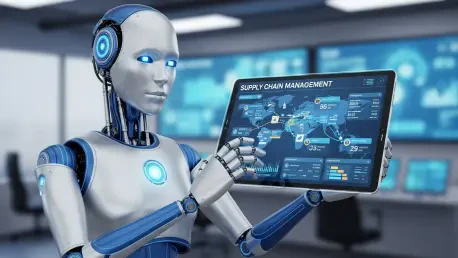

Imagine a world where a single delayed shipment doesn’t spiral into weeks of production chaos, lost revenue, and frustrated partners—where technology anticipates the snag before it even happens and resolves it almost instantly. Supply chain disruptions have become a relentless challenge for businesses navigating today’s interconnected global economy, often turning small hiccups into major operational headaches. From raw material shortages to logistical bottlenecks, these issues expose the fragility of traditional management methods that rely heavily on manual fixes. Fortunately, a powerful solution is emerging. Artificial intelligence (AI) is stepping into the spotlight, transforming how companies handle disruptions with proactive, scalable strategies. This article dives into the shortcomings of outdated approaches, the game-changing potential of AI-powered systems, and why this shift is critical for staying competitive in a volatile market. Let’s explore how AI is reshaping supply chains for the better.
Unpacking the Complexity of Modern Supply Chains
In an era of global trade, supply chain disruptions are no longer rare mishaps but persistent hurdles that can derail entire operations with a single misstep. Consider a mid-sized consumer goods manufacturer employing dozens of planners who dedicate nearly half their workday to troubleshooting issues like delayed raw materials. Despite their efforts, stockouts still occur, and revenue slips through the cracks. The reality is stark: as supply chains stretch across continents and involve countless moving parts, even minor delays can cascade into major setbacks. The interconnected nature of modern markets amplifies this impact, turning a delayed shipment in one region into a production standstill in another. Businesses are increasingly caught off guard, grappling with the sheer scale of variables they must monitor and manage daily.
Moreover, the frequency of these disruptions has surged as globalization deepens, exposing vulnerabilities that traditional systems can’t address. Natural disasters, geopolitical tensions, and unexpected demand spikes add layers of unpredictability that test even the most seasoned teams. Manual tracking and response mechanisms struggle to keep pace with the speed and complexity of these challenges. Without real-time visibility into every link of the chain, companies often react only after problems escalate, losing valuable time and resources. This reactive stance reveals a critical gap in current practices, highlighting why the industry must pivot toward smarter, tech-driven solutions to build resilience against an ever-shifting landscape.
Why Traditional Methods Are Falling Short
Traditional supply chain management often hinges on human expediters who act as the glue between fragmented departments like logistics, procurement, and production planning. Picture a team frantically piecing together information from scattered sources to resolve a delayed delivery, only to find their solution creates another issue downstream. This “firefighting” mode is inherently slow, relying on personal experience rather than systematic data to make decisions. The process is riddled with inefficiencies—communication lags, inconsistent outcomes, and a constant drain on resources that should be focused on growth. As a result, businesses face hidden costs that go beyond immediate delays, eroding their ability to plan strategically.
Compounding this struggle is the siloed nature of data in many organizations, where critical insights remain trapped within isolated systems or teams. Human-led coordination can’t bridge these gaps fast enough to match the speed of today’s market demands. Planners end up bogged down by repetitive tasks, diverting attention from innovation or long-term improvements. The toll is evident: delayed responses lead to missed opportunities, while the lack of a unified view prevents proactive problem-solving. This outdated approach is increasingly untenable as supply chains grow more intricate, underscoring the urgent need for a shift to technology that can streamline and elevate decision-making beyond human limitations.
The Dawn of AI-Driven Solutions
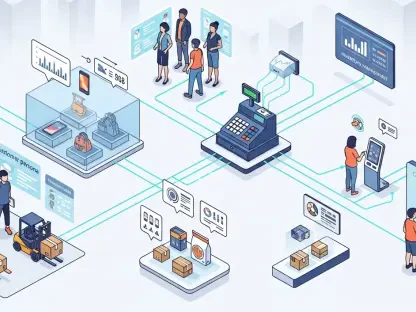
Enter AI-powered orchestration systems, a transformative force poised to redefine how supply chain disruptions are managed. Unlike traditional methods that react after issues arise, AI steps in with specialized agents that continuously monitor operations across the board, pulling data from once-disconnected sources in real time. These systems don’t just spot potential problems—they analyze them, weigh resolution options, and propose actionable fixes before a minor delay becomes a major crisis. This shift from a reactive to a proactive stance is a game-changer, allowing businesses to stay ahead of disruptions with precision and speed that human efforts simply can’t match.
Beyond mere detection, AI brings a level of intelligence to the table that reimagines exception handling as a strategic asset. By integrating vast amounts of data, these systems deliver insights that cut through the noise, offering clear recommendations tailored to specific business impacts. For instance, if a shipment delay threatens production, AI can suggest alternative suppliers or rerouting options while calculating the cost and timeline implications of each. This empowers companies to make informed choices swiftly, minimizing downtime. As AI takes on routine disruptions, it frees up human teams to focus on bigger-picture goals, marking a pivotal evolution in how supply chains operate in a high-stakes environment.
Mechanics of AI Orchestration in Action
So, how does AI orchestration turn chaos into control? The process unfolds in a seamless framework of four key stages that balance automation with human judgment. First, AI agents proactively detect potential disruptions by scanning data streams for anomalies, such as a delayed shipment flagged before it impacts production. Next, the system analyzes multiple resolution paths, presenting options with detailed projections of their business effects, like cost or delivery timelines. Then comes human review, where planners assess the AI’s recommendations, ensuring critical decisions align with broader goals. Finally, once approved, the system executes the chosen action automatically, slashing response times. This hybrid model marries speed with oversight, redefining efficiency.
Taking a closer look, this structured approach tackles the root issues of traditional methods by eliminating guesswork and delays inherent in manual coordination. Where human expediters might take days to gather data and decide, AI compresses this into hours or even minutes, acting on insights drawn from a holistic view of the supply chain. The result is not just faster fixes but smarter ones—decisions grounded in data rather than instinct. This methodology also scales effortlessly, handling a growing volume of exceptions without overwhelming staff. By embedding such intelligence into daily operations, businesses can transform disruptions from persistent threats into manageable blips, paving the way for smoother, more reliable workflows.
Tangible Gains from AI Adoption
The benefits of integrating AI into supply chain management extend far beyond operational tweaks—they translate into hard-hitting business outcomes that can redefine a company’s bottom line. Consider the potential to recover revenue previously lost to delays or stockouts; AI’s ability to preempt issues ensures products reach markets on time, preserving customer trust and sales. Additionally, as supply chains grow more labyrinthine, AI equips organizations to navigate complexity without drowning in details. It streamlines processes so that bottlenecks are addressed before they cripple operations, offering a level of agility that manual systems can’t provide. This adaptability is crucial in a market where change is the only constant.
Equally compelling is how AI reshapes the role of human planners, elevating their impact within the organization. By automating routine disruption handling, the technology liberates staff to zero in on strategic initiatives—think long-term forecasting or supplier relationship building—rather than getting mired in daily crises. This isn’t about replacing people but enhancing their potential, ensuring decisions are consistent and scalable across the board. The ripple effect is profound: reduced operational stress, improved resource allocation, and a stronger competitive edge. As companies adopt AI, they position themselves not just to survive disruptions but to thrive amid uncertainty, turning a persistent pain point into a source of strength.
Charting the Path Forward with AI
Looking ahead, the trajectory of supply chain management is unmistakably tilting toward automation and data integration, with AI at the helm of this seismic shift. As disruptions grow in frequency and intricacy, the industry recognizes that multi-agent AI systems are not a luxury but a necessity for staying afloat. These tools dismantle long-standing barriers like data silos, delivering real-time insights that enable companies to pivot swiftly in the face of uncertainty. This trend aligns with a broader push for digital transformation, where resilience isn’t just about weathering storms but anticipating them, ensuring operations remain fluid no matter the challenge.
What’s particularly striking is AI’s capacity to evolve alongside the industry’s needs, promising to tackle even more sophisticated scenarios in the coming years. While it currently excels at routine exceptions, ongoing advancements suggest it could soon handle nuanced, multi-layered disruptions with the same finesse. This forward momentum doesn’t diminish the human element but amplifies it, allowing professionals to steer strategy while technology manages the grind. For businesses, the message is clear: embracing AI now isn’t just about solving today’s disruptions—it’s about building a foundation for agility and innovation that will define success in an unpredictable global market.