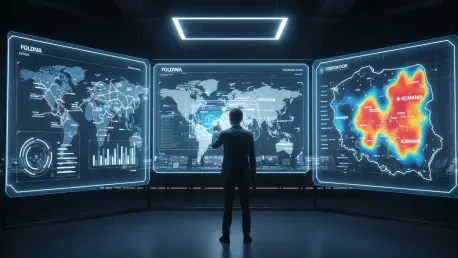

Expanding into the vibrant economies of Poland, Romania, and the Czech Republic offers a goldmine for global brands, yet many Western retailers continue to treat the region as a monolithic extension of Western European markets. This oversight results in a significant disconnect between brand offerings and local expectations, leading to missed opportunities in a region that currently shows some of the highest digital growth rates globally. While consumers in Warsaw or Bucharest share some similarities with their counterparts in Berlin or Paris, their purchasing journey is shaped by unique historical contexts and rapidly evolving technological ecosystems. Successful integration requires a shift from simple linguistic translation to a deeper cultural immersion that respects local traditions while providing modern convenience. From 2026 to 2028, the e-commerce landscape in Central and Eastern Europe is expected to undergo a radical transformation driven by mobile-first shoppers who demand personalized and local digital experiences.
The Operational Hurdle: Overcoming Technical Barriers
Financial Integration: Incorporating Localized Payment Solutions
The financial infrastructure of Central and Eastern Europe presents a complex mosaic that defies the credit-card-centric model prevalent in the United States and parts of Western Europe. In Poland, for instance, the mobile payment system BLIK has become a dominant force, processing millions of transactions daily due to its speed and security features. Western retailers that failed to integrate this specific payment gateway found themselves at a severe disadvantage, as Polish consumers often abandoned carts when presented only with standard card options. Similarly, in markets like Romania and Bulgaria, the preference for cash-on-delivery remains surprisingly resilient, reflecting a cultural desire for tangible security before funds are released. This necessitates a logistics network capable of handling physical cash transactions and managing the associated risks. From 2026 to 2028, the adoption of local digital wallets will likely accelerate, requiring retail platforms to maintain flexible checkout architectures.
Technical Agility: Deploying Headless Commerce and AI
Developing a robust technical infrastructure to support these regional variations requires more than just a multi-language toggle on a website header. Advanced retailers implemented headless commerce solutions that allowed for independent frontend experiences tailored to specific markets while maintaining a unified backend for inventory management. This approach facilitated the rapid deployment of local content, including currency-specific pricing and regional promotional calendars that align with local holidays such as Children’s Day or specific religious observations. Furthermore, the integration of artificial intelligence for real-time translation and sentiment analysis helped brands understand local reviews and customer feedback more accurately. By leveraging local cloud providers and Content Delivery Networks, these companies ensured that page load speeds met the high expectations of urban consumers in cities like Prague. This technical agility became a prerequisite for competition as local players innovated.
The Customer Journey: Enhancing Regional User Experiences
Logistical Excellence: Refining Delivery and Post-Purchase Care
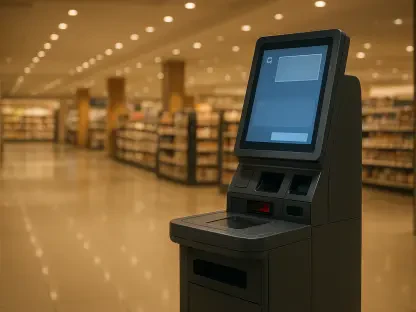
Logistical efficiency in the CEE region is increasingly defined by the density and reliability of out-of-home delivery networks, such as automated parcel lockers. In markets like Poland, the ubiquity of InPost lockers changed consumer behavior fundamentally, making home delivery a secondary preference for many busy professionals. Western brands that attempted to enter these markets without partnering with local locker operators faced significant hurdles in customer satisfaction and high return costs. Effective localization also involved reconfiguring supply chains to include regional distribution centers, which slashed delivery times from days to hours in major metropolitan hubs. Moreover, the post-purchase experience, particularly the ease of returns, proved to be a critical factor in building brand trust. Retailers that offered free, no-hassle returns via local kiosks or lockers saw a marked increase in customer lifetime value. These operational shifts represented a fundamental realignment of the retail value chain.
Strategic Evolution: Prioritizing Sustainability and Local Talent
The shift toward comprehensive localization proved that Western retailers could no longer rely on brand prestige alone to capture the hearts of CEE consumers. Successful organizations moved beyond basic compliance and invested in local talent to lead their regional headquarters, ensuring that strategic decisions were grounded in actual market reality. They prioritized the development of omnichannel strategies that merged physical showrooms with digital touchpoints, recognizing that CEE shoppers valued a tactile experience alongside online convenience. Looking ahead, the focus shifted toward sustainable delivery practices and ethical sourcing, as environmental consciousness became a significant driver in the Polish and Czech markets. Companies that established local partnerships for last-mile delivery and utilized eco-friendly packaging gained a competitive edge. The implementation of hyper-localized marketing campaigns further solidified these bonds. This bridge to the CEE market was built on a foundation of respect.