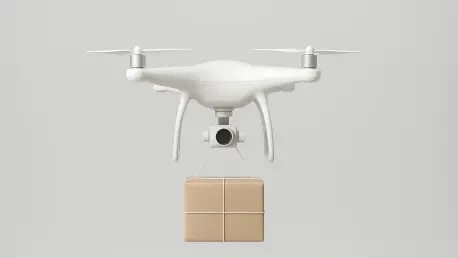

The rivalry between retail giants is intensifying as they pivot toward high-speed fulfillment tools that prioritize instant gratification over traditional shipping methods. Amazon is leading this shift by moving its Prime Air drone initiative from a decade of experimental testing into a robust operational phase that directly challenges current logistics standards. By targeting suburban regions across nearly 500 U.S. cities by the end of this year, the e-commerce giant aims to revolutionize the “last-mile” delivery race. This strategic pivot focuses on the rapid transport of lightweight packages weighing five pounds or less, with the ambitious goal of placing orders in customers’ hands within just thirty minutes of purchase. As consumers increasingly expect immediate results, the ability to bypass ground traffic and traditional sorting centers becomes a critical advantage. This transition marks a departure from conceptual prototypes toward a scalable, daily service that integrates seamlessly with the existing supply chain.
Scaling the Logistics of the Air
The expansion strategy is meticulously designed to bypass the logistical nightmares that typically plague high-density urban centers, such as skyscrapers and heavily restricted airspace. By focusing on suburban communities, Amazon avoids the complications of operating near major international airports, instead utilizing a network of specialized warehouses that cover 175-square-mile radii. This approach allows the company to reach a vast customer base without the physical obstructions found in downtown cores. The drone units are engineered to navigate around common suburban features like power lines and residential structures, providing a clear path for rapid delivery. By decentralizing their fulfillment hubs, the company creates a mesh network that brings products closer to the consumer than ever before. This geographical focus serves as a proving ground for the technology, ensuring that the initial large-scale rollout maintains a high safety record while maximizing the number of eligible households.
Internal Technology: The Role of Proprietary Software
With a target to serve 30 million people by the end of the year and deliver half a billion packages by 2030, the company is betting heavily on its ability to scale high-speed fulfillment through an integrated internal technology stack. This system relies on sophisticated artificial intelligence to manage flight paths and obstacle avoidance in real-time, reducing the need for manual intervention. The integration goes beyond the drones themselves, connecting the fleet to the broader inventory software that predicts local demand and optimizes launch times.
By aligning the drone hardware with proprietary software, Amazon maintains control over every aspect of the delivery process, from the moment a robotic arm picks the item in the warehouse to the final descent onto a customer’s lawn. This vertical integration is essential for managing the sheer volume of data generated by thousands of simultaneous flights. It ensures that the system can adapt to weather changes or logistical bottlenecks without human oversight, ensuring reliable service that can be replicated across diverse geographic regions as the program continues to grow.
Rivalry with Walmart: A Contest of Infrastructure
Amazon’s aggressive rollout intensifies its long-standing rivalry with Walmart, which currently holds a lead in physical infrastructure with drone services at over 75 stores. While Walmart leverages its proximity to residential areas through partnerships like Alphabet’s Wing, Amazon is countered by embedding drone logistics directly into its existing Prime ecosystem. The competition is no longer just about who has the lowest price, but who can offer the most convenient delivery window. This battle for the skies is essentially a battle for customer loyalty, where the primary currency is time.
Walmart’s advantage lies in its thousands of brick-and-mortar locations that serve as ready-made launchpads for aerial delivery. In response, Amazon is building dedicated drone-enabled fulfillment centers that are optimized for quick-turnaround sorties. Both retail titans view drones not as a replacement for trucks, but as a specialized tool for urgent, high-speed deliveries that enhance the value of their respective membership programs. This competition is driving rapid innovation in the aerospace sector, forcing both companies to refine their autonomous systems to gain an edge in the market.
Overcoming the Barriers to Autonomous Flight
Despite the technological leaps, drones still face significant physical limitations, such as a strict five-pound payload capacity and several “micro-logistical” challenges. Identifying safe drop zones in suburban backyards remains difficult due to tree cover, power lines, and temporary obstacles like inflatable pools or moving lawn ornaments. The drones must use advanced computer vision to scan for children, pets, or debris before releasing a package, adding layers of complexity to every mission. Sudden weather changes, particularly high winds or heavy rain, can also ground a fleet, making the service less reliable than ground-based delivery during inclement seasons. These environmental factors necessitate a robust safety protocol that can abort a landing if the conditions are not perfect. This sensitivity to the environment means that while drones are incredibly fast, they are also more restricted in their operational windows compared to the rugged trucks that currently handle the bulk of logistics.
Regulatory Landscapes: Navigating Policy and Public Perception
The future of Prime Air is tethered to the evolving federal and local regulatory environment, which must balance innovation with public safety and privacy. While Amazon has secured FAA waivers to fly “beyond the line of sight,” the government is still finalizing comprehensive rules for unmanned aerial vehicles. These regulations cover everything from noise limits to the specific altitudes drones are permitted to use. On a local level, the company must navigate community concerns regarding noise pollution and privacy, which often result in pushback during expansion efforts in residential areas.
Overcoming these social hurdles is just as critical as solving the engineering puzzles, as local ordinances could potentially restrict the times and locations where drones are allowed to operate. Residents are often wary of cameras flying over their private property, necessitating transparent communication about how data is handled. Securing public trust is vital, as a single high-profile accident or privacy breach could set the entire logistics industry back by several years of progress. Success depends on the industry’s ability to demonstrate consistent safety and clear benefits to the communities they serve.
Strategic Integration: The Shift Toward Multi-Modal Logistics
Retail experts suggested that while the 500-city goal was a landmark achievement, drones would likely remain in a “test and learn” phase for some time, contributing only a fraction of total sales volume. The overarching trend pointed toward a “multi-modal” future where drones, electric vans, and traditional trucks worked in tandem to optimize the supply chain. This hybrid approach allowed logistics managers to choose the most efficient tool for each specific delivery based on weight and urgency. By integrating these various modes of transport, retailers built a more resilient and flexible delivery network.
To remain competitive, companies looked toward investing in proprietary software that could orchestrate complex, multi-vehicle routes in real-time. Stakeholders recognized that the path to profitability lay in achieving higher levels of autonomy and streamlining the regulatory approval process through proactive engagement with community leaders. Future considerations involved the development of standardized landing pads and secure package receptacles to further reduce the risk of theft at the point of delivery. This shift established a new baseline for consumer expectations in the retail market.