
Modern entrepreneurs are no longer satisfied with the tedious manual labor of managing digital storefronts, leading to a shift toward autonomous systems that handle complex logistical chains through simple conversational interfaces. This transition represents a fundamental departure from the legacy model of navigating dense, multi-layered dashboards that required significant technical training. The launch of the Doba Pilot signifies the arrival of a “co-pilot” era, where natural language processing serves as the primary bridge between a human’s strategic vision and the machine’s logistical execution. This democratization of e-commerce allows users with zero coding or supply chain experience to launch sophisticated retail operations by simply describing their goals.
The Emergence of Conversational E-commerce
The evolution of dropshipping technology has moved beyond basic automation into the realm of true conversational commerce. Traditional systems focused on providing data points for the user to interpret; however, the new paradigm uses advanced language models to interpret the user’s intent and translate it into actionable business tasks. This shift matters because it effectively removes the friction that typically leads to early-stage business failure. By integrating natural language processing with a robust logistical infrastructure, the technology transforms the storefront into a responsive entity that can be managed through a chat-like interface.
This implementation is unique because it treats the software as a strategic partner rather than a static tool. In the broader technological landscape, this represents a significant step toward the “no-code” future, where the ability to communicate clearly becomes more valuable than the ability to manage complex software settings. The democratization of entrepreneurship is no longer a theoretical concept but a practical reality for those who can articulate a brand vision. This evolution ensures that the technical barriers to global trade are being dismantled, allowing a more diverse range of participants to enter the competitive online marketplace.
Core Components of the AI Dropshipping Agent
Intelligent Product Discovery and Sourcing
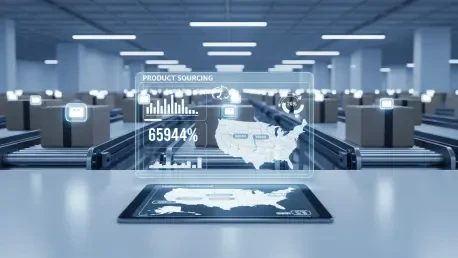
At the heart of the modern dropshipping agent is the ability to synthesize massive amounts of market data to identify high-margin opportunities. This is not merely about finding popular items; it involves a deep analysis of market demand, seasonal trends, and supplier reliability scores. By linking this intelligence to premium supplier networks, particularly those with a heavy presence in U.S.-based warehouses, the AI ensures that the products sourced are both viable and deliverable. This predictive capability allows retailers to stay ahead of the curve, stocking items just as demand begins to climb rather than reacting after the peak has passed.
The synergy between artificial intelligence and localized logistics is what provides a competitive edge over traditional dropshipping models that rely on slow, international shipping. When the AI identifies a trend, it cross-references it with available domestic stock to guarantee fast fulfillment times, which are critical for maintaining high conversion rates. This implementation ensures that the merchant is not just selling a product, but a reliable service experience. Consequently, the reliance on high-quality, verified suppliers reduces the typical risks associated with product quality and shipping delays that have long plagued the industry.
Automated Storefront Management and Content Generation
Efficiency in modern retail is defined by the speed at which a product can be moved from a supplier’s catalog to a customer’s screen. The technical aspects of dynamic content generation play a vital role here, as the AI creates SEO-optimized descriptions and high-quality listings in seconds. By automating these tasks, the technology allows for rapid store integration with major platforms such as Shopify, significantly reducing the time-to-market for new ventures. This is a critical differentiator for businesses that need to pivot quickly to capture emerging market interests or seasonal shopping surges.
Beyond simple listing creation, the AI manages the ongoing health of the storefront through automated pricing strategies. It can adjust prices based on real-time market shifts or competitor movements, ensuring that the merchant remains profitable without needing to manually monitor every SKU. This level of granular control, executed at scale, would be impossible for a human operator to sustain. The resulting operational agility means that the business can scale its offerings without a linear increase in the workload required to manage those additional products.
Innovations in Automated Retail Operations
The industry is currently witnessing a transition toward agentic workflows, where the AI moves from assisting the user to executing complex, multi-step business directives independently. These workflows involve more than just following a script; they require the system to make decisions based on changing environmental variables, such as inventory levels or shipping costs. This development matters because it shifts the human role from an operator to a supervisor. The AI can now handle the lifecycle of an online store by identifying a need, sourcing the solution, and updating the storefront without constant prompting.
Real-time inventory synchronization and intelligent pricing represent the next frontier of this automation. In a landscape where stock levels fluctuate by the minute, having a system that can instantly update listings across multiple platforms prevents the common pitfall of overselling. Moreover, these systems are beginning to incorporate live market data to influence pricing strategies, allowing for dynamic margins that protect the business during supply chain volatility. This level of technical sophistication ensures that the retail operation remains resilient even in the face of unpredictable global economic shifts.
Real-World Applications of AI in Supply Chain Management
Various industries are now deploying these agents to manage the entire lifecycle of their online presence, demonstrating that AI is a versatile tool for both startups and established brands. The use of U.S.-based warehouse integration has become a standout implementation, as it directly boosts conversion rates by offering the fast fulfillment that modern consumers demand. By automating the fulfillment process, the AI removes the manual step of order processing, ensuring that as soon as a customer makes a purchase, the warehouse is notified and the shipping process begins. This seamless flow is what allows small operations to compete with the logistical power of retail giants.
Notable implementations show that the technology is particularly effective in high-velocity sectors where product turnover is frequent. Retailers are using these agents to test new product lines with minimal financial risk, as the AI can set up a “test” storefront and monitor performance metrics before the merchant commits to a larger marketing spend. This capability transforms the supply chain into a laboratory for business ideas, where data-driven decisions replace guesswork. The ability to scale operations rapidly based on these real-world insights provides a level of business security that was previously unavailable to the average independent seller.
Technical Hurdles and Industry Obstacles
Despite the impressive progress, the technology faces significant hurdles regarding data accuracy across vast and often fragmented supplier marketplaces. Ensuring that the AI has access to perfectly synced, real-time data is a technical challenge that requires constant refinement of API connections. If there is a lag in communication between the supplier’s warehouse and the merchant’s storefront, the automation can inadvertently create customer service issues. Maintaining the integrity of this data stream is essential for the long-term viability of autonomous retail systems.
There are also complex regulatory and intellectual property risks that must be addressed as automation becomes more prevalent. An AI that pulls data from multiple sources to create listings must be programmed with strict compliance protocols to avoid infringing on trademarks or using unauthorized imagery. Furthermore, as these agents become more autonomous, the question of legal accountability for automated business decisions becomes more prominent. Ensuring that these systems operate within the bounds of international trade laws and platform-specific policies is a necessary step for the industry to reach full maturity.
The Future of Autonomous E-commerce
The trajectory of this technology points toward a future where AI assistants evolve into comprehensive managers capable of handling the entire daily operation of a company without human intervention. We are approaching a stage where deep product intelligence will allow these systems to predict market shifts before they occur, effectively pre-empting consumer needs. This shift toward “automated retail” will likely have a profound impact on the global economy, as it lowers the cost of business ownership and increases the efficiency of the global distribution of goods. The strategic partnership between human and machine will continue to deepen, with the human providing the creative brand direction and the machine handling the logistical heavy lifting.
Future breakthroughs will likely focus on enhancing the emotional intelligence of these agents, allowing them to handle customer service inquiries with a level of nuance that mirrors human interaction. This would close the loop on the fully autonomous business, where even the post-purchase experience is managed by the AI. As these systems become more integrated with global manufacturing data, we might see a more direct link between consumer demand and production, reducing waste and optimizing the entire lifecycle of a product. The long-term perspective suggests that the distinction between a managed store and an autonomous one will eventually disappear.
Summary and Assessment of AI-Driven Dropshipping
The shift from manual operational labor to strategic brand building marked a significant turning point for the e-commerce industry. The arrival of sophisticated agents proved that the complexities of supply chain management could be condensed into a series of conversational commands. This transition allowed entrepreneurs to focus on high-level growth rather than getting bogged down in the minutiae of product listing and inventory tracking. The technology successfully demonstrated its ability to democratize access to global markets, providing small-scale sellers with the same logistical advantages as larger corporations.
Early implementations showed that while the technology was highly effective, it required a baseline of human oversight to manage compliance and data accuracy risks. However, the efficiency gains achieved through real-time syncing and automated content generation were undeniable. Moving forward, the industry needed to prioritize the refinement of these autonomous workflows to ensure long-term stability. The ultimate verdict was that AI-driven dropshipping served as a powerful catalyst for modernization, turning the dream of a self-sustaining online business into a technically feasible reality for the global entrepreneurial community.