
High-quality visual representation is the lifeblood of digital commerce, yet the traditional barrier to achieving professional-grade imagery has always been the exorbitant cost of physical studio logistics. For decades, retailers have been tethered to a cycle of shipping samples, hiring photographers, and managing complex post-production schedules. However, the emergence of RewarxStudio signals a definitive shift toward a software-first approach. By replacing cameras and lights with sophisticated neural networks, this technology offers a glimpse into a future where the distance between a raw product snapshot and a 4K commercial asset is bridged entirely by code.
Evolution of Automated Visual Content Creation
The journey toward automated content creation has moved rapidly from simple filter applications to the current era of deep generative modeling. Initially, digital asset generation was a manual process that required skilled graphic designers to manipulate lighting and shadows in specialized software. This transition reflects a broader trend in the technological landscape: the migration of physical labor into the digital cloud. By integrating advanced machine learning, current systems can now interpret the geometry of a product, allowing for a level of automation that was previously impossible.
This evolution is not merely about speed; it represents a fundamental change in how brand identity is constructed. Where businesses once relied on the subjective eye of a photographer, they now utilize algorithms that can replicate specific aesthetic styles across thousands of images simultaneously. This shift toward automated digital asset generation has leveled the playing field, allowing smaller entrepreneurs to compete with global conglomerates by accessing high-end visual tools that do not require a six-figure photography budget.
Primary Features and Technical Components
Intent-Based and Prompt-Free Interface
One of the most significant technical hurdles in earlier AI tools was the reliance on “prompt engineering,” which forced users to learn a pseudo-programming language to get decent results. RewarxStudio bypasses this by utilizing an intent-based interface. Instead of typing long strings of descriptive text, users interact with intuitive visual cues and predefined parameters. This abstraction layer is crucial because it focuses on the business outcome rather than the technical process, ensuring that a store manager can produce market-ready assets without any prior training in AI or photography.
Snapshot-to-4K Resolution and Physical Accuracy
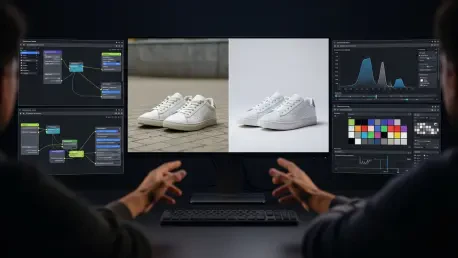
The technical backbone of the platform lies in its ability to upscale low-resolution smartphone snapshots into 4K commercial imagery without losing the integrity of the original item. Unlike generic image generators that often “hallucinate” or distort product details, this system prioritizes physical accuracy. It analyzes material textures—such as the grain of leather or the shimmer of silk—and applies realistic lighting and shadow maps that respect the laws of physics. This precision is what makes the generated content viable for high-stakes retail environments where customer trust depends on the visual truth of the product.
Integrated AI Model Studio
Enhancing the human element in digital retail has traditionally been one of the most expensive aspects of production. The Integrated AI Model Studio addresses this by seamlessly blending digital human models with physical products. This goes beyond simple face-swapping; it involves complex anatomical rendering to ensure that the product sits naturally on the virtual model. By automating this integration, the technology allows brands to showcase diversity and style without the logistical nightmare of casting calls or on-site hair and makeup teams.
Innovations in Content Scalability and Automation
Modern e-commerce operates at a scale that manual photography simply cannot match. The shift toward batch production allows retailers to process entire seasonal catalogs in a fraction of the time it would take to shoot a single collection. Furthermore, the integration of cinematic video content into the workflow marks a new frontier. By generating motion assets that maintain brand consistency, the technology ensures that the visual narrative remains cohesive across static banners, social media feeds, and video advertisements.
This democratization of high-quality visuals is a response to the growing demand for “content-heavy” marketing. Independent sellers can now produce a volume of high-quality imagery that was once reserved for luxury fashion houses. This trend toward scalability suggests that the future of retail is not just digital, but also deeply immersive, as the cost of creating high-fidelity visual environments continues to plummet for everyone involved in the marketplace.
Real-World Applications in Global E-Commerce
The practical deployment of these tools has already permeated more than 20 industry categories, proving that the tech is versatile enough for both consumer electronics and delicate jewelry. Retailers are increasingly moving away from logistics-heavy photography, finding that software-driven production is not only cheaper but also more adaptable. For instance, a brand can pivot its entire visual theme for a holiday sale in hours rather than weeks, simply by rerendering existing product data through a new AI template.
In the fast-paced world of consumer electronics, where product life cycles are short, the ability to generate assets before the physical units even reach the warehouse is a massive competitive advantage. These real-world implementations demonstrate that the technology is no longer a theoretical novelty. It is a functional replacement for traditional workflows, providing a lean alternative that allows businesses to focus their resources on product development and customer acquisition rather than the complexities of a photo shoot.
Challenges and Technical Hurdles in AI Generation
Despite the impressive progress, several obstacles remain, particularly regarding absolute physical fidelity. While lighting and shadows are increasingly accurate, some materials with complex refractive properties, like certain plastics or faceted gemstones, can still present difficulties for automated rendering. Overcoming the learning curve for teams accustomed to traditional workflows also requires a shift in organizational culture, as creative directors must learn to manage algorithms instead of photographers.
Furthermore, there is an ongoing conversation regarding the regulatory standards for AI-generated marketing. As the industry moves toward wider adoption, ensuring transparency and maintaining ethical standards in how AI models are used becomes paramount. Developers are currently working to refine these systems to meet strict commercial standards, ensuring that the generated imagery does not mislead consumers while still providing the high-impact aesthetic that brands crave.
The Future Trajectory of AI Photography
The horizon for this technology points toward the total automation of cinematic marketing assets, where static images are merely the starting point for fully realized virtual showrooms. We are likely to see breakthroughs in real-time visual rendering, allowing customers to interact with products in personalized environments that change based on their preferences. This level of customization could significantly lower the barriers to entry for digital entrepreneurs, as the “virtual storefront” becomes as easy to manage as a social media profile.
Looking forward, the long-term impact on profit margins will be substantial. By removing the need for recurring physical production costs, businesses can reinvest those savings into R&D or localized marketing efforts. The standard for the global digital marketplace is being redefined; soon, the distinction between a “real” photo and an AI-generated asset will be entirely irrelevant to the end consumer, as the focus shifts entirely to the quality of the visual storytelling.
Final Evaluation of the Technological Impact
The technological assessment of RewarxStudio and the broader AI photography sector revealed a significant pivot in the digital retail ecosystem. By stripping away the financial and technical barriers that once restricted high-end visual production to the elite, these platforms have successfully democratized the aesthetic of professional commerce. The transition from manual labor to automated intelligence proved to be more than just a cost-saving measure; it became a catalyst for creative agility and market scalability.
Moving forward, businesses must prioritize the integration of these automated workflows to remain competitive in a landscape that increasingly values speed and visual fidelity. Future considerations should include the development of proprietary style models to ensure brand uniqueness in an automated world. As the industry matures, the focus will likely shift from basic image generation to the creation of interactive, hyper-personalized consumer experiences. Retailers who adopt these tools now will be best positioned to lead the next generation of the digital marketplace.