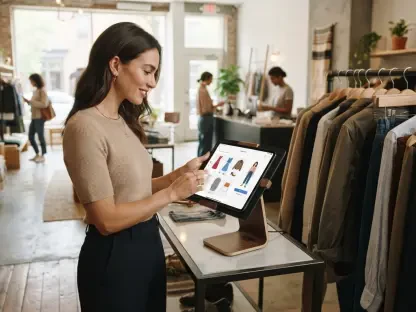

Small independent retailers frequently struggle to compete with massive global corporations that possess nearly unlimited budgets for high-tech consumer tracking and sophisticated marketing automation systems. These local enterprises often rely on outdated paper-based stamp cards that provide zero data insights, making it impossible to understand buying habits or reward loyal patrons effectively. Under the guidance of CEO Scott Flanagan, Lynked Loyalty emerged in 2022 to dismantle these barriers by providing a suite of enterprise-level digital tools designed specifically for the small and medium-sized business sector. By democratizing access to powerful data analytics and mobile engagement platforms, the company allows boutique shops and neighborhood grocers to build deeper, more meaningful connections with their clientele. This shift represents more than just a technological upgrade; it is a fundamental rebalancing of the retail landscape that empowers local businesses to thrive in a digital economy.
Competitive Advantage: Bridging the SME Data Gap
Historically, the divide between multinational retail chains and local independent shops was defined by the quality of the data each could collect and utilize for growth. While giants could track every swipe of a loyalty card to predict future purchases, smaller entities were left in the dark, unable to measure the effectiveness of their promotions or even identify their most frequent shoppers. The transition toward digital-first solutions has effectively neutralized this disadvantage by offering cloud-based infrastructures that do not require massive capital expenditures or dedicated IT departments. Independent retailers now utilize mobile applications that serve as a central hub for all customer interactions, turning anonymous transactions into rich data points. This accessibility ensures that a local bakery or a standalone hardware store can offer the same level of personalized service and targeted discounting that consumers have come to expect from major brands.
Moving beyond simple transaction recording, these digital tools allow for the creation of sophisticated tiered reward systems that incentivize higher spending and more frequent visits across diverse merchant categories. The shift from physical cards to digital wallets has significantly reduced the friction associated with loyalty programs, as shoppers no longer need to carry a stack of paper cards or remember forgotten identifiers. For the retailer, this means a massive increase in enrollment rates and a more accurate representation of their actual customer base. Furthermore, the ability to send push notifications and time-sensitive offers directly to a user’s smartphone creates a direct line of communication that was previously unaffordable for small businesses. These strategic nudges can be used to clear excess inventory or drive foot traffic during slow periods, maximizing the utility of the storefront and maintaining market share in a fast-moving digital marketplace.
Operational Growth: Synchronizing Multi-Site Operations
Franchise networks and large retail groups like Costcutter have discovered that unifying their various independent locations under a single digital umbrella provides unprecedented operational clarity. Managing promotional cycles and inventory levels across dozens of unique sites used to be a logistical nightmare involving manual spreadsheets and inconsistent reporting. However, by adopting centralized loyalty platforms, these groups can now execute coordinated marketing campaigns that roll out simultaneously across every storefront in the network. This synchronization ensures a consistent brand experience for the consumer, regardless of which specific shop they visit, while giving headquarters the oversight needed to optimize regional performance. Additionally, the system streamlines internal processes such as employee discount programs. By digitizing these benefits, retailers can prevent the unauthorized use of staff codes and ensure that every deduction is tracked, protecting the bottom line.
In the specialized sector of gas stations and convenience stores, the platform has proven to be a game-changer for businesses looking to diversify their revenue streams beyond low-margin fuel. Traditionally, many drivers would pay for their gas at the pump and leave without ever entering the retail portion of the facility, missing an opportunity for higher-profit sales. Retailers are now using digital incentives to bridge this gap, offering rewards on fuel purchases that can only be redeemed for high-margin items like premium coffee, gourmet snacks, or automated car washes. This cross-pollination of services transforms a routine refueling stop into a multi-category shopping experience that significantly boosts the average transaction value. By analyzing the flow of traffic from the forecourt to the aisles, business owners can refine their store layouts and product placements to better serve the needs of the mobile consumer, focusing on the high-margin sales that occur inside.
Efficiency Metrics: Accelerating Speed and Engagement
Speed of implementation is often the primary hurdle for small businesses considering a technological transition, as they cannot afford lengthy periods of downtime or complex installations. The platform addresses this concern by offering an integration process that can be fully completed in less than four working days, allowing retailers to modernize their operations with minimal disruption. This rapid deployment means that a store can begin collecting actionable data and issuing rewards almost immediately after making the decision to go digital. From the perspective of the shopper, the efficiency is equally impressive; sign-ups can be handled in a matter of seconds, and all rewards are managed through a single, universal barcode. This streamlined approach is particularly vital in high-traffic environments where long checkout lines can deter busy customers. By reducing the time required to process a loyalty transaction, the technology enhances the overall experience.
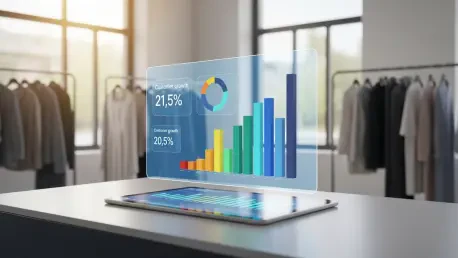
The financial impact of these digital loyalty strategies is becoming increasingly clear as businesses prioritize the retention of their existing customer base over the expensive acquisition of new ones. Industry data indicates that retailers utilizing these advanced tools have seen an impressive average growth in basket size of approximately 23%, reflecting a significant increase in consumer engagement. When customers feel recognized and rewarded through personalized offers, they are more likely to explore new product categories and increase their total spending per visit. This behavior is driven by the psychological benefit of receiving tangible value in exchange for their brand loyalty, which fosters a sense of partnership between the shopper and the merchant. Moreover, the ability to track customer lifetime value allows retailers to identify their most profitable segments and tailor their rewards, providing a compelling reason for shoppers to stay loyal.
Future Trajectory: Expanding into Global Markets
The integration of Artificial Intelligence into loyalty platforms has opened new doors for behavioral analysis, moving far beyond the simple tracking of basic transaction histories. By leveraging machine learning algorithms, retailers can now predict future shopping patterns based on historical data, allowing them to anticipate customer needs before they are even expressed. This level of foresight enables smarter inventory management, as businesses can stock up on specific items ahead of anticipated demand spikes, reducing both waste and missed sales opportunities. Furthermore, the shift to a purely digital environment aligns with the growing global emphasis on environmental sustainability by eliminating the need for plastic cards and paper receipts. This reduction in physical waste appeals to eco-conscious consumers while simultaneously cutting operational costs. As the platform expands globally, these technological advancements will be central to its success.
To maximize the benefits of these digital tools, businesses prioritized the integration of real-time loyalty pricing on electronic shelf labels to create immediate purchase incentives. This technology provided a seamless way to display exclusive discounts at the point of sale, cementing the bond between the digital application and the physical store layout. Retailers that embraced these advancements early successfully navigated the transition toward a data-driven economy. To maintain momentum, organizations focused on refining personalized outreach strategies, ensuring that every notification sent to a consumer added genuine value. The expansion into markets like Canada and New Zealand from 2026 to 2028 proved that the demand for accessible loyalty tools remained a universal trend among modern enterprises. By adopting dynamic systems, companies built more resilient operations that adapted to changing behaviors. Success required a commitment to technological excellence and customer engagement.