
Zainab Hussain is a distinguished e-commerce strategist whose work sits at the vibrant intersection of digital innovation and traditional retail operations. With extensive experience in managing complex customer engagement strategies, she has become a leading voice on how heritage brands can stay relevant in a rapidly shifting marketplace. Today, she joins us to discuss the strategic motivations behind a massive £50 million investment aimed at revitalizing regional shopping hubs. We delve into the concept of “retail destinations,” the surprising growth of in-store hospitality, and how a multi-year, £800 million brand transformation is reshaping the relationship between online convenience and the tactile, expert-led experience of a physical department store.
The decision to inject £50 million into five specific regional stores marks a significant moment for the brand’s physical footprint. How does this targeted investment, particularly the £20 million earmarked for Glasgow, redefine the role of a regional flagship in the modern retail landscape?
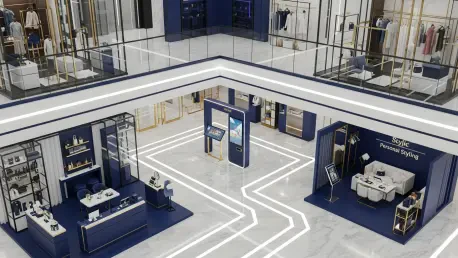
This investment is a clear signal that the era of the “passive” department store is over, replaced by a model that prioritizes deep engagement and sensory appeal. When you look at the Glasgow site, which spans a massive 28,000 square meters, you realize that this isn’t just about a fresh coat of paint; it is about a total structural and conceptual overhaul. Allocating more than £20 million to a single location—the largest single-store investment we have seen from the brand in recent years—shows a commitment to creating a “retail destination” where customers don’t just pick up a package, but spend their afternoon. By upgrading every single floor across fashion, beauty, home, and technology, the store becomes a multi-sensory environment. It is about creating a space where the scent of high-end beauty products and the tactile quality of new home collections provide a physical satisfaction that a digital screen simply cannot replicate. This is a bold move to ensure that regional hubs like Glasgow, Cambridge, Leicester, Reading, and Liverpool remain the beating hearts of their respective city centers.
As shopping habits continue to fluctuate, there is a visible move toward “destination retail” that blends traditional commerce with lifestyle services. Why is the integration of hospitality and expert-led services becoming such a vital component of the brick-and-mortar experience?
The data tells a fascinating story here, particularly the fact that hospitality now accounts for more than one in five store transactions. That is a staggering statistic that proves people are no longer visiting these 36 stores solely to buy a product; they are visiting for a social and culinary experience. We are seeing a strategic rollout of the new Platter concept across 32 cafés and restaurants by the end of 2027, which turns a shopping trip into a full-day excursion. Beyond the food, the demand for human expertise is at an all-time high, evidenced by the record number of appointments for personal styling and nursery advice. There is a deep emotional reassurance that comes from talking to a Partner who can offer tailored, expert advice on a stroller or a wedding outfit. This human touch, combined with the convenience of a high-quality meal, transforms the store from a mere warehouse of goods into a community space that fosters loyalty and trust.
With your background in e-commerce, you understand the friction that often exists between digital and physical channels. How does this £800 million brand transformation bridge that gap to create a truly seamless experience for the customer?
The most successful retailers today understand that the customer doesn’t see “online” and “offline” as two different worlds; they see one brand. This £800 million transformation is specifically designed to respond to that expectation of a seamless cross-channel journey. Whether a customer is browsing on their phone during a commute or walking through the newly enhanced Liverpool store, they expect the same level of trusted advice and service. The physical stores act as the ultimate showroom and service hub, providing the “expert guidance” that gives shoppers the confidence to make the right choice, which often then leads to a digital purchase later. By investing in the physical estate, the brand is actually strengthening its digital presence because those stores provide the inspiration and the hands-on experience that drive online sales growth. It’s a holistic ecosystem where the refurbished stores have consistently shown sales growth, proving that a strong physical presence is the best marketing tool a digital platform can have.
The redevelopment of the Glasgow store is a long-term project that will continue through spring 2027 while remaining open to the public. What are the logistical and economic implications of such a phased, “live” transformation for both the brand and the surrounding city center?
Managing a redevelopment of this scale—28,000 square meters—while keeping the doors open to the public is a monumental operational challenge, but it is essential for maintaining community continuity. It acts as a “vote of confidence” in the city center, as mentioned by local leaders, and ensures that footfall doesn’t drop during the transition. For the city of Glasgow and the Buchanan Galleries, this investment is a catalyst that will likely spur further innovation and investment from surrounding businesses. It’s about more than just the four walls of the store; it’s about supporting the High Streets Strategy and the Small Business Plan by proving that large-scale retail can still thrive and create jobs. The fact that the brand was ranked as the UK’s number one retailer in the UK Customer Satisfaction Index gives them the social capital to navigate these renovations. Customers are generally willing to endure a bit of “dust” if they know the result will be a world-class shopping environment that honors the brand’s long-standing Royal Warrant and commitment to quality.
What is your forecast for the future of the British high street and the survival of the department store model over the next decade?
I believe we are entering a “Renaissance of the Physical,” where only the most adaptable and service-oriented retailers will thrive. My forecast is that we will see a permanent shift away from stores that only sell “stuff” toward stores that sell “solutions and experiences.” The success of this £50 million phase, and the wider £800 million investment, suggests that the department store of the future will function more like a high-end service club. We will see the 36-store estate become even more integrated with hospitality, perhaps even expanding into wellness or educational workshops, as the “Platter” concept and expert appointments have already paved the way. Those who can successfully blend the “Never Knowingly Undersold” promise of value with an elevated, sensory-rich environment will not only survive but will lead the next era of British retail. The department store isn’t dying; it is simply shedding its old skin to become a more vibrant, indispensable part of our social fabric by the time we reach that 2027 milestone.