
The decision to implement loyalty software has evolved from a minor administrative task into a core strategic maneuver for brands operating across diverse sales channels. The competition for consumer attention in the United Kingdom has reached a fever pitch, forcing retailers to rethink how they maintain relevance in an increasingly fragmented marketplace. Historically, loyalty tools were basic “points widgets” that lived on a website’s corner, offering little more than a static reward for a completed checkout. Today, the focus has shifted toward deep integration, invisible technical details, and the seamless movement of customer data between the digital and physical worlds. The primary objective is no longer just rewarding a purchase; it is about tracking and incentivizing the entire customer journey, regardless of where the transaction or interaction occurs. As retailers navigate the complexities of 2026, the demand for systems that bridge the gap between high-street shops and online storefronts has become the defining characteristic of a successful retention strategy. Brands are now looking for sophisticated logic engines that can verify social media engagement, track product reviews, and sync rewards with mobile wallets in real-time.
Analyzing Regional Specialized Solutions
Strategic Automation: The Rise of Loyoly
Loyoly distinguishes itself by moving away from the “points counter” mentality, instead treating loyalty as a series of automated customer journeys that adapt to specific consumer behaviors. This platform is particularly robust for brands that want to reward behavior beyond the simple transaction, providing a framework where every interaction becomes a potential touchpoint for retention. With over 40 verified actions—ranging from social media engagement on TikTok to leaving reviews on Trustpilot—Loyoly allows brands to create “missions” that feel more like interactive brand experiences than traditional sales pitches. Its logic-based engine checks conditions like VIP status or geographic location before triggering rewards, ensuring that the marketing spend is targeted at the most valuable segments. Notably, it is one of the few platforms offering pricing in British pounds, ranging from £87 to £99 per month, which, along with its offices in London and Paris, makes it a localized favorite for UK merchants who prefer dealing with regional support teams. Its integration with mobile wallets ensures that rewards follow the customer into physical stores via systems like Shopify POS or Fastmag, effectively eliminating the friction that often exists between online accounts and in-person shopping.
Retail Integration: The Marsello Physical-First Model
Marsello is designed specifically for the hybrid retailer who maintains a significant presence on the British high street while simultaneously managing a digital presence. While many platforms prioritize e-commerce and treat physical retail as an afterthought, Marsello’s architecture is built around the “till” or point of sale, ensuring that the hardware used in-store is the primary engine for data collection. It integrates deeply with retail-heavy systems like Lightspeed, Clover, and Cin7 Omni, allowing for a level of technical synergy that is rare in the mid-market software space. Its pricing model reflects this physical-first focus, charging approximately $60 per site rather than strictly by order volume, which provides a predictable cost structure for growing businesses. This makes it an ideal choice for multi-location retailers who want a unified loyalty experience where a customer can earn points at a physical counter in Manchester and redeem them on a BigCommerce or Shopify site that evening. By focusing on the point of sale, Marsello captures the immediate, tactile interaction of a purchase, turning a routine transaction into a data-rich event that informs future marketing campaigns and inventory decisions across the entire organization.
Evaluating Versatility and Specialized Market Niches
Solutions for Scalability: The Gameball and Joy Ecosystems
Joy serves as a high-value entry point for Shopify merchants who need a reliable solution without the steep learning curve of enterprise software. It is characterized by its “freemium” model, allowing smaller stores to manage up to 250 orders a month at no cost, which is essential for startups looking to establish a foothold in the 2026 market. Even its paid tiers are aggressively priced, making it accessible for brands that want advanced features—like B2B tiers and rule engines—without the enterprise price tag that typically accompanies such functionality. With a high user rating, it proves that modest budget software does not necessarily mean low quality, especially when the focus is on core stability and ease of use. In contrast, Gameball pivots toward the psychological aspect of loyalty: competition and play. By incorporating leaderboards, time-limited challenges, and community-focused rewards, it targets brands in the sports, gaming, and beauty sectors where customer engagement is naturally high. Its pricing is unique, based on the number of “rewarded customers” rather than total orders, providing a different way for brands to forecast costs as their community grows. This gamified approach ensures that customers remain active participants in the brand ecosystem, rather than passive recipients of occasional discount codes.
Local Merchant Simplicity: The Square Loyalty Advantage
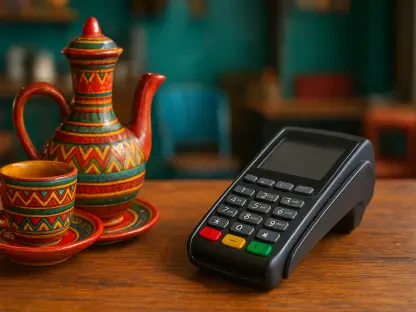
Square Loyalty is the quintessential tool for independent shops, pop-up markets, and local cafés that form the backbone of many UK communities. It leverages the existing Square payment ecosystem, allowing customers to sign up directly at the card reader during the payment process, which captures the highest level of consumer interest. Its pricing is straightforward and transparent, billed in sterling at approximately £25 to £65 per month based on the number of loyalty visits recorded. For a local coffee shop or boutique that doesn’t need complex API integrations but wants a digital version of the traditional punch card, Square provides the most frictionless path to implementation. The system removes the need for physical cards that customers frequently lose, replacing them with a digital identity tied to the customer’s payment card. This simplicity is its greatest strength, as it allows business owners to focus on their craft rather than managing a complex database of marketing rules. Furthermore, the ability to send automated “we miss you” emails based on transaction history provides a layer of professional marketing that was previously unavailable to small, independent operators. By streamlining the enrollment process, Square ensures that the barrier to entry for a loyalty program is virtually non-existent for the average consumer.
Enterprise-Level Systems and Data Marketing
Security and AI: The Smile.io and LoyaltyLion Frameworks
Smile.io is a heavyweight in the Shopify ecosystem, holding “Certified Technology Partner” status and serving some of the largest global brands. Its emphasis on security, evidenced by its SOC 2 Type II audit, makes it the go-to for larger brands that require rigorous IT vetting and data protection standards in 2026. It offers a clear, predictable scaling path from a free tier up to a premium tier, which includes comprehensive migration services and dedicated program monitoring for high-volume merchants. Meanwhile, London-based LoyaltyLion has positioned itself at the forefront of the artificial intelligence trend, utilizing machine learning to refine how brands communicate with their audiences. It uses AI to analyze Shopify sales patterns and deploy loyalty agents to handle customer queries and optimize campaign timing, ensuring that rewards are offered exactly when they are most likely to influence a purchase. For UK brands like Oh Polly or Origin Coffee, LoyaltyLion offers a sophisticated, data-driven approach that moves beyond static rewards into predictive customer retention. This transition toward AI-driven loyalty means that programs are no longer reactive; instead, they anticipate customer needs and intervene with personalized incentives before a customer has the chance to churn or switch to a competitor.
Integrated Suites: Okendo, Yotpo, and Rivo Performance
Okendo views loyalty as one piece of a larger customer marketing puzzle rather than an isolated feature. By bundling loyalty with reviews, quizzes, and surveys, it creates a closed-loop system where customers are automatically rewarded for high-quality interactions that provide valuable zero-party data. This synergy reduces the app bloat often found in e-commerce stacks and ensures that customer data is shared across different marketing functions seamlessly. Similarly, Yotpo is built for complexity, supporting enterprise-level platforms like Salesforce Commerce Cloud and Adobe Commerce, making it the preferred choice for large retail groups with international needs. Its ability to manage complex, multi-brand programs across different regions is a significant advantage for conglomerates operating in the UK and abroad. Finally, Rivo focuses on the modern checkout experience for high-growth brands, integrating loyalty directly into the Shopify Checkout and supporting modern sign-in methods like Apple ID. This focus on “native-feeling” experiences ensures that the loyalty program does not feel like a third-party add-on, but rather an essential component of the brand’s digital identity. By prioritizing the checkout experience, Rivo helps brands reduce cart abandonment and increase the lifetime value of every customer who passes through the digital storefront.
Strategic Implementation: Final Considerations for Success
Practical Takeaways: Enhancing Customer Value
The investigation into these various platforms revealed that the most effective loyalty strategies depended heavily on the alignment between software capabilities and specific business goals. Brands that achieved the highest ROI avoided the temptation to implement every possible feature, focusing instead on the core actions that drove their unique revenue models. For some, this meant prioritizing point-of-sale integration to capture foot traffic, while for others, the emphasis was placed on social media verification to build a digital community. The data suggested that UK consumers responded most favorably to programs that offered transparency and ease of access, particularly those that utilized mobile wallet passes for instant gratification. Successful merchants also discovered that the transition to a new loyalty provider required a period of meticulous data migration, ensuring that existing customer balances remained accurate and accessible throughout the process. Looking back at the developments from 2026 to 2027, it became clear that the brands which treated loyalty as a primary data source—rather than just a discount mechanism—were better positioned to navigate shifts in consumer sentiment. The ability to track a customer’s journey from an initial review to a fifth in-store purchase provided a level of insight that fundamentally changed how marketing budgets were allocated.
Long-Term Outlook: Data Security and Infrastructure
The evolution of loyalty technology highlighted a growing necessity for enterprise-grade security even among mid-market retailers. As data privacy regulations continued to tighten, the importance of selecting vendors with SOC 2 compliance and robust encryption became a non-negotiable aspect of the selection process. Brands that invested in secure, scalable infrastructure found that they could launch more ambitious campaigns without the fear of data breaches or system downtime during peak shopping periods like Black Friday. Furthermore, the integration of artificial intelligence shifted the role of the loyalty manager from an administrative coordinator to a data strategist. The most successful implementations utilized AI agents to automate the tedious tasks of customer support and reward reconciliation, freeing up human resources to focus on creative brand building and community engagement. By the end of this transformative period, the market reached a consensus that the “best” loyalty software was the one that became invisible to the user, working quietly in the background to create a frictionless experience across every possible touchpoint. Retailers who embraced this philosophy managed to turn casual shoppers into dedicated brand advocates, securing their place in the competitive UK landscape for years to come.