
Nearly sixty percent of convenience store operators currently struggle to differentiate their brand from the competition as market saturation reaches record levels. This staggering statistic underscores a fundamental transformation within the retail landscape, where the traditional model of selling fuel and pre-packaged snacks no longer guarantees a steady stream of loyal customers. As profit margins on gasoline continue to compress and electric vehicle adoption reshapes refueling patterns, operators are forced to rethink their value proposition from the ground up. The modern consumer is no longer satisfied with mere proximity; they are increasingly seeking a curated experience that blends the speed of a traditional pit stop with the quality of a fast-casual restaurant. This shift has placed high-quality foodservice and sophisticated, data-driven loyalty programs at the very center of the industry’s evolution. By transforming these locations into destinations rather than temporary stops, retailers can unlock new revenue streams that were previously ignored during the era of fuel dominance.
The Strategic Pivot: Proprietary Foodservice as a Competitive Edge
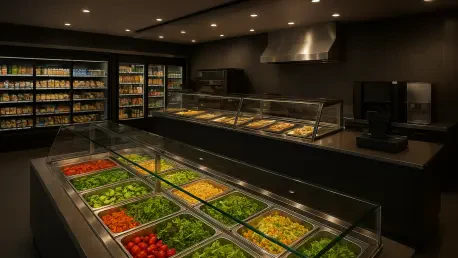
The transition from a fuel-centric model to a food-forward approach is no longer an optional strategy but a necessity for survival in an oversaturated market. Recent findings indicate that fuel margins are inherently volatile, leaving operators vulnerable to global economic shifts that they cannot control. In contrast, proprietary foodservice offers a high-margin alternative. It allows stores to establish a unique brand identity. Currently, nearly sixty percent of convenience stores have successfully integrated made-to-order meal options, signaling a move toward culinary sophistication. This shift is driven by a fundamental change in how the public perceives these establishments; they are no longer just places to fill a tank, but are becoming legitimate competitors to quick-service restaurants. By offering fresh, customizable meals, operators can capture the attention of a demographic that prioritizes quality and variety over the simple convenience of a pre-wrapped, shelf-stable item found at any competitor.
Creating a “destination” status requires more than just adding a microwave and a few frozen burritos to the inventory. Data suggests that fifty-eight percent of consumers are willing to bypass a closer location in favor of a brand that offers a signature or exclusive food item, such as a specialty breakfast sandwich or a custom-built salad. This behavior indicates that quality is starting to trump convenience in the decision-making process of the modern shopper. To capitalize on this, successful operators are investing heavily in commercial-grade kitchen equipment and specialized training for their staff to ensure consistency and speed. Developing a signature menu item serves as a powerful marketing tool that builds emotional resonance with the customer base. When a store becomes known for a specific, high-quality offering, it stops being a commodity and starts being a choice, which effectively insulates the business from the aggressive price-cutting tactics employed by nearby competitors who rely solely on fuel.
Reward Evolution: Redefining Value Through Integrated Technology
While a strong menu draws people in, a sophisticated loyalty program is what keeps them returning in an increasingly fragmented retail environment. Modern rewards systems have moved far beyond the simplistic punch-card models of the past, evolving into complex, data-driven platforms that prioritize personalization. Research highlights that members of high-performing rewards programs are sixty-four percent more likely to increase their visit frequency. However, the key to success lies in flexibility; an overwhelming ninety-three percent of shoppers now demand the ability to choose how they earn and redeem their points. A rigid system that only offers discounts on specific items is increasingly viewed as obsolete. By allowing customers to customize their rewards—perhaps choosing between a fuel discount or a free beverage—operators can create a sense of agency and value. This tailored approach fosters a deeper connection with the brand, making it much harder for a competitor to lure those customers away with generic promotions.
The final step in this evolution involved integrating advanced technology to unify fuel, retail, and food operations under a single point-of-sale system. Savvy operators utilized contextual marketing to deliver personalized offers directly to customers while they were still on the premises, maximizing the impact of every visit. This approach allowed businesses to focus on increasing the total basket size per visit rather than simply chasing higher foot traffic. The conclusion reached by industry leaders was that future-proofing required a departure from traditional mindsets in favor of quality and personalization. They realized that by offering unique culinary experiences supported by flexible rewards, they could secure a lasting foothold in a crowded market. Ultimately, the successful convenience stores were those that acted as specialized service providers, using real-time data to meet the evolving needs of their clientele. Moving forward, the industry learned that high-end sales and increased customer lifetime value was the most reliable path to profit.