
Zainab Hussain is a distinguished e-commerce strategist and retail expert who has spent years dissecting the intricate relationship between consumer behavior and global supply chains. With a background rooted in operations management and customer engagement, she specializes in identifying the psychological triggers that drive rapid consumption and the structural inefficiencies that make the modern retail landscape unsustainable. In this conversation, we explore the behavioral science behind the rise of fast fashion, the devastating environmental toll of trend-driven manufacturing, and how the industry might find a path forward by borrowing from the luxury sector’s focus on longevity and heritage.
The discussion delves into the “psychological lifespan” of garments, exploring how optimized retail systems remove the resistance to buy while simultaneously decreasing the emotional value of what we own. We examine the stark reality of textile waste—where thousands of pounds of clothing are discarded every second—and the massive water consumption required to sustain current production levels. Finally, the conversation shifts toward potential solutions, including the role of artificial intelligence in promoting responsible consumption and the rise of peer-to-peer platforms that encourage circular fashion economies.
How does the current design of fast fashion systems manipulate consumer psychology to ensure we feel less attached to the clothes we buy, effectively shortening the lifespan of a garment before it even reaches the landfill?
The fast fashion model is a highly optimized decision-making system designed to remove every ounce of resistance from the act of consumption. When you see an influencer wearing a stylish, never-before-seen top, the system is already working to make you feel that you must have it immediately, and within a week or two, it arrives at your door for a very affordable price. By lowering the purchase risk through low costs and high availability, these brands strip away the psychological ownership and emotional attachment we traditionally felt for our wardrobes. As a result, the psychological lifespan of a garment is significantly shortened; it feels out of style in just months, leading consumers to pitch it in the trash in favor of the next trend. We essentially become cogs in a machine that values the transaction itself far more than the actual utility or beauty of the clothing, creating a cycle where garments are discarded almost as quickly as they are produced.
When we look at the sheer scale of global textile waste and pollution, what are the specific environmental costs that define this industry’s footprint today?
The environmental impact is nothing short of a crisis, with 85% of all textiles winding up in dumps every single year. To visualize the scale, consider that nearly 5,800 pounds of clothing is either dumped or burned every second of the day, a volume of waste that could fill the Empire State Building in just 24 hours. Beyond the landfills, the industry is a massive guzzler of resources, requiring 700 gallons of water to produce a single cotton shirt and about 2,000 gallons for a pair of jeans. Annually, the fashion world consumes more than 2 trillion gallons of water, while the dyeing process remains one of the world’s largest polluters, frequently dumping toxic runoff into rivers and oceans. Even the simple act of washing these cheaper nylon and polyester items releases 500,000 tons of microfibers into the ocean each year, which is the equivalent of tossing 50 billion plastic bottles into our marine ecosystems.
How can the traditional mechanisms of luxury consumption, which emphasize craftsmanship and longevity, provide a blueprint for reforming the broader mass-market retail industry?
Luxury products operate on a fundamentally different behavior system characterized by heritage and quality, where a well-crafted handbag can be used for decades and last through several generations of fashion trends. Unlike fast fashion, which encourages a “buy today, discard tomorrow” mentality, luxury fosters a deeper emotional attachment and a sense of psychological ownership that naturally slows down the consumption cycle. By integrating these elements of craftsmanship and brand relationship into broader retail models, we can encourage consumers to view their purchases as long-term investments rather than disposable goods. This shift involves moving away from the linear consumption model and toward a system where the “heritage” of a garment—its durability and timelessness—becomes its most attractive feature. If we can replicate that feeling of permanent ownership in more affordable tiers of fashion, we have a significant opportunity to reduce the industry’s overall environmental footprint.
Why do consumers often struggle to align their sustainability values with their actual shopping habits, even when they are fully aware of the environmental consequences of their actions?
There is a significant and persistent gap between intention and behavior, largely because the speed of fashion trends and the pressure of social media create a constant urge to keep up. In our observations of younger consumers, such as students who are very knowledgeable about global issues, we see a “psychological paradox” at play where they care deeply about the environment but still buy into fast fashion systems. This is often fueled by “moral licensing,” a phenomenon where a consumer might justify buying a new, unsustainable item tomorrow because they bought a secondhand piece from a vintage store today. The internet and social media platforms create an environment where the attraction of being “on trend” overrides the mindfulness of responsible consumption. Our current systems are conditioned to value the thrill of the transaction over the meaningful experience of owning and caring for a garment over time.
In what ways can emerging technologies like artificial intelligence and peer-to-peer rental platforms help shift the focus from rapid transactions to more responsible and circular consumption?
Artificial intelligence has the potential to act as a personal assistant for responsible consumption by reminding users of what they already have in their closets and helping them determine if a new style truly fits their needs. Future AI systems could even analyze whether a company is environmentally friendly, helping consumers slow down and understand the trade-offs behind a low price tag before they hit the “buy” button. At the same time, we are seeing a rise in peer-to-peer platforms like Depop, Poshmark, and Vinted, which allow people to grow their wallets by selling used clothing rather than throwing it away. Rental platforms like Pickle, By Rotation, and Tulerie are also gaining traction, offering the option to rent or buy used items, which keeps clothing in circulation longer. These technologies and platforms provide practical alternatives to the traditional “take-make-waste” model, encouraging a more mindful and circular approach to fashion.
What is your forecast for the future of the fashion industry as these behavioral shifts begin to take hold?
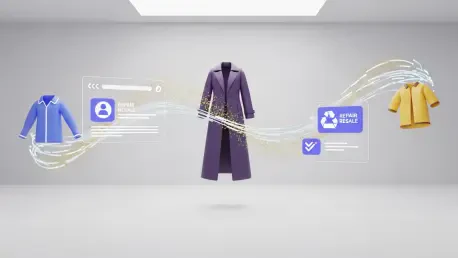
I believe we are approaching a tipping point where the industry will be forced to move away from linear consumption toward a more circular and human-centered fashion system. As consumer awareness grows and the environmental costs become impossible to ignore, brands will increasingly adopt “luxury mechanisms” like repair services and resale programs to maintain customer loyalty and promote longevity. While the pressure from social media to consume will likely persist, the integration of AI-driven shopping assistants will empower consumers to make more mindful choices that align with their ethical values. Ultimately, the industry’s survival will depend on its ability to transition from a system that prioritizes high-volume transactions to one that celebrates meaningful, long-term relationships between people and the clothes they wear. We will see a rise in “upcycling” and “downcycling” as standard practices, where old T-shirts are transformed into quilts or household rags, ensuring that every fiber is utilized to its fullest potential.