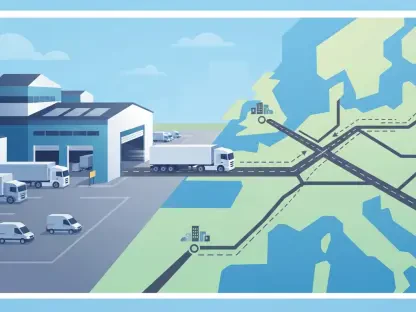

The integration of the Ethiopian highlands into the vast digital network of Eurasia marks a transformative shift in how emerging economies leverage borderless technology to redefine global commerce. This expansion signifies more than just a new market entry; it represents the maturation of a digital corridor that bypasses traditional Western trade hubs. As marketplaces move beyond physical retail, the ability to connect a Russian consumer directly with an Ethiopian coffee farmer demonstrates the power of modern supply chain diversification. Wildberries now stands as a primary bridge in this South-South cooperation, fueled by the strengthening ties within the BRICS+ framework.
The Evolution of Global E-Commerce and the Rise of the Eurasian-African Corridor
The shift from traditional brick-and-mortar retail to borderless digital marketplaces has accelerated the need for resilient supply chains. By moving into East Africa, Wildberries is diversifying its logistical footprint away from conventional East Asian routes. This strategy acknowledges the rising importance of connecting emerging economies through direct technological links rather than through third-party intermediaries.
The Ethiopia-Russia trade relationship has found a new catalyst in the BRICS+ expansion. This geopolitical alignment provides the necessary diplomatic and economic security to foster long-term investments. Consequently, the corridor between Addis Ababa and Moscow serves as a blueprint for future trade models that prioritize regional integration over traditional globalist structures.
Analyzing the Dynamics of the East African Digital Economy
Emerging Trends in African Cross-Border Trade and Digital Transformation
The “Digital Ethiopia 2030” initiative has radically improved internet penetration, creating a fertile ground for mobile-first commerce. A young, tech-savvy demographic is driving this change, favoring digital platforms over local physical markets. This behavioral shift allows niche products, such as organic coffee and artisanal leather, to find high-demand international audiences through streamlined apps.
Sovereign wealth funds have been instrumental in this transformation. Ethiopian Investment Holdings has worked to de-risk foreign direct investment, ensuring that international platforms can operate within a stable framework. This cooperation ensures that local entrepreneurs are not just participants but are active beneficiaries of the digital transition.
Market Projections and the Scalability of the Ethiopian Marketplace
Ethiopia is currently the fastest-growing economy in East Africa, offering unparalleled scalability for digital platforms. Following the integration of local sellers, the active customer base for the region is expected to climb significantly. These projections suggest that the initial entry will serve as a launchpad for broader Sub-Saharan expansion.
By the current 2026 operational phase, success will be measured by logistics efficiency and the rate of seller onboarding. Long-term models suggest a reciprocal trade system where Eurasian manufactured goods flow into Africa, while raw and artisanal African goods stabilize the supply side of the Eurasian market.
Overcoming Infrastructure and Logistical Hurdles in Emerging Markets
Solving the “last-mile” delivery challenge requires a blend of innovation and traditional infrastructure. To stabilize the supply chain, the partnership utilizes the existing network of Ethiopost. This synergy allows a digital platform to reach remote areas where private logistics firms might struggle to maintain consistent service levels.
Bridging the digital divide involves more than just providing a website. Small-scale entrepreneurs now have access to sophisticated IT frameworks and advertising tools previously reserved for global corporations. Furthermore, new strategies for managing currency fluctuations have been implemented to ensure that international payment processing remain seamless for cross-border transactions.
Navigating the Regulatory Landscape and Compliance Standards
The November 2023 strategic agreement established a clear legal framework for this venture. Adhering to international export quality standards for coffee and textiles was a prerequisite for market entry. These compliance measures ensure that products leaving Ethiopia meet the high expectations of the Eurasian consumer base.
Data protection and digital commerce regulations have been aligned with Ethiopian sovereignty laws. This ensures that while the trade remains global, the control over national data and economic assets remains localized. These protocols were essential for the operational rollout that has defined the current trade landscape.
The Future of Digital Trade: Innovation and Market Integration
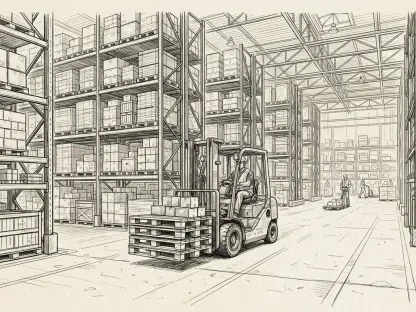
Looking ahead, AI-driven logistics and automated warehousing will likely define the next phase of the East African hub. Predictive analysis is already being used to anticipate demand for seasonal Ethiopian goods. However, the entry of competing global platforms may disrupt this dominance, forcing continuous innovation in localized fintech solutions.
The product scope is expected to move from raw exports to high-value manufactured goods. This shift will depend on the sustainability of long-distance digital routes and the ability of local manufacturers to scale production. As global economic shifts continue, these digital corridors will become the primary arteries of international wealth distribution.
Summary of Strategic Findings and the Road Toward 2026
The expansion successfully diversified the Ethiopian economy by providing a direct gateway to millions of new customers. Local stakeholders took advantage of the ecosystem by focusing on quality control and digital branding. The partnership proved that local production could meet global demand when supported by robust IT infrastructure. Ultimately, the move solidified the role of digital corridors in bypassing traditional trade barriers, paving the way for a more inclusive global economy. Stakeholders were encouraged to invest further in secondary processing to maximize the value of goods flowing through the Wildberries network.