
The consumer packaged goods industry is on the cusp of a monumental transformation, one that moves far beyond the simple modernization of existing systems into a comprehensive reinvention of its core operational fabric. This strategic pivot, driven by the convergence of advanced technology and human ingenuity, promises to reshape the entire CPG ecosystem into a more predictive, efficient, and deeply consumer-centric landscape. As articulated by industry leaders, the future will not be defined by incremental updates but by a holistic integration of five interconnected trends: Agentic AI, advanced consumer analytics, connected commerce, smart supply chains, and sustainable technology. Together, these pillars are set to dismantle outdated processes and build a new foundation for growth, innovation, and resilience in the years to come, fundamentally altering how brands create value and connect with their customers.
The Five Pillars of CPG Reinvention
The Rise of Agentic AI
The most significant technological shift forecast for the consumer packaged goods sector is the widespread adoption of Agentic AI, a class of artificial intelligence distinguished by its capacity to not only analyze real-time data and generate recommendations but also to execute actions autonomously. Unlike traditional AI, which serves primarily as an analytical tool for human decision-makers, these intelligent “agents” are designed to become deeply integrated into CPG workflows, where they can independently manage repetitive tasks, streamline complex cross-departmental processes, and enable companies to respond to market fluctuations with predictive accuracy and speed. The primary benefits of this transition are a dramatic acceleration in the pace of decision-making and a substantial increase in operational efficiency across the board. This automation is not envisioned as a replacement for human capital but rather as a strategic enabler, empowering employees by freeing them from mundane activities to concentrate on higher-value, creative, and strategic work that drives innovation.
Further elaborating on this vision, advanced algorithms are expected to enhance efficiency across the entire business, with particularly profound impacts on critical functions like supply chain management, demand forecasting, and inventory control. This evolution will allow for a more dynamic and responsive operational model, capable of self-correction and optimization in near real-time. Beyond internal operations, AI-powered personalization is set to transform consumer engagement, allowing brands to move beyond broad demographic targeting to create deeply tailored experiences that foster genuine loyalty and connection. Simultaneously, machine learning will revolutionize product innovation by enabling teams to anticipate consumer needs, identify emerging market trends faster than ever before, and iterate on product designs with data-backed confidence. Reinforcing this forward-looking perspective, a Gartner forecast predicts that by 2027, Agentic AI will significantly reduce the cost-to-value gap for certain service contracts by at least 50%, transforming routine interactions into optimized, value-creating workflows that redefine industry benchmarks for performance and efficiency.
From Big Data to Smart Decisions
Another cornerstone of the CPG reinvention involves leveraging advanced analytics to cultivate a much deeper and more nuanced understanding of consumer preferences and behaviors. Driven by the unprecedented proliferation of data from countless digital touchpoints—from social media engagement and e-commerce transactions to loyalty program activity—brands are gaining unparalleled proximity to their customers. This capability has already allowed leading companies to achieve sharper, more precise consumer segmentation and to develop smarter, more targeted marketing campaigns that deliver a demonstrably stronger return on investment. The focus has shifted from simply collecting vast amounts of information to intelligently synthesizing that data into a cohesive picture of the modern consumer, enabling brands to communicate with the right message, through the right channel, at precisely the right moment in the customer journey. This analytical prowess forms the bedrock of a more agile and responsive marketing and product development strategy.
A concrete manifestation of this trend is the development of sophisticated tools like an AI and machine learning-powered “RGM Navigator,” designed to provide optimized pricing and promotion insights. Such a system helps answer critical questions about which products to promote, the optimal timing and depth of discounts, and the ideal duration for a campaign, leading to remarkable improvements in promotional effectiveness. The future vision extends even further, aiming to pair these advanced analytics with Agentic AI to create a “virtual analyst.” This intelligent system would automatically identify emerging market trends, diagnose performance issues, and explain the key drivers behind growth or decline, transitioning the company from mere data summarization to a continuous stream of actionable, forward-looking insights. Supporting this technological ambition is a collaborative operational structure, often described as a “SWAT team” approach, where cross-functional pods composed of experts from marketing, data science, and commerce work together to drive a shared, consumer-centric data strategy across the entire organization.
The New Phygital Shopping Experience
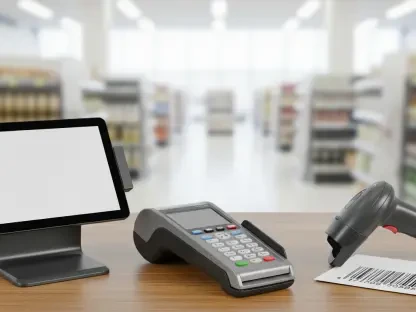
The once-clear distinction between in-store and online shopping is rapidly dissolving, giving rise to a new paradigm of “connected commerce,” often referred to as “phygital” experiences that seamlessly merge the physical and digital worlds. This integration is becoming a key strategic focus for CPG companies, as the future of retail is no longer about choosing between brick-and-mortar and e-commerce but about building comprehensive ecosystems where both channels are deeply interwoven. This can manifest in numerous ways, such as interactive packaging that links a physical product to a rich repository of online content, recipes, or brand stories via a simple smartphone scan. It also includes data-driven engagement strategies within physical stores, where customer data is used to personalize offers, displays, and interactions. To successfully execute a connected commerce strategy, brands must dismantle the internal silos that have historically separated their commerce, marketing, and data teams, as this integration is essential for creating the streamlined, omnichannel experiences that modern consumers now expect, regardless of how or where they choose to shop.
The strategic imperative to unify these functions cannot be overstated, as it represents a fundamental shift in organizational design driven by consumer behavior. Modern shoppers do not perceive a brand as separate online and offline entities; they see a single brand and expect a consistent, high-quality experience across all touchpoints. Therefore, integrating internal teams is not merely an efficiency measure but a prerequisite for delivering on this expectation. A unified structure allows for a holistic view of the customer journey, enabling brands to understand how an online advertisement influences an in-store purchase or how a store visit might lead to a later online transaction. This comprehensive perspective empowers companies to anticipate customer needs, deliver personalized value at every stage of the journey, and build a cohesive brand identity that resonates across the entire phygital landscape. This approach transforms the shopping experience from a series of disconnected transactions into a continuous, engaging dialogue between the consumer and the brand.
Building Intelligent and Resilient Supply Chains
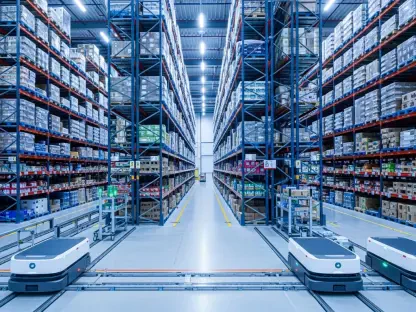
The supply chain of the future will be intelligent, resilient, and highly automated, moving far beyond its traditional role as a cost center to become a strategic driver of value and consumer trust. This next-generation supply chain will be powered by a powerful combination of Internet of Things (IoT) sensors embedded in everything from manufacturing equipment to shipping containers, predictive analytics that can forecast demand and identify potential disruptions before they occur, and blockchain technology to ensure unprecedented transparency and reliability from farm to shelf. The ultimate goal is to create a supply chain that is not just efficient in its daily operations but also smart enough to anticipate challenges and resilient enough to withstand them without significant impact on the consumer. By seamlessly connecting data from sourcing and production all the way to the retail environment, companies can better serve their customers with enhanced speed, accuracy, and dependability, ensuring that products are available when and where they are needed most.
This technological overhaul yields direct and tangible benefits for consumers, most notably in building trust through enhanced product traceability and verifiable sustainability claims. For example, a customer could scan a QR code on a package and instantly see the entire journey of the product, from the origin of its ingredients to its arrival at the store, confirming its authenticity and adherence to ethical standards. To actively pursue this vision, companies are implementing initiatives like “smart assortment” and the creation of a shared data layer. This unified ecosystem integrates disparate sources of information—such as shelf intelligence from in-store sensors, display compliance data, and digital shelf analytics—into a single source of truth. This holistic view enables coordinated, data-driven decisions across the organization and provides a clear understanding of how in-store activities directly influence online behavior, and vice versa, creating a truly synchronized and intelligent retail operation.
Embedding Sustainability Through Tech
The final, crucial pillar of the CPG reinvention underscores the inseparable link between technology and sustainability. Profound advances in data analytics, materials science, and packaging innovation are poised to accelerate the industry’s transition toward a circular economy, where resources are used more efficiently and waste is minimized. Sustainability is no longer a peripheral corporate social responsibility initiative but is being embedded into every stage of the innovation pipeline, from initial concept to final product. This includes using sophisticated technology to meticulously monitor and optimize energy consumption in manufacturing facilities, reducing the carbon footprint of production. It also involves applying AI and machine learning algorithms to design both food products and their packaging with more sustainable ingredients and materials, balancing environmental impact with performance, safety, and consumer appeal. The underlying philosophy guiding this shift is the recognition that practices beneficial for the planet are ultimately also better for business in the long run.
This sentiment is strongly echoed in the broader industry, where sustainability performance is increasingly viewed as a key indicator of operational excellence and brand health. A 2025 CGT study highlighted this trend, indicating a significant 15% year-over-year increase in companies reporting “very good or excellent” supply chain sustainability performance, a clear sign that these initiatives are gaining momentum and delivering measurable results. Technology is the critical enabler of this progress, providing the sophisticated data and analytical tools necessary to measure, manage, and report on sustainability metrics with accuracy and transparency. This capability transforms what was once considered a compliance-driven cost center into a powerful source of brand value and a distinct competitive advantage, appealing to a growing segment of consumers who prioritize environmental and ethical considerations in their purchasing decisions.
Beyond the Tech a Unified and Human-Centric Vision
The Power of an Interconnected Ecosystem
The aggregated insights from industry executives presented a cohesive and compelling vision of a CPG industry on the brink of a profound, technology-driven reinvention. The main finding was that the future of the industry would not be shaped by isolated technological upgrades but by the creation of an interconnected, intelligent ecosystem where AI, data analytics, commerce, supply chain, and sustainability are deeply and seamlessly integrated. The overarching consensus pointed to a fundamental shift from a model of reactive problem-solving to one characterized by proactive, predictive operations that place the consumer at the absolute center of every decision. This holistic approach unlocks the true potential of each individual technology, as their combined power creates a self-optimizing business model that is far greater than the sum of its parts. A unified data layer provides a single source of truth, enabling coordinated decisions and fostering a culture of collaboration that breaks down traditional organizational silos and aligns the entire enterprise around a common goal of delivering exceptional consumer value.
The Irreplaceable Role of Human Ingenuity
While technology served as the powerful engine driving this transformative change, the analysis consistently underscored that human insight remained the most critical component. The “real magic,” as Kellanova’s leadership emphasized, was found not in algorithms or data streams alone, but at the dynamic intersection of advanced technology and human curiosity. Ultimately, the success of the CPG reinvention depended on the ability of people to harness these powerful new tools, to ask the right questions of the data, and to translate complex technological capabilities into tangible, positive impact for both the business and its consumers. The most sophisticated AI and the most comprehensive analytics were only as valuable as the human ingenuity that guided them. It was this synergy—the combination of machine intelligence and human creativity—that would turn raw insights into strategic action, fostering the innovation and empathy necessary to build enduring brands in a rapidly evolving marketplace.