
In a city long celebrated as the world’s factory, a new revolution is unfolding not on the assembly line but on the sales floor, shattering the traditional storefront window and replacing it with an interactive portal where consumers step directly into the future of technology. Retail spaces are being reimagined as dynamic, hands-on laboratories where the public can engage with tomorrow’s innovations today. This strategic pivot from mass production to mass experience signals a profound shift in the relationship between technology and the consumer, establishing a new benchmark for what it means to go shopping.
The New Nexus of Manufacturing and Consumerism
Shenzhen’s identity is inextricably linked to its status as a global epicenter for intelligent manufacturing and technological innovation. For decades, the city has been the engine room powering the world’s supply of consumer electronics. However, a strategic evolution is underway, transforming this production-focused powerhouse into a consumer-facing showcase. The city is now leveraging its deep-rooted manufacturing prowess to create a symbiotic retail ecosystem where industrial innovation directly fuels compelling consumer experiences. This is not merely about selling products; it is about demonstrating the very process and potential of modern technology.
This transformation is most visible in a new wave of flagship stores that function as both commercial outlets and public showrooms for the future. Trailblazing companies are closing the loop between the factory and the storefront, creating a seamless narrative of innovation. Establishments like the inno100 flagship store and the ENGINEAI Robotics store are at the forefront of this movement. They are designed not as passive points of sale but as active hubs of discovery, inviting customers to interact with advanced robotics, wearable technology, and on-demand manufacturing tools. These pioneers are effectively writing a new chapter in retail, one where the experience of technology is as valuable as the product itself.
Charting the Course of Immersive Commerce
From Passive Buyers to Active Co-Creators
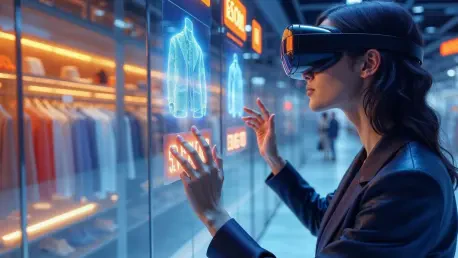
The concept of “experiential retail” is central to Shenzhen’s new commercial landscape, representing a definitive move away from transactional sales models toward engagement-driven interactions. The modern consumer is no longer content to be a passive buyer; they seek active participation and a deeper connection with the brands and products they choose. In response, these new stores are curated as immersive environments where customers can try on smart glasses, operate exoskeleton devices, and witness complex robot demonstrations up close. This hands-on approach demystifies complex technology, making it accessible and exciting.
This shift empowers consumers to become co-creators in their purchasing journey. The integration of technologies like 3D printers and customization workstations within the retail space, as seen at inno100, is a prime example of this trend. Customers are invited to participate in the design and creation of their products, fostering a powerful sense of ownership and personalization. This move toward hands-on engagement reflects a broader change in consumer behavior, where the demand for bespoke products and memorable experiences is rapidly eclipsing the appeal of mass-produced goods.
Projecting the Growth of a Tech-Infused Market
The initial consumer reception to these tech-infused retail models has been overwhelmingly positive, signaling significant market potential. High foot traffic and impressive customer interaction rates at newly opened stores indicate a strong public appetite for this new form of commerce. These venues are becoming destinations in their own right, attracting not only serious tech enthusiasts but also families and curious shoppers, thereby broadening the market base for advanced technology. The high engagement levels suggest that the investment in creating these experiences is translating into tangible brand impact and consumer interest.
Looking forward, the expansion of this retail model appears imminent. The success of pioneering stores in key districts like Nanshan and Futian provides a compelling blueprint for replication and adaptation across Shenzhen and other major technology hubs. The forecast is for this trend to move beyond standalone flagship locations and begin integrating into more diverse retail settings. Key performance indicators, such as sustained visitor numbers, conversion rates from interaction to sale, and social media sentiment, will be crucial in measuring the long-term success and guiding the strategic rollout of this immersive commercial strategy.
Overcoming Hurdles in the Phygital Revolution
Despite the excitement, the path to a widespread phygital—physical and digital—retail revolution is paved with significant challenges. The most immediate hurdle is the substantial financial investment required. Outfitting a store with advanced robotics, interactive displays, -D printers, and a constantly refreshed inventory of cutting-edge gadgets demands significant capital outlay. These high operational costs can be a formidable barrier to entry for smaller retailers and may require new business models to ensure profitability beyond traditional sales metrics.
Furthermore, the very nature of this model creates an ongoing operational challenge: maintaining a truly cutting-edge showcase. Technology evolves at a breakneck pace, and a store that is revolutionary today could feel dated in a matter of months. This necessitates a continuous cycle of investment in new products and technological upgrades, as well as a highly skilled staff capable of demonstrating and explaining complex innovations. The logistical complexity of keeping the experience fresh and relevant for repeat visitors adds another layer of difficulty.
Scalability presents another critical issue. The unique, highly curated experiences found in these flagship stores are difficult to replicate across a large network of locations. The bespoke nature of the customer journey and the reliance on specialized equipment and personnel make standardization a complex task. Brands will need to find a balance between delivering a consistent, high-quality immersive experience and adapting the model to different market sizes, consumer demographics, and physical store footprints without diluting its core appeal.
Crafting Governance for Next-Generation Retail
The rise of highly interactive, AI-driven retail environments introduces a new set of regulatory considerations. As consumers engage directly with advanced robotics and intelligent systems within stores, clear governance is needed to ensure safety and define liability. Policymakers must establish standards for human-robot interaction in public commercial spaces, addressing everything from the physical safety of customers to the operational protocols for autonomous devices. This proactive approach is essential to building public trust and facilitating the responsible adoption of these technologies.
Moreover, the proliferation of smart devices that collect data within the retail space brings data privacy and security to the forefront. Interactive displays, personalized recommendations powered by AI, and even smart wearables tried on by customers can generate vast amounts of personal data. Crafting robust regulations that protect consumer privacy while still allowing for a personalized experience is a delicate but necessary balance. Clear guidelines on data collection, storage, and usage will be paramount to preventing misuse and ensuring consumers feel secure in these new environments.
Finally, the trend toward in-store customization and 3D printing introduces new complexities for product liability and consumer safety. When a customer participates in the manufacturing of a product, questions arise regarding accountability for defects or safety issues. New standards are needed to delineate the responsibilities of the technology provider, the retailer, and the consumer in these co-creation scenarios. Establishing a clear legal framework will be crucial for protecting all parties and encouraging further innovation in personalized manufacturing.
The Future Unboxed: What’s Next for Experiential Retail
The integration of immersive technologies into retail is not a fleeting trend but the beginning of a fundamental reshaping of the consumer landscape. In the coming years, expect to see the evolution from designated experiential zones to entire stores designed around seamless digital and physical interaction. Augmented reality will likely play a larger role, allowing shoppers to visualize products in their own homes or customize virtual items before they are physically created. The technologies on display today are merely the foundation for even more integrated and intuitive shopping journeys.
The market is also ripe for new disruptors that could push the boundaries even further. The concept of fully autonomous stores, managed by AI and staffed by robots, is moving from science fiction to a tangible possibility. These stores could offer 24/7 access and an unparalleled level of efficiency. Another significant disruptor will be the rise of hyper-personalized manufacturing at a micro-level, where local retail hubs can produce highly customized goods on demand, radically decentralizing production and shortening supply chains.
Ultimately, this evolution is being driven by a permanent shift in consumer expectations. The modern shopper increasingly values experience over ownership, personalization over mass production, and engagement over passive consumption. Retailers who fail to adapt to this new paradigm will struggle to maintain relevance. The future of retail will belong to those who can successfully merge the digital and physical worlds to create compelling, memorable, and personalized experiences that build lasting brand loyalty.
A Blueprint for the Future: Final Insights and Strategic Outlook
Shenzhen’s bold foray into immersive retail has established a new global benchmark for how technology can be integrated into the consumer experience. The city successfully leveraged its unique position as a manufacturing giant to create a powerful, consumer-facing innovation narrative. By transforming retail stores into interactive showrooms, Shenzhen demonstrated a viable model for bridging the gap between complex technological advancements and the general public, making the future feel both accessible and exciting.
The long-term viability of this immersive retail model rests on its ability to evolve beyond novelty and deliver sustained value. Its impact is measured not just in sales figures but in its capacity to build brand ecosystems, gather invaluable consumer feedback for product development, and cultivate a tech-literate populace. The success seen in these early stages suggests that experiential retail, when executed thoughtfully, is more than a marketing strategy; it is a sustainable commercial platform for the technology-driven economy of the future.
For other cities and brands looking to innovate, Shenzhen’s approach offers a clear strategic blueprint. The core lesson is to lead with the experience, not the product. Creating engaging, educational, and personalized environments fosters a deeper connection with consumers than traditional retail ever could. The strategic recommendations that emerge are to invest in interactive technologies, empower consumers with creative tools, and build a physical presence that serves as a dynamic embodiment of the brand’s innovative spirit.