
Zainab Hussain is a distinguished e-commerce strategist and operations expert who has spent years at the intersection of retail floor dynamics and digital transformation. Her work focuses on bridging the gap between back-end efficiency and the front-end customer experience, ensuring that technology serves as an enabler rather than a distraction for the modern workforce. In this discussion, we explore the shifting landscape of retail communication, examining how hardware consolidation and real-time data access are redefining the roles of store associates.
The conversation covers the evolution from fragmented legacy tools to unified mobile platforms, the psychological impact of digital connectivity on employee retention, and the operational advantages of ruggedized hardware in high-pressure environments. We also delve into the nuances of maintaining a professional store presence while utilizing mobile devices and how providing a digital identity to every worker fosters a deeper sense of brand community.
Transitioning from traditional badge radios to rugged smartphones with push-to-talk features changes store dynamics. How does removing the need for separate communication devices impact employee mobility, and what specific improvements in security or compliance have you observed during this hardware consolidation?
The transition away from clunky, static-filled badge radios toward a unified device strategy is nothing short of a game-changer for the modern retail floor. When an associate no longer has to juggle a dedicated radio, a separate inventory scanner, and a clunky earpiece, their physical mobility increases significantly, allowing them to glide between the stockroom and the sales floor without feeling weighed down by hardware. We’ve seen retailers like River Island embrace this shift by putting a Samsung rugged device into the hands of every single associate, which fundamentally alters the speed at which information flows through the store. From a security and compliance standpoint, consolidating these functions into a platform like Microsoft Teams ensures that all peer-to-peer communication is encrypted and stored within a managed corporate ecosystem, rather than happening over unsecure personal messaging apps. Instead of a manager having to manually cascade news to field staff in the morning, updates are pushed instantly to the entire team, creating a verifiable and secure trail of communication that protects both the employee and the brand.
Customers often feel neglected when they see employees using mobile devices on the sales floor. How can voice-to-text messaging help staff maintain a professional presence, and what are the practical benefits of using voice-driven updates for time-sensitive tasks like inventory management or truck arrivals?
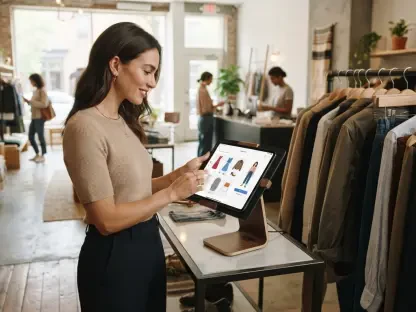
The “heads-down” employee is one of the biggest friction points in retail today, as customers often mistake a staff member performing a work-related inventory check for someone scrolling through personal social media. Voice-to-text messaging effectively solves this perception problem by allowing associates to dictate updates or questions while keeping their eyes up and scanning the sales floor for customers who need assistance. When a truck arrives at the loading dock, a manager can send a quick voice-to-text message with specific unloading instructions that appears instantly as a text on the recipient’s device, allowing the associate to act without ever having to stop and type a response. This creates a fluid workflow where the sensory experience of the store remains focused on the shopper, while the backend logistics—like immediate price checks or stock replenishment—happen seamlessly in the background. It transforms the mobile device from a barrier into a discreet tool, ensuring that the human element of service remains the priority even during the busiest inventory cycles.
Using digital platforms for training involves more than just sharing documents. How does delivering video content and business updates directly to individual handsets foster a sense of belonging among associates, and how has integrating shift management features changed the way managers track hours?
By delivering high-quality video content and business updates directly to an associate’s personal workstation—their handset—you are essentially giving them a digital identity and a seat at the corporate table. At River Island, for example, the use of SharePoint and Teams on Samsung devices has allowed leadership to push training modules that were previously only available to those with access to a back-office computer, making every floor worker feel like a valued part of the “family.” This shift toward digital empowerment is most visible in the move away from paper-based management; associates can now clock in and out directly on their devices, removing the frustration of chasing down a manager to sign off on handwritten hours. When an employee can manage their own schedule and see their training progress in real-time, it builds a culture of transparency and accountability that makes them feel much more connected to the broader business goals. It turns a temporary job into a professional role where the associate has all the tools they need to succeed and grow within the company right in their pocket.
Speed is critical when responding to price checks or customer inquiries in real-time. Beyond local store limits, how does global push-to-talk connectivity allow for better resource sharing across a brand, and what steps should leaders take to ensure technology reduces staff churn?
One of the most impressive features of modern retail tech is that push-to-talk connectivity is no longer tethered to a physical radio tower in the back of the store; it now works anywhere in the world. This means an associate in a London flagship store could potentially join a secure channel to consult with an expert at headquarters or a nearby branch to locate a rare item, providing a level of service that was previously impossible. This instant connectivity directly impacts employee satisfaction because it removes the “helplessness” factor—associates are never left without an answer when a customer is standing right in front of them, which significantly reduces the stress that leads to churn. To truly reduce turnover, leaders must ensure that these devices are viewed as a benefit that makes the job easier, not just another way for management to track them. By providing tools that offer instant answers and easier communication, you are investing in the associate’s daily experience, which in turn justifies the hardware investment through a more loyal and effective workforce.
Rugged hardware must withstand the non-stop nature of a retail shift while remaining user-friendly. In what ways does a unified device strategy simplify the onboarding process for new hires, and how do integrated software suites specifically help associates stay “heads up” during busy hours?
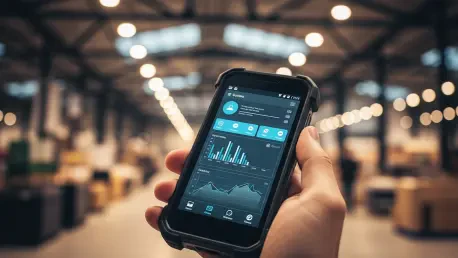
Retail is a high-impact environment where a device might be dropped on a concrete floor or splashed in a stockroom multiple times a day, so using a device like the Galaxy XCover7 Pro is essential for operational longevity. A unified device strategy simplifies onboarding because new hires only have to learn one interface—a smartphone UI they are likely already familiar with—rather than mastering three or four legacy systems like handheld scanners and specialized radios. The integration of Office 365 apps like Excel, Power BI, and Planner means that all the data they need is accessible within a familiar ecosystem, allowing them to spend less time “figuring out the tech” and more time engaging with shoppers. This software synergy keeps staff “heads up” because the information is pushed to them through intuitive notifications and simple one-touch interfaces, ensuring that the technology supports the rhythm of the store rather than disrupting it. Ultimately, a durable, user-friendly device removes the friction of technical failure, allowing the team to remain agile and nimble during the most demanding peak hours.
What is your forecast for retail collaboration technology?
I anticipate that the next three to five years will see the total disappearance of single-use hardware on the sales floor in favor of hyper-integrated, AI-enhanced mobile platforms. We will move beyond simple push-to-talk toward predictive collaboration, where a device might sense an associate’s location near a specific display and automatically surface real-time stock levels or upcoming promotional changes before they even ask. The focus will shift heavily toward “silent” retail, where the loud, disruptive intercom systems of the past are replaced by haptic alerts and discreet voice-to-text updates that keep the store environment calm and premium. Furthermore, as the workforce continues to demand flexibility, I expect shift management and peer-to-peer training to become even more decentralized, allowing the front-line associate to act as a true “brand ambassador” with the same level of data access as a corporate office executive. Success in this new era will be defined by how well a brand can hide the complexity of its technology while maximizing the human connection it facilitates.