
The global retail landscape is currently undergoing an unprecedented digital overhaul that fundamentally alters how brick-and-mortar establishments compete with their online counterparts through the integration of the Internet of Things. Market projections indicate that this sector, currently valued at approximately thirty-one billion dollars, is on a trajectory to reach a staggering ninety-one billion dollars by 2035. This steady compound annual growth rate of over ten percent signals a permanent shift in how physical commerce operates, moving away from isolated transactions toward a continuous stream of data-driven interactions. At the heart of this evolution is a sophisticated network of physical devices, ranging from environmental sensors to intelligent tags, which work in unison to gather real-time insights. By bridging the gap between physical goods and digital management systems, retailers are finding new ways to streamline their store operations while simultaneously elevating the quality of the customer journey in ways previously thought impossible.
Core Growth Drivers and Market Functions
Enhancing Consumer Interaction and Operational Precision
The modern push toward smart shopping environments represents a strategic move to replicate the high level of personalization found in e-commerce within a physical retail setting. By utilizing real-time data streaming from connected devices, store managers can push tailored promotions directly to a shopper’s mobile device the moment they approach a specific display or aisle. This level of granular engagement turns a static storefront into a living ecosystem that actively anticipates and responds to individual consumer preferences. Interactive displays equipped with proximity sensors further enhance this experience by providing detailed product information, reviews, and styling tips without requiring the presence of a sales associate. This technology does not merely improve convenience; it fosters a deeper emotional connection between the brand and the buyer. As these systems become more intuitive, they allow retailers to create high-touch environments that justify the continued existence of physical storefronts in a digital age.
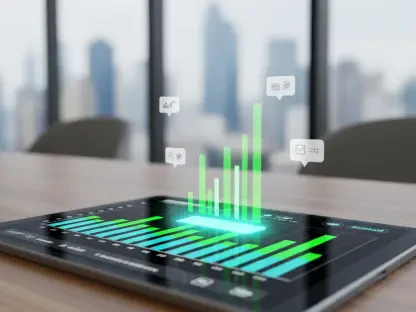
Beyond the immediate benefits of customer engagement, the data generated by these interconnected systems has emerged as the most valuable asset for competitive retail enterprises in the current market. IoT devices serve as tireless sentinels, providing a constant flow of information regarding foot traffic patterns, dwell times, and the operational health of various store departments. When this raw data is funneled through sophisticated analytic platforms, it yields actionable insights that allow for precision in administrative decision-making processes. For instance, managers can now adjust staffing levels in real time based on actual customer density rather than relying on historical averages or guesswork. Similarly, pricing strategies can be fine-tuned dynamically to reflect current demand or local inventory levels. This shift toward a data-centric model ensures that every square foot of retail space is leveraged for maximum profitability while minimizing the friction that often characterizes traditional shopping environments.
Optimizing the Supply Chain and Inventory
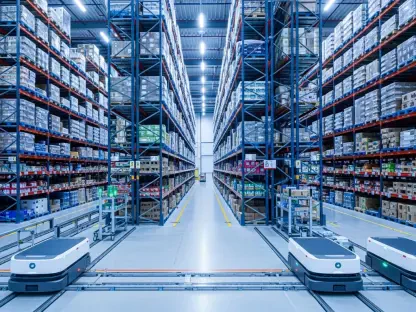
Inventory mismanagement remains one of the most significant drains on retail profitability, but the deployment of advanced tracking solutions is finally offering a definitive remedy. Smart shelving units and radio frequency identification systems provide an unprecedented level of visibility into the movement of goods from the distribution center to the point of sale. These sensors allow for a constant, automated audit of stock levels, notifying staff immediately when a specific item is running low or has been misplaced on the floor. By maintaining a real-time digital twin of the physical inventory, retailers can drastically reduce the occurrence of out-of-stock scenarios that lead to lost sales and frustrated patrons. This level of precision is particularly critical in grocery and apparel sectors, where product turnover is high and seasonal trends can shift rapidly. The ability to track a single unit of merchandise throughout its lifecycle empowers businesses to operate with a lean inventory model without risking the availability of items.
The benefits of this technological oversight extend far beyond the four walls of the individual store, creating a more resilient and transparent global supply chain. When inventory data is shared across the entire logistics network, manufacturers and distributors can synchronize their production schedules with actual consumer demand at the retail level. This synchronization prevents the accumulation of excess stock, which often results in aggressive markdowns and significant financial losses for the company. Furthermore, the integration of temperature sensors and moisture detectors within the supply chain ensures the integrity of sensitive goods, such as perishables and pharmaceuticals, during transit. By providing a verifiable record of handling conditions, retailers can guarantee product quality and reduce waste caused by spoilage or damage. This comprehensive approach to logistics not only protects the bottom line but also enhances the brand’s reputation for reliability. The result is a more sustainable business model that prioritizes resource efficiency.
The Technological Landscape and Global Reach
Technological Foundations and Competitive Players
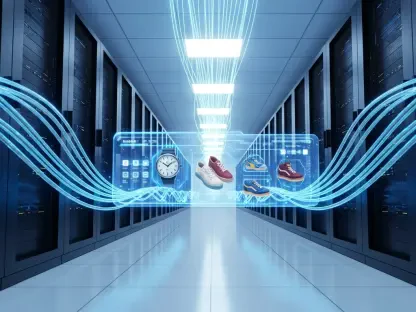
The infrastructure currently supporting the retail IoT revolution is a sophisticated blend of specialized hardware and cloud-based software architectures. Edge computing has become a cornerstone of this technological ecosystem, allowing for the localized processing of massive data sets directly on the store floor. This proximity to the source of data is essential for low-latency applications, such as automated checkout systems where sensors must detect and process transactions in milliseconds. By offloading primary processing tasks from the central cloud to edge nodes, retailers can maintain operations even during network disruptions while significantly reducing bandwidth costs. Major technology providers are focusing their research and development efforts on creating integrated platforms that combine these edge capabilities with advanced artificial intelligence. These AI-driven systems are capable of recognizing complex patterns in consumer behavior, allowing for even more predictive store management.
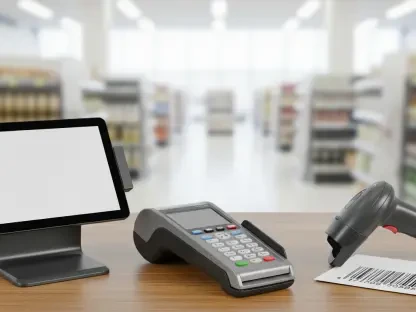
Within this competitive landscape, industry giants like Microsoft, Intel, and Amazon are collaborating with hardware manufacturers to deliver comprehensive, end-to-end solutions. The hardware side of the market is becoming increasingly diverse, featuring everything from low-power Bluetooth beacons for proximity marketing to high-tech wearables worn by store associates. These wearable devices allow staff to receive instant alerts regarding customer service needs or inventory replenishment tasks, ensuring that personnel are always deployed where they are most effective. Additionally, the rise of frictionless shopping concepts is pushing the boundaries of what sensors and cameras can achieve, allowing customers to walk in, pick up items, and leave without ever interacting with a traditional register. These innovations are not just proofs of concept; they are becoming the benchmark for modern retail efficiency. The focus is shifting toward creating a unified tech stack that manages everything from security and loss prevention to lighting.
Regional Adoption and Future Expectations
Geographically, North America currently maintains a leading position in the market due to its mature cloud infrastructure and the aggressive investment strategies of major retail corporations. The concentration of tech-heavy retailers in the United States has accelerated the deployment of automated warehouses and smart storefronts, setting a global standard for digital integration. However, the Asia-Pacific region is poised to experience the fastest growth rate over the coming decade. High smartphone penetration in countries such as China, India, and South Korea, combined with a burgeoning middle class, creates a fertile environment for large-scale IoT adoption. In these markets, the lines between mobile commerce and physical shopping are already blurred, making the introduction of connected store technologies a natural progression. As digital infrastructure continues to expand in these regions, the sheer scale of the consumer base will likely drive massive volume in IoT hardware shipments and software service contracts.
Looking ahead to the next decade, the industry reached a consensus that IoT will transition from a high-end competitive advantage to a fundamental operational requirement. Future developments are expected to focus heavily on sustainability, using connected sensors to monitor and drastically reduce energy consumption and carbon footprints within massive retail facilities. This trend aligns with global regulatory pressures and consumer demand for more environmentally responsible business practices. Furthermore, the deep integration of IoT with customer loyalty programs will create a seamless omnichannel experience where the transition between online browsing and in-store purchasing is completely invisible to the user. Retailers who successfully navigated the initial complexities of this digital transformation found themselves better equipped to handle market volatility. The emphasis moved toward building long-term resilience through automated systems that could adapt to changing labor markets and consumer habits with minimal manual intervention.