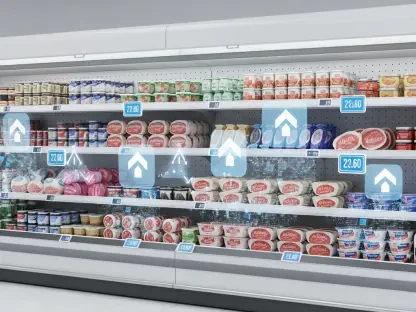

For a confectionery giant built on generations of beloved recipes, the path to future growth is paved not with sugar but with sophisticated data. Perfetti Van Melle (PVM), the global powerhouse behind iconic brands like Mentos and Chupa Chups, recognized that its legacy systems, while reliable, were becoming a bottleneck in an industry that now moves at the speed of digital commerce. The company embarked on a comprehensive overhaul of its supply chain, a strategic pivot designed to enhance efficiency, boost capacity, and secure its competitive edge for decades to come.
When Iconic Brands Meet Modern Demands
Established companies face a persistent challenge: how to embrace the speed and efficiency demanded by modern markets without compromising the quality that defines their legacy. In the global confectionery sector, this pressure is amplified by fluctuating consumer tastes, complex global logistics, and intense competition. For Perfetti Van Melle, maintaining its status as a market leader meant confronting this challenge directly, requiring a fundamental shift in its operational philosophy.
The Mandate for a Modern Supply Chain
The imperative for change was driven by a clear business objective: to unlock new levels of productivity and capacity to fuel the company’s ambitious growth agenda. Simply optimizing existing processes was no longer sufficient. To achieve its goals, PVM needed a complete, end-to-end transformation of its supply chain, moving from a traditional model to one that was agile, responsive, and intelligent.
To spearhead this monumental task, the company brought in Mike Gomes as Vice President of Supply Chain for its North American business. Gomes was tasked with executing this vision, deconstructing manual processes that had reached their operational ceiling and rebuilding them on a modern, data-driven foundation. The core problem was clear: legacy systems lacked the visibility and flexibility required to navigate an increasingly complex and digital world.
A Three Pillar Strategy for Transformation
The transformation was built on a deliberate, three-pillar strategy. The first pillar focused on laying a foundation for excellence. This began with a meticulous analysis to identify and resolve the most critical supply chain bottlenecks. Concurrently, PVM reinforced its commitment to fundamentals, prioritizing food safety, quality, and waste elimination through rigorous manufacturing excellence practices like Total Productive Maintenance (TPM).
To validate new models and secure early wins, the strategy incorporated pilot lines and value streams. These controlled environments served as a proof of concept, demonstrating tangible results that built momentum for wider adoption. More importantly, they became training grounds, introducing teams to new ways of working and fostering the necessary cultural shift away from legacy mindsets.
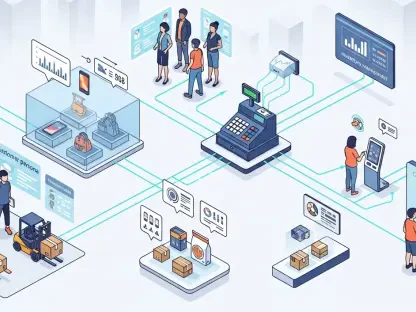
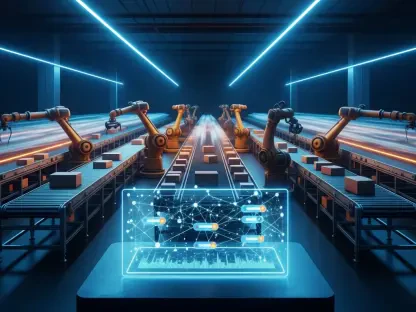
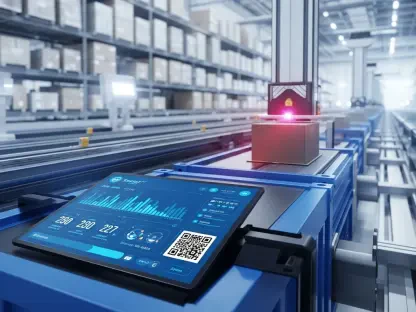
The second pillar embraced a full-scale digital revolution. This involved a strategic shift from manual labor to extensive automation within factories and warehouses. Anchoring this technological evolution is an enhanced ERP core running on SAP S/4HANA, which now serves as the digital backbone for a more agile and integrated supply chain. This system provides a single source of truth, enabling faster, more informed decision-making across the organization.
The third pillar centered on building a culture of empowerment. Beyond automation, PVM is leveraging artificial intelligence and advanced analytics to unlock deeper operational insights. These tools allow for more sophisticated problem-solving, moving from reactive fixes to predictive and proactive management. A significant investment in leadership development was also made to create strong, self-sufficient teams capable of driving and sustaining the transformation independently.
Insights from the Architect of Change
According to Mike Gomes, the decision to start small was critical to winning big. Proving the effectiveness of new systems on pilot lines before a full-scale rollout minimized risk, validated the business case, and generated enthusiasm among stakeholders. This methodical approach ensured that each phase of the transformation was built on a proven foundation.
Looking forward, the vision is to establish a world-class Integrated Business Planning (IBP) system. This system is envisioned as the central “brain” of the supply chain, orchestrating all planning and execution functions to maximize business benefits and align operational activities with strategic goals. Ultimately, the objective is to cultivate a nimble, continuously learning organization supported by empowered teams who can effectively respond to evolving consumer needs.
The Blueprint for a Data Centric Future
PVM’s journey provides a clear blueprint for other legacy companies. The initial phase required a thorough diagnosis to pinpoint primary constraints, followed by a stabilization period focused on foundational issues like safety and quality. This created a stable base for implementing more complex changes.
The subsequent phases centered on testing and scaling. Targeted pilot programs were used to validate new technologies and processes, generating the data needed to justify broader adoption. With a proven business case, the company invested in a modern ERP and data infrastructure, strategically introducing automation where it could deliver the greatest impact. The final step involves scaling successful frameworks like TPM and IBP across the entire organization, supported by a continuous focus on developing internal talent to sustain the new data-centric model.
Perfetti Van Melle’s transformation demonstrated a masterful integration of technology, process refinement, and cultural development. By strategically deconstructing its legacy operations and rebuilding them on a data-centric foundation, the company not only solved immediate efficiency challenges but also established a framework for sustained growth. This holistic approach has positioned PVM to navigate the complexities of the modern market with enhanced agility, ensuring its iconic brands continue to thrive for years to come.