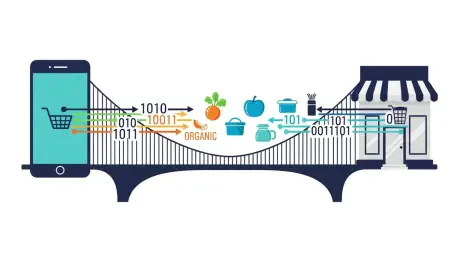

The traditional marketing funnel has undergone a radical transformation where the distance between initial brand awareness and the final transaction is no longer a matter of conjecture but a measurable science. Modern retailers are no longer content with being mere distribution points for third-party goods; they have evolved into sophisticated data powerhouses that provide the primary intelligence for advertising campaigns. This evolution is led by initiatives that prioritize first-party purchase data over traditional metrics like clicks or impressions, which often fail to correlate with actual sales. By leveraging the granular insights found in daily shopping habits, companies are now able to close the loop between seeing an advertisement on a smartphone and completing a purchase at a physical register. This shift ensures that every dollar spent on marketing is grounded in verified consumer behavior, effectively eliminating much of the waste associated with legacy advertising models that relied on broad demographics.
Bridging Social Media and Verified Store Transactions
The integration of retail purchase data into major social media platforms like TikTok represents a significant leap forward for brands seeking to optimize their digital spending. Historically, social media advertising was often criticized for its lack of direct attribution to brick-and-mortar sales, leaving marketers to rely on engagement rates as a proxy for success. However, by layering actual shopping history onto these platforms, advertisers can now target users based on what they have recently bought in physical stores. This approach transforms the social feed into a highly personalized catalog where the advertisements shown are directly relevant to the user’s specific dietary preferences or household needs. Consequently, a brand can reach a consumer who has a proven history of purchasing organic produce or specific pet food brands, ensuring that the promotional content is welcomed rather than viewed as an intrusive or irrelevant distraction.
To make this system effective, a robust closed-loop measurement framework must be established to track the journey from a digital impression to a confirmed transaction. This technology allows a brand to see exactly how many people who viewed a specific video or banner went on to buy the product within a certain timeframe, whether they shopped online or in a physical aisle. This level of transparency is becoming the new standard for the period between 2026 and 2028, as advertisers demand more accountability for their investments. By utilizing anonymized household IDs, retailers can provide these insights without compromising individual privacy, creating a secure environment where data-driven decisions thrive. The result is a more efficient marketplace where brands can refine their creative strategies in real-time based on what is actually moving off the shelves, rather than waiting for quarterly reports to understand the impact of their high-profile digital campaigns.
Analyzing Consumer Psychology Through Detailed Purchase Signals
The concept of a “basket to brain” philosophy suggests that a simple grocery receipt is a far more accurate reflection of a consumer’s psyche than any traditional demographic profile. While age, gender, and zip code provide a basic framework, they do not capture the nuances of daily life or the specific values that drive a person to choose one brand over another. SKU-level data, which tracks the specific items and variations of products purchased, allows marketers to build a detailed picture of a consumer’s lifestyle, such as their commitment to sustainability or their preference for convenience. By looking at the contents of a digital or physical cart, brands can understand the “why” behind the “what,” moving past surface-level interactions to a deeper understanding of household priorities. This intelligence allows for a level of personalization that feels intuitive to the shopper, as the offers they receive align with their actual needs.
These behavioral signals serve as a powerful predictive engine that can identify major life transitions before they are even explicitly stated by the consumer. For example, a sudden shift in purchasing patterns toward specific vitamins or unscented household cleaners often precedes official announcements of major lifestyle changes, such as the arrival of a new family member or a shift in dietary health. Between 2026 and 2028, the ability to anticipate these needs will separate successful retailers from those who are merely reactive. By analyzing the frequency and consistency of these signals, brands can enter a consumer’s journey at the exact moment their needs change, providing value when it is most impactful. This predictive capability ensures that marketing remains a helpful service rather than a repetitive annoyance, as the data provides a window into the evolving habits and aspirations of a diverse customer base across different geographic regions.
Expanding Retail Intelligence to Non-Endemic Business Sectors
Retail media is rapidly expanding beyond the boundaries of traditional consumer packaged goods to include industries that do not sell products directly on grocery store shelves. These non-endemic players, such as those in the automotive, financial, and travel sectors, are discovering that retail data provides a unique perspective on consumer spending power and lifestyle choices. For instance, a car manufacturer can utilize fuel purchase frequency and total household spend to identify potential customers who are likely to be in the market for a new vehicle or specific maintenance services. This cross-industry application of data allows for a more holistic view of the consumer, where grocery shopping habits serve as a proxy for broader financial health and interests. As more industries recognize the value of this high-fidelity data, the role of the retailer as a central information hub will only continue to grow.
For this strategy to reach its full potential, the advertising industry must dismantle the internal silos that have traditionally separated retail media teams from national brand departments. In many organizations, these groups operate independently, leading to fragmented strategies and inconsistent messaging across different channels. By adopting retail intelligence as a foundational layer for all marketing efforts, companies can ensure that their national campaigns are informed by the same ground-level truths that drive their retail-specific promotions. This integration allows for a more cohesive brand narrative, where the insights gathered from the checkout lane inform everything from high-budget television commercials to localized digital banners. The goal is to create a unified approach where every marketing touchpoint is synchronized, using verified purchase data to steer the entire ship toward more profitable and meaningful consumer engagements.
Implementing Intelligent Infrastructure in Physical Shopping Environments
The physical grocery store is being reimagined as a dynamic media channel that blends digital storytelling with the tactile experience of in-person shopping. Digital screens, smart endcaps, and interactive displays are becoming common features that allow brands to communicate with consumers at the most critical point of the journey: the moment of purchase. These tools are not just for showing static advertisements; they are capable of delivering contextually relevant messages based on the time of day, current weather, or specific shopping missions. A shopper looking for dinner ingredients on a Tuesday evening might see different prompts than a person doing a large stock-up trip on a Saturday morning. By aligning digital narratives with the physical shelf, retailers can solve consumer problems in real-time, offering recipe suggestions or product pairings that enhance the overall shopping experience.
Artificial Intelligence and edge computing are the silent engines driving these modern store environments, enabling real-time adjustments that were previously impossible. These technologies can monitor inventory levels and shopper traffic patterns to ensure that the advertisements displayed are always relevant and backed by available stock. If a specific product is running low, the system can automatically pivot to promote a different flavor or a complementary item, preventing consumer frustration and optimizing sales. However, the success of these smart stores depends on the establishment of a standardized measurement system that can accurately attribute sales across both digital and physical touchpoints. Without a clear and agreed-upon framework for how to count a successful conversion, the industry risks confusion and misallocated resources. Developing these standards is a priority for the next few years to ensure absolute clarity for all stakeholders involved.
Establishing a Unified Standard for Retail Intelligence Success
The marketing industry moved toward a comprehensive model of retail intelligence that prioritized tangible purchase signals over ephemeral digital engagement. This transition required brands to move away from fragmented data sources and adopt a more holistic view of the consumer journey, where the grocery cart served as the ultimate source of truth. It was found that success was most consistently achieved by organizations that treated retail data as a strategic asset rather than a tactical tool. By integrating these insights across all departments, companies were able to create more relevant experiences that resonated with consumers on a personal level. The move toward standardized measurement provided the necessary confidence for brands to increase their investments in retail media, knowing that every dollar was tied to a verified result. This shift in perspective allowed the industry to focus on long-term value creation rather than short-term vanity metrics.
Moving forward, the primary focus for marketers must be the continued refinement of privacy-first data sharing and the adoption of cross-platform attribution models. Brands should prioritize partnerships with retailers that offer transparent reporting and a deep commitment to protecting consumer information. The next logical step involves expanding the use of predictive analytics to not only understand current behavior but to shape future inventory and supply chain decisions based on anticipated demand. By aligning marketing strategies with operational realities, companies can reduce waste and improve the overall efficiency of the retail ecosystem. It is essential for teams to stay agile, as the rapid advancement of AI and machine learning will continue to offer new ways to interpret consumer signals. The organizations that successfully navigate this data-rich landscape will be those that view every purchase not just as a sale, but as a conversation with the customer.