
The integration of Level 3 electric vehicle fast-charging into traditional petroleum infrastructure demonstrates how convenience hubs are adapting to a diverse energy future. This shift is not merely a superficial update but a fundamental structural transformation of the retail landscape. The persistent global labor shortage and a decisive pivot in consumer behavior toward frictionless, on-demand service have moved automation from the periphery to the very core of business strategy. Industry benchmarks indicate that the modern convenience store is evolving into a highly integrated, unstaffed retail hub. Operators are no longer looking at technology as a supplementary tool for staff but as the primary architecture of the store itself. This transition ensures that the retail environment remains viable even as traditional staffing models become increasingly difficult to sustain. By reimagining the physical boundaries of the store, retailers are creating an ecosystem of interconnected touchpoints that prioritize speed and efficiency above all else. This evolution allows the convenience sector to meet the rapid pace of modern life while optimizing every square foot of available real estate for maximum throughput and profitability. Furthermore, the convergence of vending technology and traditional retail has blurred the lines between different formats, creating a hybrid model that functions twenty-four hours a day without constant human intervention.
Seamless Commerce and Unstaffed Environments
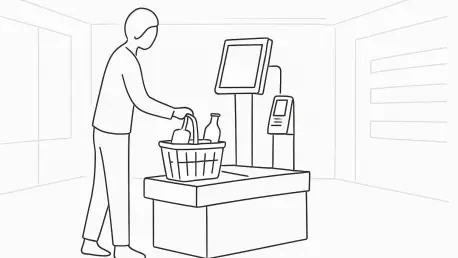
The transition toward unstaffed retail is most evident in the surge of sophisticated micro-markets and advanced “grab-and-go” models. These systems bridge the gap between fresh foodservice and fuel sales, allowing customers to order made-to-order meals and pay for gasoline in a single, unattended transaction. By integrating point-of-sale systems directly with kitchen display units and fuel controllers, operators have reduced the friction that previously defined the convenience store experience. For instance, high-volume urban locations now utilize systems that prioritize speed through intuitive interfaces, preventing the bottlenecks that often occur during peak morning and evening rushes. This level of automation does more than just replace a cashier; it creates a seamless loop where data flows between the kitchen, the pump, and the inventory management system in real-time. Consequently, the need for frontline staff is significantly minimized, allowing the workforce to focus on high-value tasks such as food quality control and facility maintenance rather than repetitive transaction processing.
In urban centers and corporate settings, the deployment of computer-vision artificial intelligence is perfecting the checkout process to a degree once thought impossible. Instead of scanning individual barcodes, shoppers simply place their entire basket of items on a platform where high-speed cameras recognize products instantly through visual data. This technology eliminates the frustration of unreadable labels and the slow pace of manual scanning, moving the customer through the store in seconds. Furthermore, enterprise-level terminals have become increasingly affordable, ensuring that independent neighborhood shops can offer the same autonomous experience as large global chains. This democratization of technology means that the “convenience hub” model is not exclusive to major corporations but is becoming a standard expectation for consumers across all demographics. As these systems become more prevalent, the traditional checkout counter is being replaced by open-floor plans that encourage fluid movement and a more relaxed shopping environment, fundamentally changing the physical layout of modern retail spaces.
Secure Cash Automation and Interoperability
Despite the rapid growth of digital wallets and contactless payments, cash remains a vital component of the retail economy, necessitating advanced automated handling solutions to maintain security. Modern smart safes are now connected directly to store networks, providing real-time data on cash volumes and allowing retailers to receive electronic bank credit before the money is even physically collected by an armored vehicle. This “closed-loop” approach removes the potential for human error and significantly reduces the risks associated with internal theft or external security threats. By automating the validation and counting process at the point of sale, operators can maintain a robust audit trail that matches the precision of digital transactions. This integration ensures that the financial management of an unstaffed kiosk is just as reliable as a traditional bank-led environment. The ability to monitor cash flow remotely allows for better liquidity management and reduces the operational burden of manual reconciliation at the end of every shift.
The “nervous system” of these autonomous hubs relies heavily on standardized data protocols that allow different hardware brands to communicate seamlessly with one another. Whether it is a fuel pump, a cash validator, or a cloud-based inventory system, interoperability is the key to a functioning unstaffed environment. Industry leaders have focused on defining these protocols to ensure that a retailer is not locked into a single vendor’s ecosystem, allowing for a more flexible and modular approach to store design. When different devices “speak” the same language, the resulting data provides a comprehensive view of store performance, from energy consumption to individual product velocity. This logistical integration allows for automated restocking alerts and predictive maintenance, ensuring that the store remains operational around the clock with minimal downtime. As the industry moves forward, the focus is shifting toward creating even more resilient networks that can maintain functionality even during localized internet outages, ensuring that the autonomous hub remains a dependable resource for the community.
High-End Vending and Controlled Substance Sales
Modern vending has evolved far beyond the traditional snack machine, becoming a high-end, interactive experience that offers specialized and often customized products. New kiosks can now mix fresh protein shakes on demand or allow customers to use high-definition touchscreens to create custom candy flavor blends, turning a simple purchase into a personalized event. These innovations drive higher profit margins and deeper consumer engagement by offering products that cannot be found in a standard pre-packaged format. The hardware foundation for these machines has also seen significant upgrades, with high-durability displays engineered to withstand heavy use and harsh environmental conditions. This shift toward “made-to-order” automation allows retailers to provide a premium foodservice experience in locations where a full kitchen would be impractical. By capitalizing on the entertainment factor of automated preparation, brands are able to build stronger loyalty with a younger, tech-savvy consumer base that values both customization and speed.
To address the unique challenges of selling age-restricted items in unstaffed locations, retailers are implementing secure identification-scanning technology. This allows for the fully compliant sale of regulated products, such as nicotine pouches or specialized health items, without requiring a physical attendant to be present at the point of purchase. These kiosks use advanced biometric and document verification to ensure that legal requirements are met with total accuracy, providing a level of oversight that is often superior to manual checks. This capability is crucial for the expansion of the unstaffed model, as it allows operators to capture revenue from high-margin regulated categories that were previously restricted to traditional counter service. By integrating these secure kiosks into the broader store layout, retailers can offer a complete range of products while maintaining a high level of social responsibility and legal compliance. This technological barrier to entry for unauthorized users ensures that the automated hub remains a safe and regulated environment for all shoppers.
Smart Forecourts and Energy Management
The gas station forecourt is being redesigned as an outdoor self-service kiosk where the pump serves as the primary point of interaction between the brand and the consumer. Smart dispensers now integrate secure payment modules with high-definition media screens, enabling customers to purchase in-store merchandise, car wash packages, or loyalty upgrades without ever leaving their vehicles. This transformation maximizes revenue from the “dwell time” associated with refueling, turning a functional chore into a multi-channel shopping opportunity. By offering targeted deals based on the customer’s previous purchase history or the time of day, retailers can effectively upsell products and drive traffic from the pump into the store or toward other onsite services. The forecourt is no longer just a place to buy fuel; it is a sophisticated marketing platform that uses data to enhance the value of every customer visit, regardless of what they are driving.
As the global energy landscape continues to shift, these retail hubs are adapting to accommodate electric vehicle charging alongside traditional petroleum infrastructure. Cloud-based management systems now monitor fuel levels and electricity grids twenty-four hours a day to ensure the facility is always ready to serve any vehicle type. These systems can dynamically manage power loads to avoid peak-shaving penalties while ensuring that chargers remain operational at maximum speeds. This adaptability ensures that the autonomous retail model remains relevant regardless of the energy source driving the consumer’s vehicle. By integrating EV charging into the existing retail ecosystem, operators are able to provide a consistent experience where customers can shop, eat, and recharge in a single, high-tech environment. This dual-track approach to energy provision secures the long-term viability of the convenience hub, making it a central node in the future of transportation and logistics, rather than just a legacy fuel station.
Digital Media and Technical Connectivity
Automated hubs have emerged as powerful advertising platforms, turning fuel pumps and checkout screens into active retail media networks. By using programmatic advertising, store owners can serve targeted promotions to customers during the few minutes they spend at a digital kiosk. This creates a secondary revenue stream that capitalizes on the highly focused attention of the shopper, providing brands with a direct line to consumers at the exact moment they are making a purchasing decision. Because these ads are data-driven, they can be adjusted in real-time to reflect current weather conditions, local events, or inventory levels, ensuring that the content remains relevant and engaging. This sophisticated use of digital out-of-home media turns every screen on the property into a profit center, further diversifying the retailer’s income and reducing reliance on traditional product margins. The ability to measure the effectiveness of these ads through direct sales data makes the convenience hub an attractive partner for major consumer goods companies.
The success of this entire unstaffed model depends on a robust Internet of Things backbone and high-speed cellular connectivity that links every machine to a central management system. This digital infrastructure is necessary to monitor machine health, track inventory in real-time, and manage critical environmental conditions such as cooler temperatures and lighting. Without reliable, low-latency connectivity, the decentralized retail model would struggle to maintain the situational awareness required for profitable and safe operations. Advanced diagnostic tools can now predict when a component is likely to fail, allowing for proactive repairs before a machine goes offline and loses revenue. This level of technical oversight ensures that even a store with no human staff can maintain a high standard of operational excellence. As 5G and satellite technologies become more integrated into the retail stack, the ability to deploy these autonomous hubs in remote or underserved locations becomes even more feasible, expanding the reach of modern convenience to new markets.
Perimeter Utilities and Strategic Integration
The final frontier of the autonomous hub is the external perimeter of the property, where “utility-as-a-service” innovations are replacing manual maintenance and retail tasks. Eco-friendly kiosks now allow drivers to refill windshield washer fluid directly at the pump, eliminating the need for single-use plastic jugs and reducing environmental waste. Similarly, automated car care and roadside services have been modernized to function entirely without onsite staff. Touchless car washes and air stations now use integrated entry kiosks that recognize loyalty barcodes and process contactless payments automatically. By optimizing every square foot of the property with revenue-generating, automated services, retailers are ensuring their long-term viability in a tech-forward economy. This holistic approach to site management ensures that the facility serves as a comprehensive service center for the modern traveler, offering everything from energy and food to vehicle maintenance in a single, efficient stop.
The industry recognized that the successful implementation of these technologies required a move away from fragmented systems toward a philosophy of total integration. Retailers discovered that the true competitive advantage did not come from owning the most advanced machines, but from how effectively they synchronized payment systems, security protocols, and loyalty programs. The transition became a defining moment for the sector as the convenience store reinvented itself as a vital, tech-forward pillar of modern commerce. Companies that prioritized interoperability and a cohesive user experience saw a significant reduction in operational overhead and an increase in customer retention. They looked toward a future where the physical world of retail was managed with the precision of an e-commerce platform. Ultimately, the shift toward autonomous hubs proved that automation could enhance rather than replace the human element of service by ensuring that every interaction was fast, reliable, and tailored to the needs of the individual consumer.