
Retail institutions that once relied solely on heritage and high-street presence are now finding that survival in the modern era requires a radical digital transformation powered by sophisticated artificial intelligence systems. John Lewis, a cornerstone of British commerce, has embarked on a multi-year journey to integrate these technologies into every facet of its operations, moving beyond simple automation to create a truly responsive retail ecosystem. This evolution is driven by the necessity to compete with digital giants while maintaining the personalized service customers expect. By leveraging massive datasets and cloud computing infrastructure, the partnership has transitioned from a traditional model to a data-centric organization that prioritizes agility. This shift is not merely about staying relevant; it is a calculated strategy to ensure resilience in the current market. The strategy deployed from 2026 to 2028 focuses on the strategic application of machine learning to redefine the relationship between the consumer and the store.
Strategic Integration: Transforming Customer Engagement
Tailored Shopping Journeys: The Role of Generative AI
The deployment of generative AI has revolutionized the way the partnership interacts with its customer base, providing a level of personalization that was previously unattainable at scale. By utilizing advanced natural language processing models, the company has developed sophisticated digital assistants that can handle complex inquiries, offer style advice, and provide detailed product information with human-like nuance. These systems analyze individual purchase histories and browsing behaviors to deliver recommendations that feel curated rather than algorithmic, effectively replicating the experience of a dedicated personal shopper. The integration of these AI tools across the website and mobile app ensures a seamless omnichannel experience, where digital interactions are as informative as those in a store. This technological layer allows the business to respond to consumer needs in real-time, significantly reducing friction in the purchasing journey and fostering loyalty among a tech-savvy demographic.
Beyond consumer-facing applications, the implementation of AI-driven tools has significantly empowered the workforce, providing store partners with instant access to vast repositories of product knowledge and logistical data. In-store associates now utilize handheld devices equipped with specialized software that can predict inventory arrivals and suggest alternative items based on current stock levels and customer preferences. This shift from manual checking to data-driven consultation has elevated the role of the retail worker, transforming them from general service providers into expert consultants who offer highly specific insights. Training programs have also been updated to include AI proficiency, ensuring that employees are comfortable working alongside these digital systems rather than feeling replaced. By augmenting human intuition with machine precision, the organization has created a hybrid service model that leverages the best of both worlds, ensuring that the human element remains at the core of the brand identity.
Operational Resiliency: Logistics and Long-Term Strategy
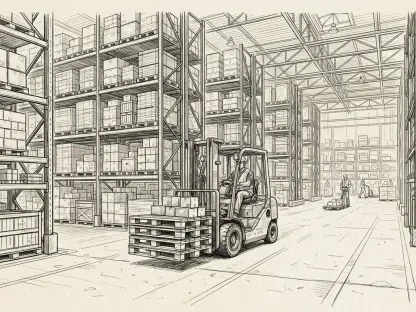
Modern logistics require a level of foresight that traditional inventory management systems simply cannot provide, leading the retailer to adopt predictive analytics for supply chain optimization. By processing billions of data points related to historical sales, seasonal trends, and localized weather patterns, the AI platform can forecast demand with remarkable accuracy, allowing the business to allocate resources more effectively. This precision minimizes the occurrence of stockouts on high-demand items while reducing the financial burden of overstocking products that are unlikely to sell. The system also optimizes the delivery routes for the grocery arm, Waitrose, ensuring that fresh produce reaches shelves in the most efficient manner possible to maintain quality. The roadmap for 2026 to 2027 includes further refining these intelligent algorithms to anticipate disruptions before they manifest, thereby safeguarding the company’s profitability and reputation.
The successful transition into a technology-led retail powerhouse was achieved by prioritizing long-term digital infrastructure over short-term gains, setting a definitive blueprint for the industry. Leaders in the sector must now recognize that AI is not a tertiary addition but the very foundation upon which modern commerce is built. The partnership demonstrated that investing in robust data governance and cloud partnerships was essential for unlocking the true potential of machine learning. Moving forward, organizations should focus on the ethical implementation of these technologies, ensuring that data privacy remains a top priority to maintain the trust of the consumer base. This proactive approach to digital adoption allowed the business to mitigate the risks of market volatility and shifting consumer habits. By fostering a culture of continuous innovation and technical literacy, the company secured its position in a competitive landscape, proving that traditional brands can thrive by embracing artificial intelligence.